Modern automotive engineering incorporates a variety of sophisticated systems designed to protect occupants during the violent moments of a collision. Airbags are one of the most critical components of this safety net, utilizing a controlled chemical reaction to inflate a cushion in milliseconds. This rapid response is what saves lives today.
While these devices are life-saving for adults, they operate with a level of force that can be dangerous for smaller individuals. The velocity at which a safety bag expands is intended to meet the momentum of a full grown person during a sudden stop. It is a powerful display of pure physical force.
Parents must understand the mechanics of these systems to make informed choices about where their children should be positioned while traveling. It is essential to know how old to sit in front seat Florida to maintain total safety and compliance with laws. Having these facts ready ensures success today.
Identifying The Biological Risks For Children
The physical stature of a child differs significantly from that of an adult, particularly regarding skeletal development and internal organ protection. Children have smaller frames and their bones are still in the process of hardening, making them more vulnerable to blunt force impacts today. This biological reality requires extra care and attention.
When an airbag deploys, it strikes the occupant at high speed to provide a soft landing. However, for a child, the bag often makes contact with the head or neck area rather than the chest. This positioning creates a high risk of traumatic and serious brain injury for the survivor.
Understanding these biological vulnerabilities is a vital part of risk management for families navigating the local roads. Protecting your loved ones requires a commitment to following the best practices for seating. Accuracy ensures that the actual truth of the matter is found today for everyone.
State Statutes On Passenger Positioning
Lawmakers have implemented specific mandates designed to standardize the safety of minors while they are being transported in motorized vehicles. These regulations are based on extensive research into the physics of collisions and the effectiveness of various restraint systems used across the entire and very busy nation. This provides a clear baseline.
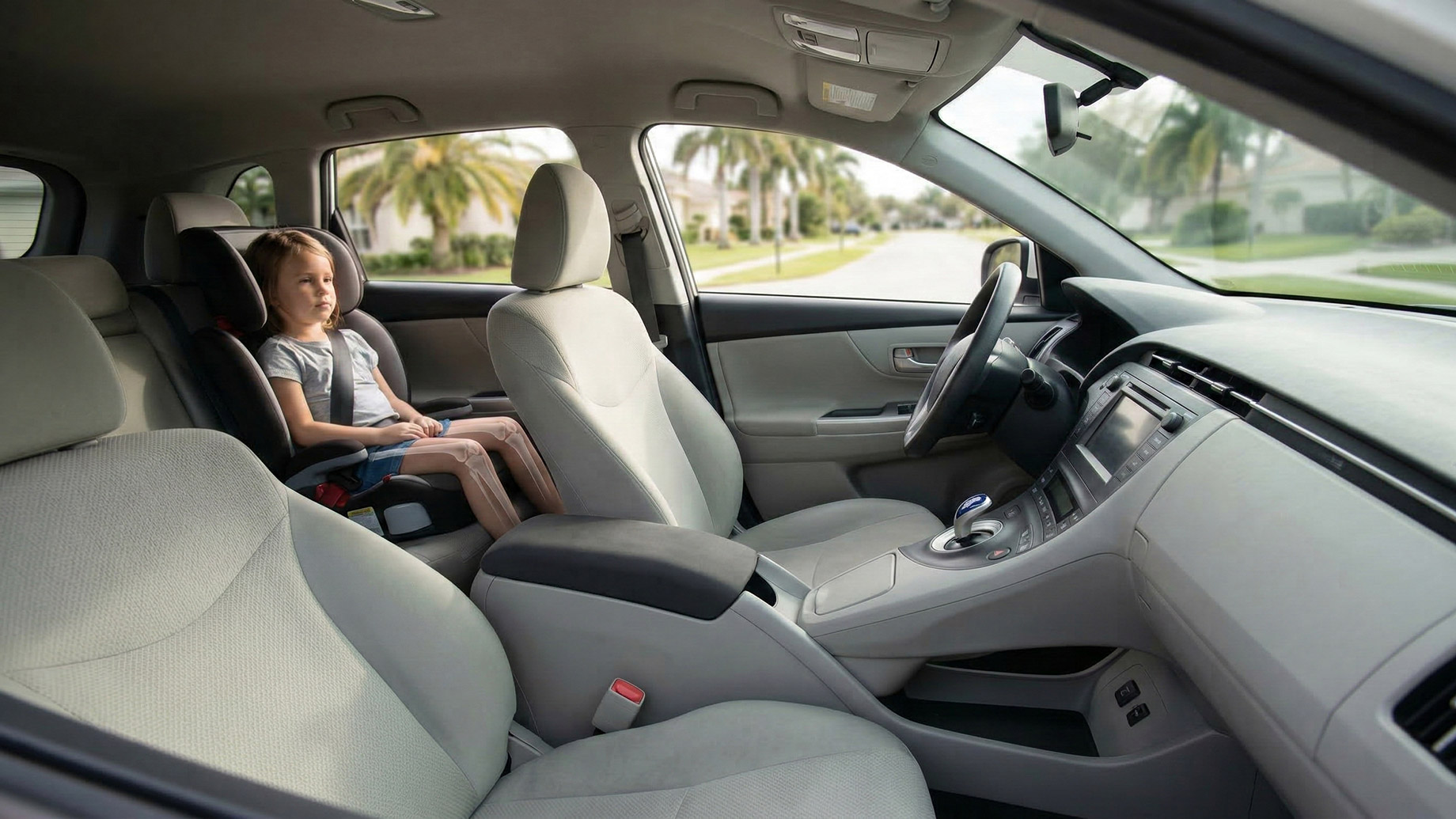
Florida statutes require that all passengers under the age of thirteen remain in the rear seat of a vehicle whenever it is possible. This placement ensures that the child is as far away as possible from the primary impact zones and the active and dangerous safety bags. It works well.
Adhering to these mandatory age and weight requirements is an essential part of being a responsible driver in our city today. By following the law, you are providing your child with the highest level of protection available. Discipline is the foundation of a very safe future.
The Danger Of Rear Facing Seats In The Front
Placing a rear facing infant carrier in the front seat of a vehicle equipped with an active passenger side airbag is one of the most dangerous choices a parent can make. The back of the child’s seat sits directly in the path of the expanding bag today. It creates trauma.
When a collision occurs, the force of the deployment strikes the infant carrier with enough energy to cause catastrophic trauma to the child’s head and neck. This scenario often results in permanent disability or death within a fraction of a second. It is a very heavy and serious risk.
Modern vehicles often include a manual shutoff switch for the passenger airbag, but relying on this feature is not recommended by safety experts. The safest place for any infant is always in the back seat away from the dash. Consistency is the key to your peace.
Transitioning Children To The Forward Cabin
As children grow, they reach specific milestones that signal their readiness to move to the forward cabin of the family vehicle today. Physical height and weight are the primary indicators used by safety professionals to determine if a child can safely withstand the forces of a deployment. It matters now.
A child should be tall enough for the seat belt to fit properly across their chest and lap without the use of a booster. They must also have the skeletal maturity to handle the impact of a safety bag if it fires during a sudden and violent crash. This transition is vital.
Reaching these goals is a significant transition that should be handled with care and professional guidance. Taking the time to verify the safety of the new position ensures that your child remains protected during every trip. Support is vital for you and your family today.
Prioritizing Child Safety Over Convenience
It is often tempting to allow a child to sit in the front seat for the sake of convenience or as a reward for good behavior. However, the risks associated with an expanding safety bag far outweigh the temporary benefits of a much easier and faster commute through the city streets. Safety is first.
By prioritizing the long term well being of your loved ones, you are demonstrating a deep commitment to the facts of road safety. Educating yourself about the mechanics of your vehicle is the first step toward preventing a life altering trauma for your growing and happy family. It helps.
