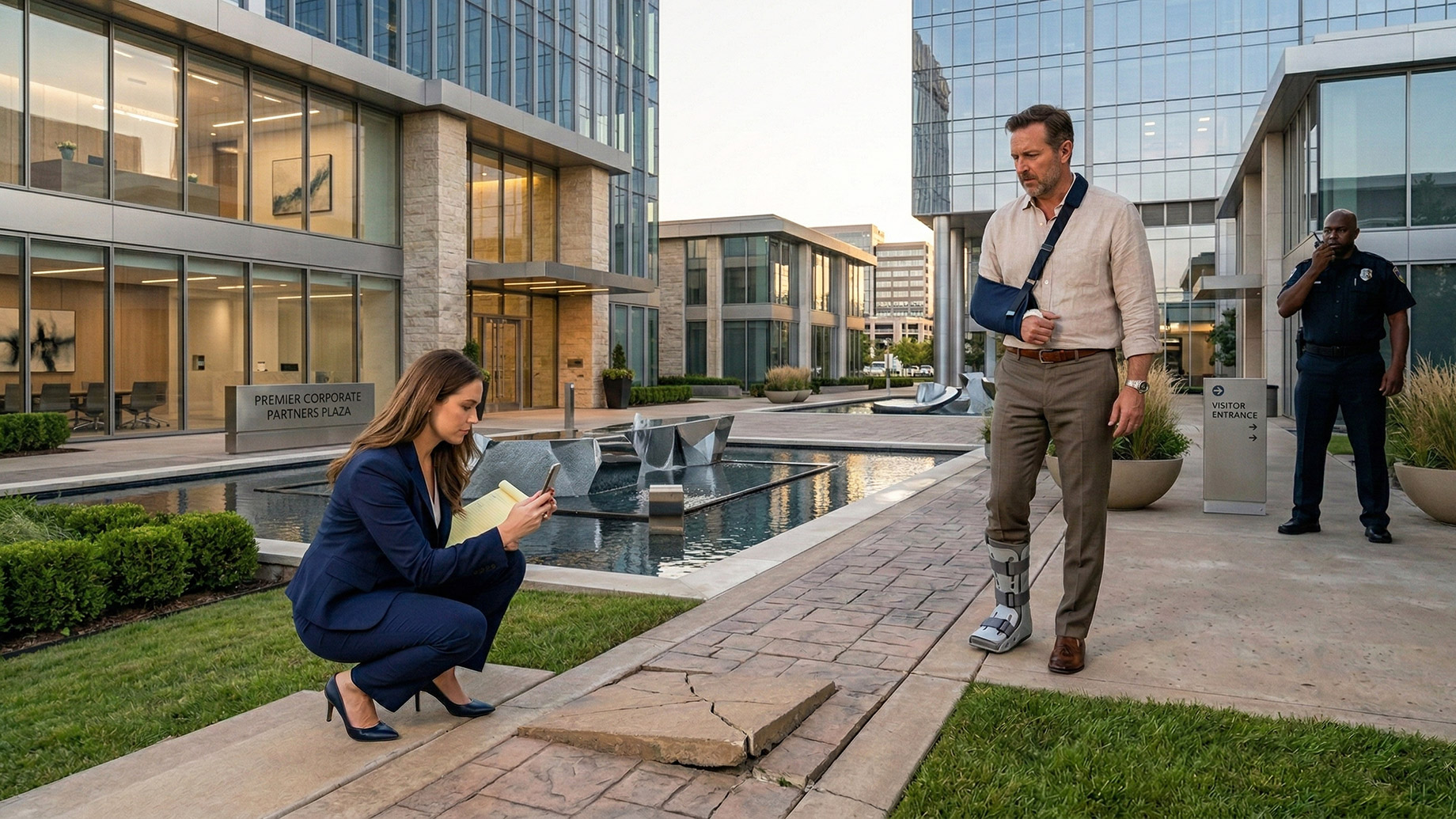
1. The “normal life” illusion after an injury
Injury cases start with a weird mismatch. Life looks normal from the outside, but inside it’s pain, appointments, missed work, and that constant mental background noise: “What happens if this doesn’t get better?”
People often wait because they don’t want to be “that person.” But here’s the reality: injury claims exist because regular people shouldn’t have to absorb the cost of someone else’s mistake.
2. What personal injury law is really about
At the center, most injury claims boil down to negligence. Someone had a duty to act reasonably, didn’t, and that caused harm.
Common examples around Tulsa, Oklahoma:
- Car and truck collisions on highways and surface streets
- Slip and falls in stores or poorly maintained properties
- Dog bites and animal incidents
- Dangerous products
- Workplace-related injuries that fall outside workers’ comp scenarios
The challenge isn’t usually understanding the event. The challenge is proving it in a way the insurance world respects.
That’s where a personal injury attorney Tulsa locals trust can be useful early, because the strategy is often set in the first few weeks, whether anyone realizes it or not.
3. The “four buckets” that shape almost every claim
A practical way to think about a case is four buckets:
1) Liability: Who’s responsible and why?
2) Medical: What happened to the body and how is it supported?
3) Damages: What did it cost financially and personally?
4) Timeline: Deadlines and pacing, because time changes leverage.
If one bucket leaks, the whole claim looks smaller than it should.
4. The medical piece people misunderstand
A claim is not built on pain alone. It’s built on diagnosis, treatment, and consistency.
That doesn’t mean people should “doctor shop” or inflate anything. It means: if something hurts, treat it. If symptoms change, report them. If rehab is recommended, follow it if possible.
Gaps in care create doubt, even if the reason for the gap was money or stress. And yes, that’s unfair. But it’s predictable.
5. Tulsa-specific reality: trucks, commutes, and fast-moving roads
Tulsa traffic patterns can turn a small mistake into a high-impact collision. Trucks and commercial vehicles add another layer: company policies, driver logs, maintenance records, and insurance structures that are more complex than typical passenger car claims.
That complexity can also mean more opportunity to uncover what really happened, but only if the case is handled with structure.
6. What to say and not say after an injury
A few guidelines that save headaches:
- Don’t guess about fault at the scene. Stick to facts.
- Don’t minimize symptoms in writing. “It’s fine” becomes “it was fine.”
- Don’t post workout photos if claiming a back injury. Obvious, but it happens.
- Don’t accept a settlement while still actively treating unless the future is clearly planned.
If a bigger-picture read helps, this breakdown on how to find a personal injury lawyer that takes a case seriously gives a useful way to evaluate experience, communication, and fit without getting lost in hype.
7. The invisible damages that deserve to be taken seriously
Sometimes the largest losses aren’t the hospital bills. They’re the life changes.
- Losing the ability to lift a child without pain
- Missing a promotion because physical limits changed
- Anxiety while driving after a wreck
- Constant headaches that wreck sleep
- Relationship strain because everything feels harder
Those effects are real. They also need to be described clearly, consistently, and honestly.
8. Settlement pressure and why it feels so gross
Insurance companies often push fast because speed favors them. The injured person is the one dealing with bills and uncertainty. That’s leverage.
A steady approach flips the leverage back: gather evidence, build medical support, calculate full damages, then negotiate.
9. The takeaway nobody wants but everyone needs
Personal injury claims are rarely “fun.” They’re not supposed to be. They’re supposed to restore balance when someone else’s choices knocked life sideways.
And around Tulsa, where people tend to power through, the best move is often the simplest: protect the facts early, get the body cared for, and don’t let the insurer set the pace.
