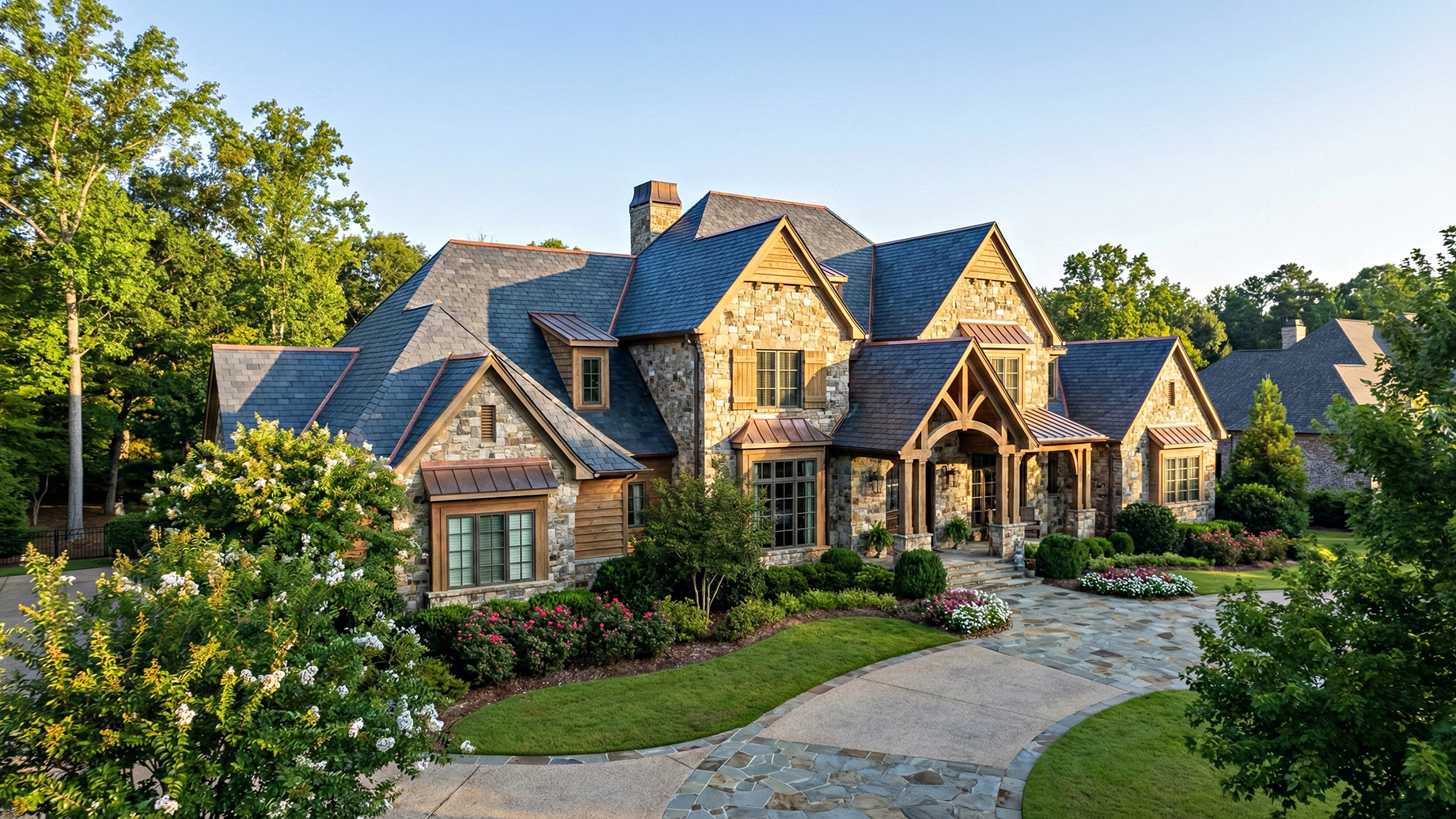
You notice it on a bright morning, even if you are not looking for it. A roofline that sits clean, with tidy edges, makes the whole home look cared for.
In North Alabama, that first impression also has to hold up through heavy rain, heat, and the occasional hail day. That is why I like starting with the roof, and why people often reference Complete Roofing, Huntsville as a local example of what a thorough roof check can include.
A roof does more than keep water out, and it shows it. The silhouette it creates sets the tone before anyone reaches the front door.
Even small details read from the street. A bent gutter corner, a lifted shingle edge, or a flashing line that looks wavy can pull attention fast.
The Roofline Details That Read “Well Kept” From The Street
If you stand near the curb and look up, your eye lands on edges first. The ridge line, the gables, and the eaves tell you whether things are straight and steady.
That is also where problems like to start, because wind and water work the corners. A shingle tab that lifts a little can turn into a bigger opening after one rough storm.
Your trim and fascia take a hit when water does not exit cleanly. So if you see peeling paint at the eaves, it is often a drainage story, not a paint story.
Storm guidance tends to focus on structure for a reason. FEMA’s overview of wind related home protection basics is a solid reference point for why attachments and edge details matter.
Chimneys deserve their own quick look, too. Loose counter flashing or cracked sealant around the base can let water slip in, and the stain may show up far from the source.
Valleys deserve attention after rain, too. A clear valley line with no debris buildup usually means water is moving the way it should.
Materials And Color Choices That Feel Calm And High End
Luxury exteriors tend to look simple, and the roof plays a big part in that. Texture and color can feel refined without trying too hard.
Architectural shingles can add depth through shadow lines, and they often suit traditional homes. On simpler roof forms, metal panels can read crisp and modern.
Tile and slate carry a distinct presence that pairs well with certain architectural styles. They also add weight and cost, so the structure and budget have to match.
Color is where people get surprised. A roof that is slightly warmer or cooler than the siding can look intentional, while a near match can flatten the whole facade.
It also helps to think about your visible metals. Gutters, downspouts, vent caps, and chimney covers should feel like they belong to the same family of finishes.
If you like comparing roof shapes and visual weight, it is useful to browse examples of roof designs that add subtle luxury to a home’s profile. The big takeaway is that the roof form and the exterior lines should agree, rather than compete.
Ventilation And Moisture Control That Protects The Look
A roof can look great and still wear out early if heat and moisture get trapped. Curb appeal and building performance are more connected than most people realize, even if the link feels invisible.
In summer, a hot attic can bake shingles from below, and it can stress decking over time. In cooler months, moisture that cannot escape can lead to staining, warped wood, or musty insulation.
You can sometimes spot clues from the exterior. Rusty nail pops, wavy sheathing lines, and paint that blisters near the soffits can hint at moisture cycling.
Inside, it is often more obvious. If the attic smells damp after rain, or if you see dark spotting on the underside of decking, something is off.
Gutters also sit in this same “quiet protection” category. When they overflow, they can stain siding, wash mulch into walkways, and leave dirt tracks on light brick.
A simple way to keep the check grounded is to think in three paths: air flow, water flow, and heat. When those behave, the roof tends to stay cleaner looking longer.
Drainage And Exterior Pairings That Make The Whole Facade Click
There is a reason good exteriors look calm. The lines are consistent, and the transitions are seamless, so your eye does not snag on one odd detail.
Water control is part of that visual calm. Downspouts that discharge away from the foundation keep the base of the home cleaner, and they also protect landscaping.
If you have ever seen a fresh exterior with muddy splash marks near the bottom courses, it usually traces back to runoff. Fixing the path often improves the look more than repainting.
This is also where other exterior updates can support the roof work. A few modern touches can complement a polished roofline, like updated lighting, simplified trim color, or a refreshed entry.
For ideas that pair well with roof and gutter improvements, the visual examples in modern exterior design ideas can help you see how small changes add up on the front elevation.
Here’s a quick “walkaround” list I keep coming back to:
- Straight ridge and clean eave lines
- Flashing that lies flat at walls and chimneys
- Gutters that slope correctly with no corner sag
- Downspouts that carry water away from the foundation
- Vent caps and roof fixtures that look tight and uncracked
A Simple Roof Check That Matches How Homes Get Judged
Most people scan a home in the same order. They read the roofline, then the entry, and then the trim and corners.
The roof becomes the smartest place to focus when curb appeal matters to you. It sits high, and it covers a lot of visual area, so mistakes show easily.
The nice part is that you do not need a dramatic plan. You just need a steady check that catches small issues before they turn into interior repairs.
For attic ventilation, many builders reference the commonly used 1:300 guideline, and Building Science Corporation explains the logic behind it in this short overview of attic ventilation ratios. That sort of baseline helps you ask better questions during a roof evaluation.
If you keep the roofline clean, control water, and
