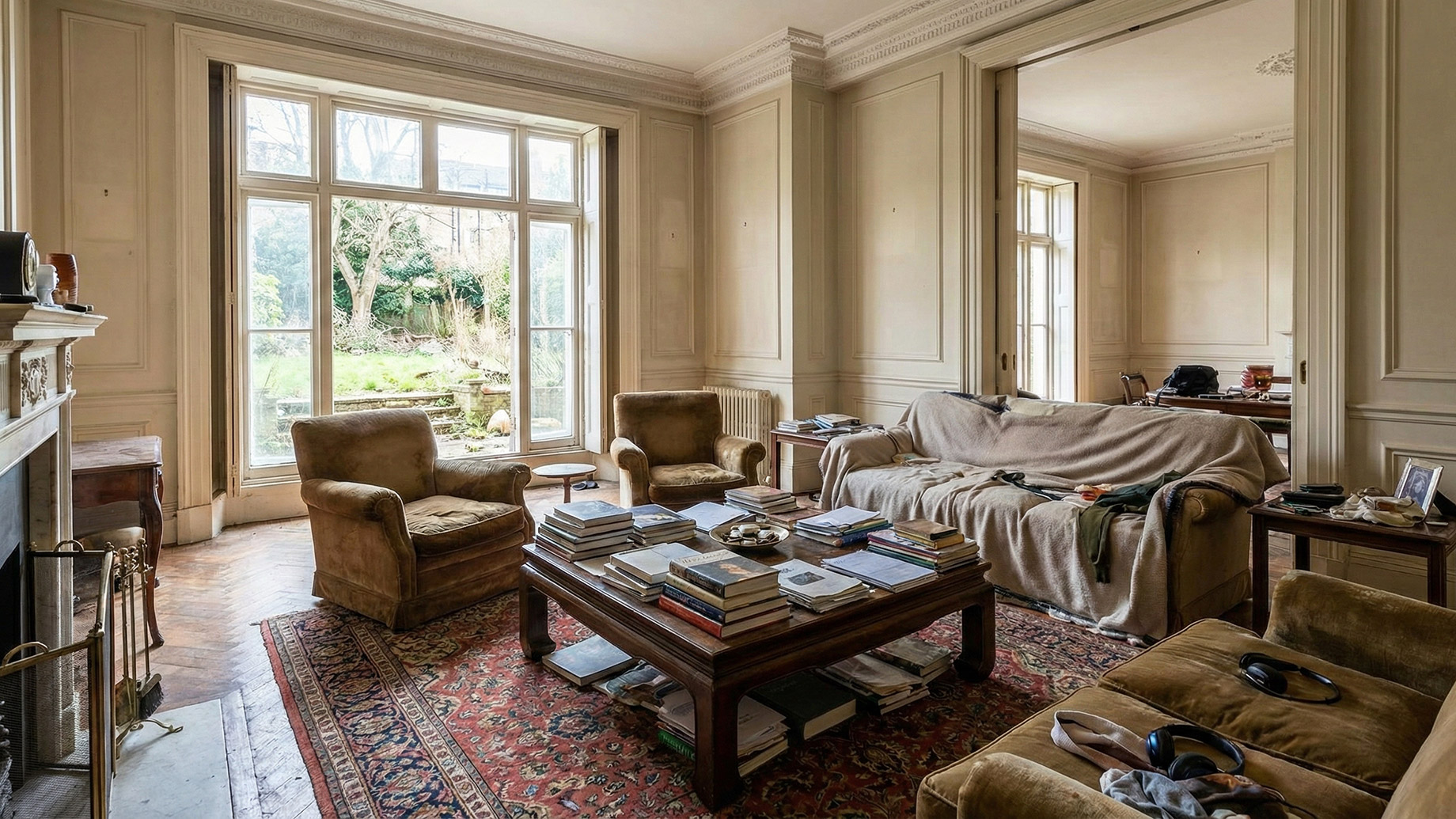
Selling a home that feels outdated, worn, or visibly damaged can make many owners nervous. Some worry buyers will judge the condition. Others assume no one will want it. The stress increases when time is tight or when money for repairs is limited. Even when a property looks rough, owners still have workable paths forward. With the right plan, a home can attract attention, receive fair offers, and move toward a smooth closing. This guide explains how to do that without pressure or complicated steps.
Possible Reasons a Home Seems Unready for Buyers
Many homeowners hesitate to schedule showings when they feel the property isn’t presentable. The concern is common. Some houses have aging interiors, clutter, or visible maintenance issues. Some have design choices from another era. Others need repairs that owners can’t complete right now.
Despite those challenges, there are ways to list and move ahead. One of the simplest methods is using services like Easy Home Sale, which help sellers transition without worrying about appearances or major upgrades. Not every solution fits every seller, so learning all available options helps reduce stress and improve confidence.
Small Tweaks That Create Better First Impressions
A few low-effort changes can soften how buyers view a property. These tweaks don’t hide real issues. They simply help the home feel more approachable. Start by clearing pathways. Buyers notice floor space quickly. Open movement areas help them picture their furniture. Another helpful step is removing excess items from countertops. Clear surfaces create calm energy.
Lighting also changes the atmosphere. A dim hallway or living room leaves a heavy mood. Brighter bulbs create warmth that helps buyers focus on layout rather than flaws. A basic cleaning session adds extra support. Even if the home needs larger repairs, a tidy space feels more cared for.
When Extensive Repairs Are Not Possible
Some homes need more than quick fixes. Roof problems, plumbing issues, broken windows, or structural concerns can intimidate buyers. Completing those repairs might not be an option for financial or personal reasons. In such cases, sellers still have choices. One approach is to be direct in the listing. By clearly explaining the home’s condition, buyers who are ready for a project can prepare realistic expectations.
Many shoppers actively look for properties they can renovate to suit their style. Another approach is offering a repair credit. This lets buyers handle improvements after closing. While it affects final pricing, it reduces frustration from both sides. Some sellers also choose an as-is sale, which avoids repair requests altogether.
How Honest Pricing Helps Challenging Homes Sell Faster
A home that looks neglected may sit longer on the market when priced too high. Buyers compare condition, location, and features side by side. Transparent pricing catches attention from serious shoppers. Real estate agents often recommend reviewing recent sales in the neighborhood.
Those comparisons help determine a number that feels fair. If the home has several large projects, factoring those costs into the price removes confusion for buyers. A realistic price also reduces negotiation battles. Buyers who feel the listing is an honest approach with more trust. That leads to smoother communication and quicker decisions.
Showing a Less-Than-Perfect Home With Confidence
Feeling embarrassed is natural. Still, buyers view many homes each week. Many understand that not every house will be staged or flawless. Instead of focusing on imperfections, highlight strengths. If the yard is large, point that out. If the rooms get bright sunlight, open every curtain. If the neighborhood is peaceful, mention it. Positive features help balance visible issues and remind buyers of long-term potential.
Consider scheduling showings during daylight. Natural light softens worn surfaces and makes rooms feel larger. Also, airing out the home before visitors arrive creates a cleaner atmosphere. These small steps encourage interest even when cosmetic upgrades are missing.
Why Investors Often Seek Homes in Rough Condition
Not all buyers want a move-in-ready property. Many investors search for homes needing major work. Their budget usually includes renovation plans. They expect flaws and evaluate potential rather than appearance. This group offers advantages to sellers facing difficult circumstances.
Investors tend to act quickly, understand repair costs, and skip requests for cosmetic improvements. They also handle their own inspections and timelines more efficiently. Working with investors can shorten the selling process. While the price may differ from that of a traditional buyer, the ease of the transaction provides relief for many homeowners.
Preparing Mentally for the Selling Experience
Letting strangers walk through a home that feels messy or outdated can trigger self-conscious thoughts. It helps to remember that a property’s condition reflects time, usage, and life events. It does not reflect personal worth. Sellers can reduce anxiety by rehearsing responses to potential questions.
Practicing simple statements about needed repairs removes pressure during conversations. Another helpful step is reminding yourself of the goal: moving forward into a new chapter. Choosing supportive professionals also helps. A trusted agent, service, or consultant offers guidance through pricing, negotiations, and timelines. With structure in place, the emotional burden becomes lighter.
Moving Toward a Successful Closing
Homes that appear unattractive on the surface still sell every day. Buyers look for potential, investment value, or a location that fits their plans. Sellers who stay honest, flexible, and calm navigate the process with greater ease.
If repairs are possible, small improvements help. If repairs are not possible, clarity and honest pricing guide the sale. Confidence grows when sellers focus on progress instead of perfection. A home does not need a pristine design to attract the right buyer. Every property tells a story. With the right approach, your next owner will recognize its value, even when the house feels too difficult to show at first.
