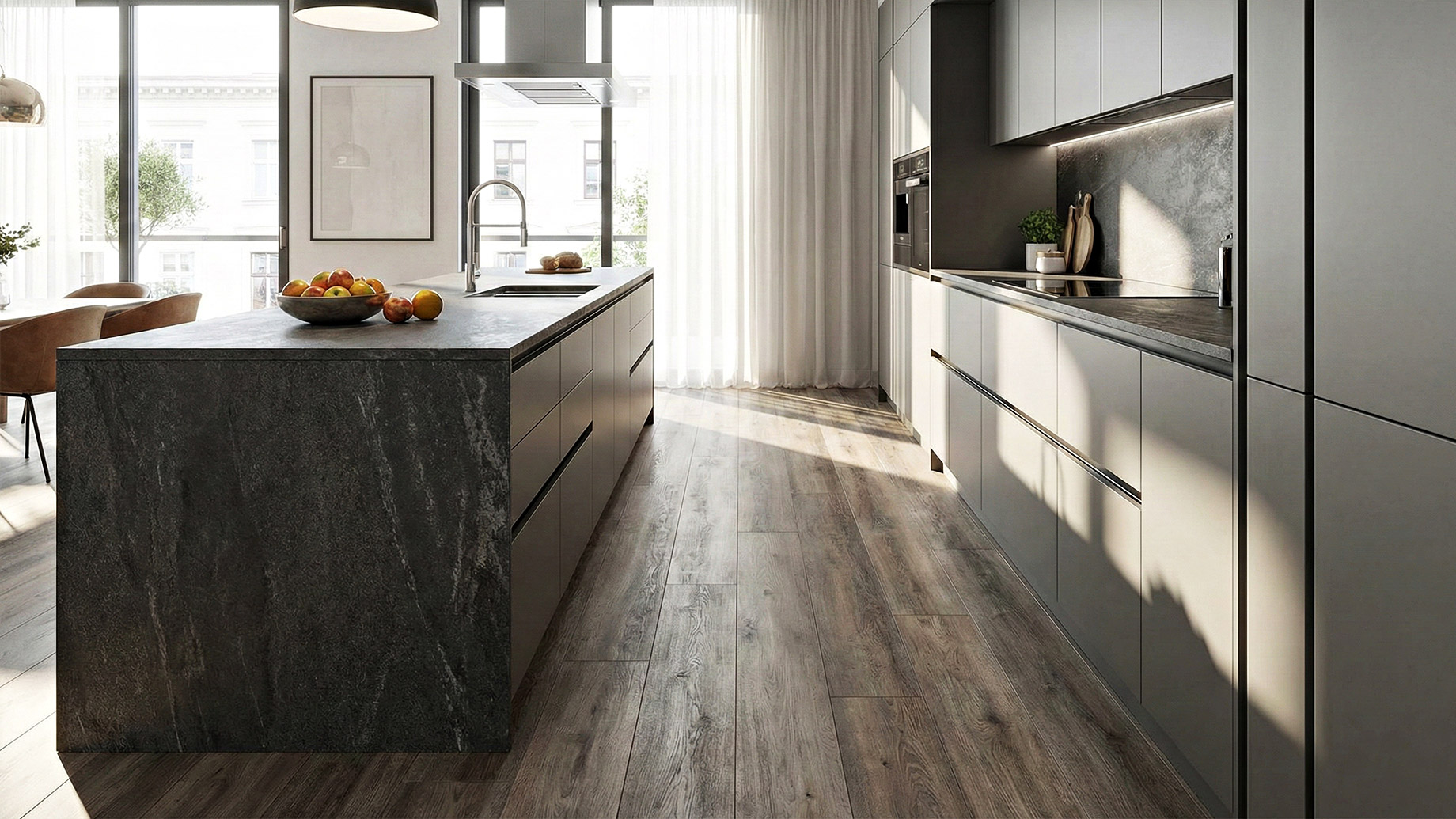
What makes one laminate surface stand above the rest in demanding spaces? High-profile laminate surfaces have become a trusted option in homes and businesses that value strength and style. These surfaces balance modern expectations with time-tested construction methods.
Buyers often want materials that last without losing visual charm. Clear standards help separate quality products from passing trends. Smart evaluation saves money and effort over time.
This guide explains exactly how to judge laminate surfaces with confidence and clarity. Keep on reading!
Durability as a Long-Term Measure
Any high-profile laminate surface that you want to use for a long time should be able to last. A strong laminate doesn’t get dents, chips, or wear and tear from daily use or foot traffic. This strength makes sure that the surface keeps working well and doesn’t break down too soon.
In traditional testing methods, controlled conditions are often used to measure impact resistance and load tolerance. These tests are based on what you’d find in kitchens, offices, and other commercial spaces. Surfaces that meet these requirements usually keep their shape for a long time.
Durability also helps with sustainability by cutting down on how often things need to be replaced. Surfaces that last a long time help save resources and cut down on maintenance costs over time.
Understanding Wear-Layer Strength
The wear layer keeps the decorative layer below the laminate surface safe from the wear and tear of everyday life. A thicker wear layer that sticks together well protects against scratches, scuffs, and wear that can be seen. This protection is very important in places where people are always moving around.
Wear layers of good quality are made to handle repeated friction without getting thinner. They keep the surface from wearing down and fading over time. Strong wear layers keep the look of the surface over time.
Ratings in the industry often make it clear what level of performance each wear layer is at. Higher ratings mean that the material is more resistant to wear and tear on the surface.
Resistance to Moisture and Spills
Laminate surfaces that are used in active areas need to be able to resist moisture. Surfaces are often wet because of spills, humidity, and regular cleaning. When resistance is low, swelling or edge damage can happen.
A lot of high-profile laminates have dense inner cores and edges that are sealed. These features help effectively stop water from getting in. Kitchens and entryways will last longer if they are sealed properly.
Standardized tests mimic being in water for long periods of time. Items that meet these standards have a stable finish and structure.
Ease of Installation Matters
The quality of installation has a direct effect on how well and how the laminate surface looks and works. When installation is easy, mistakes that affect alignment or durability are less likely to happen. Better results come from systems that are made to fit perfectly.
There are click-lock or guided placement systems on a lot of high-profile laminates. These systems follow tried-and-true methods of installation that have been improved over time. They support even spacing and strong attachment.
Less complicated installations also cut down on project time and labor costs. Faster and cleaner setups cause less trouble in places that are already occupied.
Stability Under Temperature Changes
Temperature changes throughout the year can put stress on laminate surfaces. Without careful planning, expansion and contraction can leave gaps or cause things to move. To account for these changes, stable laminates have been created.
The best cores find a balance between being dense and being able to bend without breaking. This balance makes it possible for surfaces to change without breaking. Stability protects both the way something looks and the way it’s built.
Tests that are done in controlled temperature cycles confirm the levels of performance. Products that are considered good don’t move or change shape very much.
Aesthetic Consistency Over Time
The choice of laminate surfaces is heavily influenced by how nice they look. High-profile laminates try to keep the color and texture of their surfaces the same. This consistency backs up design principles that will always be useful.
More advanced printing and sealing methods protect decorative layers well. These methods slow down the fading that comes from sunlight or normal wear and tear. Even after being used for many years, the surface still looks nice.
Also, the planks or panels all must look the same. If you match the tones and patterns, you can get a finished look that goes together.
Surface Texture and Feel
The texture of the surface changes both how it looks and how it can be used. The look of natural flooring materials can be convincingly copied by textured laminates. This way of doing things takes into account traditional design tastes.
Good textures make it easier to hold on to things, and they also hide wear marks. These help hide small scratches that happen from normal use. Not only does texture add depth to images, but it also has useful uses.
It’s important to use both visual and tactile inspections when doing an evaluation. If the texture is well-balanced, it looks real without being rough.
Maintenance and Cleaning Simplicity
Strong performance over the long term is supported by easy maintenance efforts. Surfaces made of laminate should be simple to clean without the need for specialized products or tools. The finish is effectively protected as a result of simple routines.
High-profile laminates are resistant to the accumulation of residue and stains. Because of this resistance, surfaces are kept clean, and they have an appealing appearance. Cleaning on a regular basis helps to maintain both functionality and appearance.
It is often sufficient to use traditional care methods for laminates of quality. The use of gentle cleaners and consistent wiping is typically sufficient.
Compatibility with Traditional Design Standards
Many buyers prefer materials that respect classic design principles. A lot of the time, high-profile laminates can perfectly copy the look of stone or wood. All of these styles are in line with well-known types of interior design.
Compatibility is very important to make sure that surfaces fit in with other parts of the building. Traditional layouts work best with patterns and colors that people already know. This harmony makes it possible to make design choices that will last.
Finding out if two renovations will work well together can help avoid bad matches. A surface needs to fit in with its surroundings instead of taking over.
Core Construction Quality
The core determines much of a laminate’s strength and stability. Dense, well-formed cores resist impact and moisture intrusion. Core quality separates premium products from weaker options.
Manufacturers often use high-density fiberboard or similar materials. These cores provide uniform support across the surface area. Consistent density prevents weak spots.
Inspection of core specifications reveals expected performance. Reliable cores support wear layers and finishes evenly. Core quality underpins overall durability.
Brand Reputation and Proven Performance
A brand’s history often shows how reliable a product has been over time. Companies that have been around for a while use materials and methods that have been used for a long time. In general, they can make sure that their products meet quality standards.
Reading reviews and reports of long-term use can help you see things more clearly. Surfaces that have a good reputation tend to work in the same way every time. People are more likely to buy from you if you have a history of success.
Choosing brands that people trust can lower the risk of buying something. In the manufacturing industry, tradition and experience guide changes for the better. Reputation is still the most useful factor in judging someone.
Balancing Cost and Value
Price isn’t the only thing that affects how good the surface is overall. Laminates with a high profile are a good mix of price and long-term value. When we talk about “true value,” we talk about both performance and lifespan.
Lower costs up front may hide higher costs in the future. In the end, repairs or replacements will cost more than the original investment. Value evaluation stops people from thinking about the short term.
When you carefully choose your laminates, you get consistent returns. The product’s performance, look, and durability make the price fair. Making decisions that are well-balanced can lead to long-term happiness.
Application Versatility
Because laminate surfaces can be designed in many different ways, they can be used for more things. When it comes to floors, walls, and work surfaces, high-profile laminates can be used. This gives people more options, which makes planning and coordinating easier.
Building trust means making sure that all applications work the same way. Designers look for materials that can be used in a variety of ways. Versatility shows that the engineering approach was well thought out.
The Lions Comfort Heights laminate is a good example of a residential flooring option because it is known for being reliable. The versatility of these products shows how they can help meet practical needs.
Key Features of High-Profile Laminate Surfaces
Longevity, structure, and appearance in everyday use must be checked on high-profile laminate surfaces. Regular tests find home and business goods that are reliable.
Top investments are protected by strong wear layers, resistance to water, and stable cores. Value grows over time with simple installation and upkeep.
Even though the surface has been used for years, it still looks good because it is consistent. Customers can pick surfaces that are both traditional and up-to-date by picking qualities that have been used before.
Did you like this guide? Great! Please browse our website for more!
