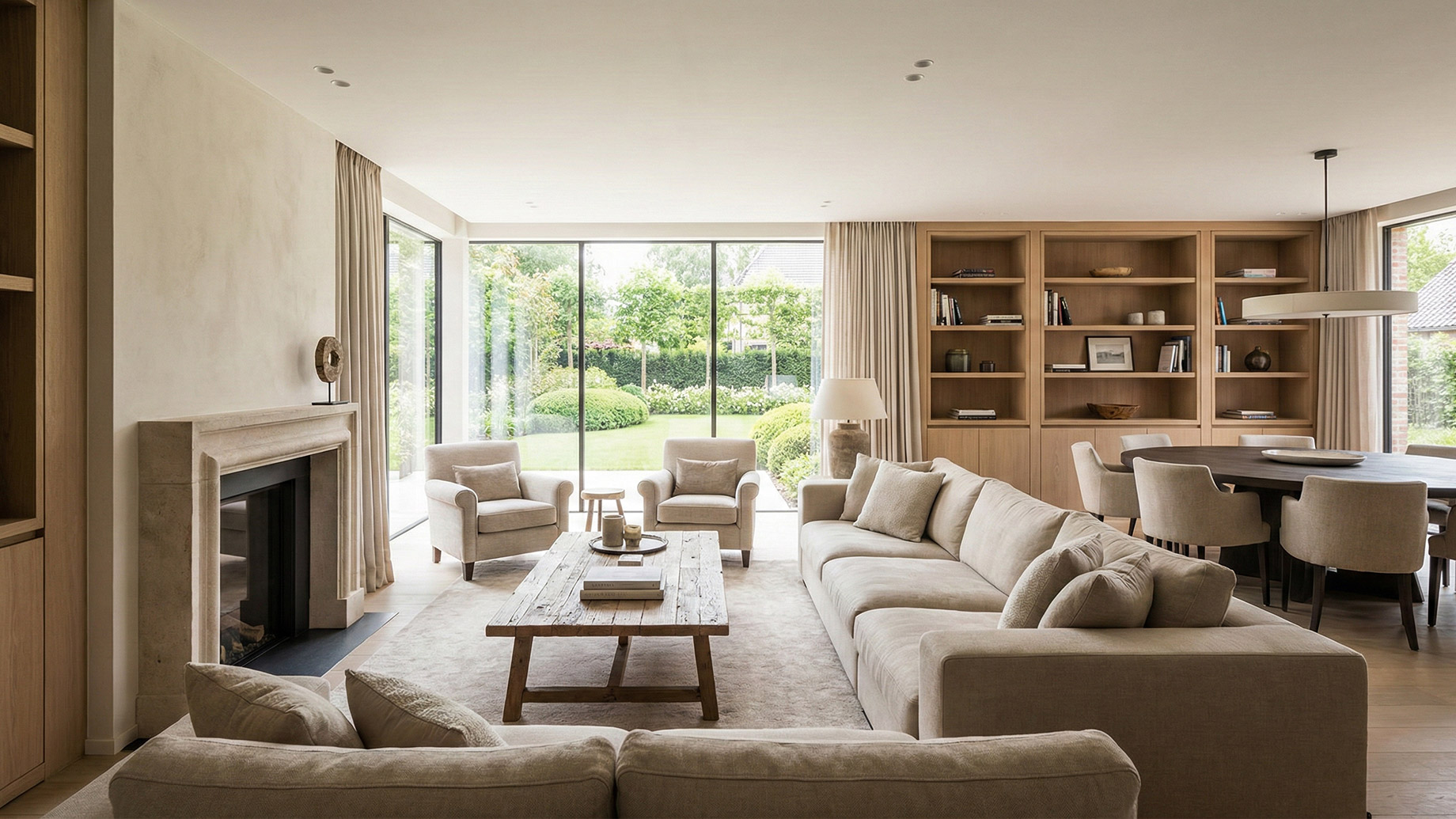
Thoughtful interior design focuses on how people actually live in their spaces. Instead of following trends blindly, designers create layouts that support comfort, movement, and usability. Every design choice is made with intention, ensuring rooms feel balanced and easy to use. This approach transforms ordinary spaces into environments that support daily life.
Comfort and practicality go hand in hand in well-designed interiors. Thoughtful design considers lighting, storage, furniture placement, and color harmony. These elements work together to reduce stress and improve organization. As a result, living spaces feel welcoming, functional, and enjoyable for both residents and guests.
Understanding the Role of Interior Design in Everyday Life
Interior design plays a deeper role in everyday life than many people realize. It directly affects how comfortable, organized, and functional a space feels. When a home or workspace is designed thoughtfully, it supports daily routines instead of creating obstacles. Interior designers focus on how people interact with their environment, ensuring rooms are easy to move through and pleasant to spend time in. This careful planning improves both physical comfort and mental well-being.
Another important aspect of interior design is problem-solving. Many spaces have limitations such as small rooms, awkward layouts, or limited natural light. Interior designers analyze these challenges and develop creative solutions that improve usability. Instead of forcing furniture or décor into a space, they adapt the design to suit its structure. This approach results in interiors that feel natural and balanced rather than cluttered or uncomfortable.
Balancing Functionality and Visual Appeal
A successful interior design balances functionality and visual appeal. While aesthetics are important, design should never compromise comfort or usability. Designers ensure that furniture placement allows easy movement and that rooms support their intended purpose. For example, living areas should feel inviting, while workspaces should encourage focus and productivity.
Visual appeal is enhanced through color coordination, textures, and lighting. Designers use these elements to create harmony without overwhelming the space. This balance ensures that interiors look attractive while remaining practical for daily use.
How Interior Design Supports Well-Being
Interior design has a strong impact on emotional and mental well-being. Proper lighting improves mood and reduces eye strain, while organized layouts create a sense of calm. Designers use natural light, soothing colors, and comfortable furniture to create environments that promote relaxation.
A well-designed space also reduces stress by improving organization. When storage is planned correctly, clutter is minimized. This creates a cleaner, more peaceful environment that supports overall well-being.
Popular Interior Design Styles Used in Modern Homes
Modern homes often reflect a mix of design styles tailored to personal preferences. Interior designers help homeowners select styles that suit their lifestyle and space. Popular styles focus on simplicity, comfort, and functionality. These designs avoid unnecessary complexity and emphasize clean lines and balanced layouts.
Design styles also influence how a space feels. Some styles create a calm and minimal environment, while others add warmth and character. Designers ensure the chosen style complements the home’s structure and the homeowner’s needs.
Modern and Minimalist Design Approaches
Modern and minimalist designs focus on simplicity and efficiency. These styles use clean lines, neutral colors, and uncluttered spaces. Furniture is selected carefully to serve both aesthetic and functional purposes.
Minimalist interiors reduce visual noise, making spaces feel open and organized. Designers ensure that even simple designs remain comfortable and inviting through thoughtful material and lighting choices.
Traditional and Transitional Design Styles
Traditional design styles emphasize warmth and elegance. They often include detailed furniture, rich colors, and classic patterns. These designs create a timeless and welcoming atmosphere.
Transitional styles blend traditional and modern elements. Designers use this approach to create balanced interiors that feel both classic and current. This flexibility makes transitional design popular among homeowners.
How Interior Designers Personalize Each Project
Personalization is a key element of successful interior design. Designers begin by understanding the client’s lifestyle, preferences, and daily habits. This information guides every design decision, ensuring the space reflects the client’s personality and needs. Personalization helps create interiors that feel unique rather than generic.
Designers also consider future needs when personalizing spaces. They plan layouts that can adapt to changes such as growing families or work-from-home requirements. This forward-thinking approach adds long-term value to the design.
Assessing Lifestyle and Space Requirements
Lifestyle assessment helps designers understand how a space will be used. They ask questions about routines, storage needs, and comfort preferences. This ensures the design supports real-life use.
Space requirements are evaluated carefully. Designers consider room size, layout, and existing features before creating plans. This prevents design limitations later.
Custom Design Elements and Solutions
Custom elements add character and functionality to interiors. Designers may recommend custom furniture, storage solutions, or unique design features. These elements help maximize space and meet specific needs.
Custom solutions also enhance visual appeal. They ensure the design feels cohesive and intentional rather than pieced together.
Budget Planning Tips from Interior Design Professionals
Budget planning is essential for successful interior design projects. Designers help clients allocate funds wisely by prioritizing key areas. This prevents overspending and ensures resources are used effectively.
Professional guidance helps avoid unnecessary purchases. Designers recommend materials and furnishings that provide long-term value rather than short-term trends.
Spending Wisely on High-Impact Areas
High-impact areas such as living rooms and kitchens deserve focused investment. Designers identify which elements make the biggest difference visually and functionally.
By focusing on these areas, homeowners achieve noticeable improvements without exceeding budget limits.
Avoiding Costly Design Mistakes
Design mistakes can be expensive to fix. Designers help avoid errors such as incorrect measurements or poor material choices. Their experience reduces risks and delays.
This careful planning saves money and ensures smoother project execution.
Why Professional Interior Design Delivers Lasting Results
Professional interior design creates spaces that remain functional and attractive over time. Thoughtful planning reduces the need for frequent updates and repairs. Good design adapts to changing needs while maintaining its appeal.
Working with a Sacramento interior designer ensures expert guidance and quality outcomes. Professional design creates comfortable spaces that support everyday living and long-term satisfaction.
