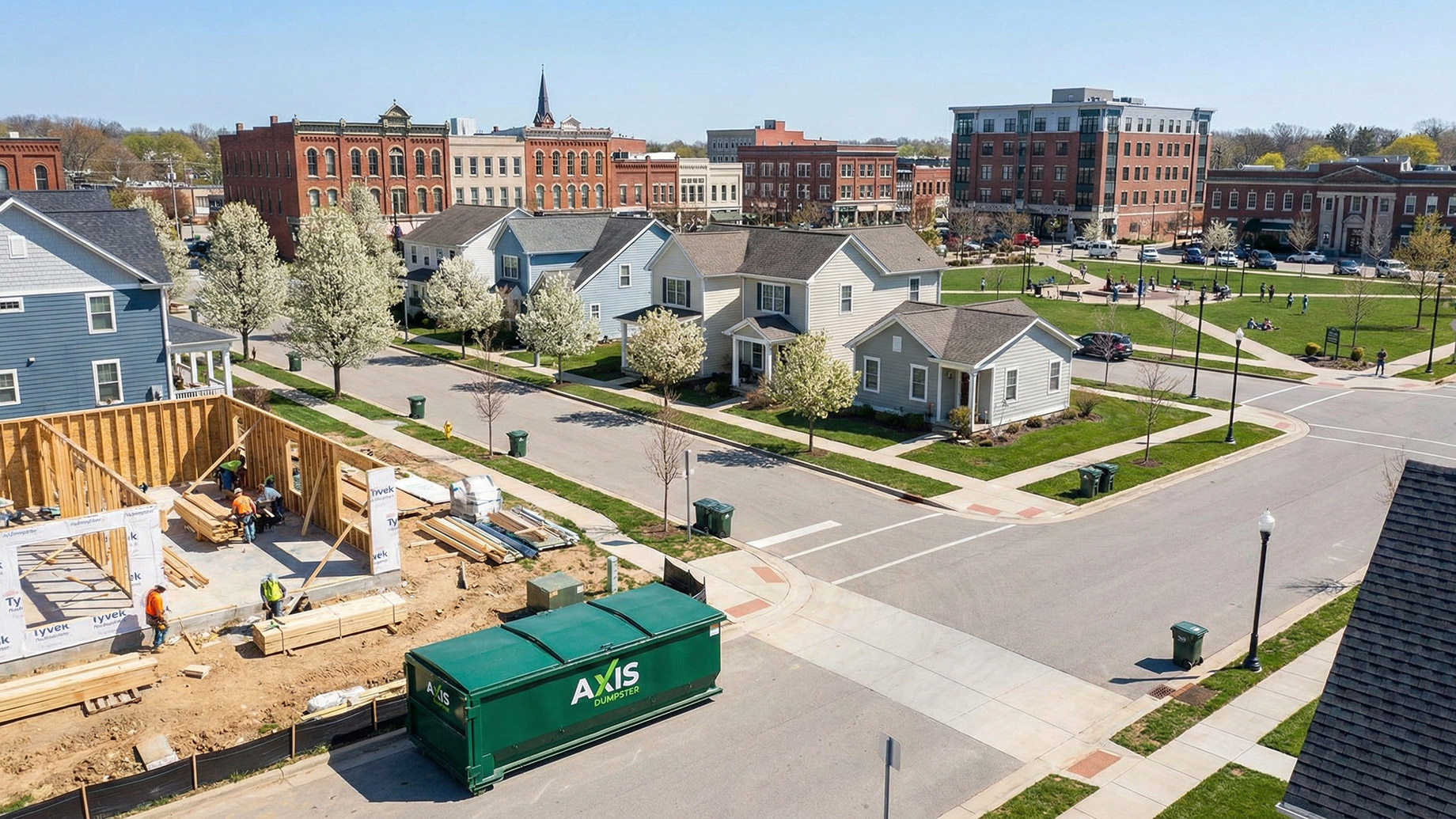
Effective waste planning plays a quiet but essential role in how communities function, grow, and stay livable. From home projects to commercial development, the way waste is managed affects safety, organization, and overall quality of life. When disposal systems are planned intentionally, they support smoother daily routines and long-term community stability.
As regions expand and development increases, waste generation grows alongside it. Missouri continues to experience a mix of residential growth, renovation activity, and infrastructure improvement that places ongoing demands on waste organization. Axis Dumpsters approaches waste planning as a foundational element of responsible growth rather than a reactive task. Thoughtful planning helps ensure that communities remain clean, efficient, and prepared for change.
Understanding how organized waste systems contribute to cleaner environments helps property owners, builders, and planners make better decisions. When waste handling is addressed early and consistently, it supports safer neighborhoods, clearer workflows, and more predictable outcomes.
The Role of Waste Planning in Community Organization
Communities generate waste every day through normal living, construction, and business activity. Without clear systems in place, waste quickly becomes disruptive.
Planned waste handling establishes structure. Designated disposal methods prevent clutter and keep shared spaces usable. Organization at the planning stage reduces confusion and improves coordination across different projects.
Structure supports long-term cleanliness.
Supporting Safe and Accessible Shared Spaces
Public and private spaces rely on cleanliness to remain safe. Accumulated debris creates tripping hazards and restricts access.
Organized waste planning keeps walkways, driveways, and work areas clear. Removing debris promptly reduces injury risk and supports easier movement. Safety improves when waste is controlled consistently.
Clear spaces promote safer environments.
Managing Growth Without Increasing Clutter
Growth often brings renovation, construction, and cleanup projects. Without planning, these activities overwhelm disposal systems.
Coordinated waste strategies scale with development. Planning ensures that increased activity does not translate into increased clutter. Clean growth supports positive community perception.
Prepared systems handle expansion better.
Improving Efficiency for Residential Projects
Home improvement projects generate waste that can disrupt daily routines. Without planning, debris piles up quickly.
Waste planning allows residential projects to proceed without constant cleanup interruptions. Organized disposal keeps homes functional during work. Efficiency improves when waste has a clear destination.
Predictable systems support smoother projects.
Supporting Commercial Activity and Operations
Businesses depend on clean environments to operate efficiently. Overflowing waste affects both productivity and customer perception.
Structured waste handling supports consistent commercial operations. Clean disposal areas reduce distractions and downtime. Professional environments rely on reliable planning.
Clean operations support stronger business outcomes.
Reducing Environmental Strain Through Organization
Loose debris spreads easily through wind and water. Poor planning increases environmental impact.
Contained and organized waste handling reduces unintended spread. Cleaner sites protect surrounding land and infrastructure. Responsible planning supports environmental stewardship.
Containment supports sustainability.
Encouraging Proactive Cleanup Habits
When disposal systems are accessible and clear, cleanup becomes part of routine behavior.
Planned waste handling encourages people to clean as they work. Regular disposal prevents buildup and disorder. Good habits develop when systems are easy to follow.
Consistency reinforces responsibility.
Supporting Compliance with Local Guidelines
Many projects must meet cleanliness and safety requirements. Poor waste planning often leads to violations.
Organized waste systems support compliance by maintaining orderly conditions. Preparedness reduces inspection delays and penalties. Planning protects project timelines.
Compliance begins with preparation.
Improving Coordination Across Multiple Activities
Communities often host multiple projects at once. Without coordination, waste management becomes fragmented.
Shared planning supports coordination between residential, commercial, and construction activity. Clear systems reduce overlap and confusion. Coordination improves efficiency.
Unified systems support shared spaces.
Reducing Long-Term Cleanup Costs
Unmanaged waste hardens, spreads, and becomes harder to remove. Deferred cleanup increases cost.
Proactive waste planning prevents buildup. Early removal reduces labor and restoration expenses. Prevention is more cost-effective than correction.
Early action saves resources.
Supporting Seasonal Cleanup Cycles
Different seasons generate different waste patterns. Spring cleanouts and fall renovations increase volume.
Planning for seasonal changes prevents overflow during peak times. Flexible systems adapt to fluctuating demand. Seasonal readiness supports stability.
Adaptability improves year-round performance.
Protecting Infrastructure and Property Surfaces
Debris damages pavement, landscaping, and finished surfaces. Leftover waste accelerates wear.
Organized removal protects infrastructure by keeping surfaces clear. Clean environments reduce maintenance needs. Protection preserves long-term value.
Care extends asset lifespan.
Enhancing Neighborhood Appearance
Visible waste affects how neighborhoods feel and function. Cluttered areas appear neglected.
Consistent waste planning supports cleaner streets and properties. Visual order improves community pride. Appearance influences overall satisfaction.
Clean surroundings encourage respect.
Supporting Construction Readiness and Transitions
Construction projects rely on clear sites to move between phases. Waste delays inspections and handoffs.
Planned waste handling keeps sites ready for transitions. Clean environments support smoother phase completion. Preparation improves project flow.
Readiness supports efficiency.
Improving Predictability for Planners and Managers
Uncertainty around waste handling complicates scheduling and oversight.
Clear waste plans provide predictability. Managers can anticipate needs and avoid reactive decisions. Predictable systems improve confidence.
Clarity supports better planning.
Encouraging Responsible Material Handling
Organized disposal reduces careless dumping. Clear systems promote accountability.
When waste has designated paths, handling improves. Responsibility increases when expectations are clear. Planning supports better behavior.
Defined systems encourage discipline.
Supporting Both Small and Large Projects
Waste planning applies to projects of all sizes. Small cleanouts and large developments benefit equally.
Scalable systems adapt to different needs. Planning ensures consistency regardless of scope. Versatility improves usefulness.
One framework supports many applications.
Reducing Stress for Property Owners and Managers
Waste concerns add mental load to already complex projects. Poor planning creates ongoing worry.
Reliable systems reduce stress by removing uncertainty. With guidance from AXIS DUMPSTERS, waste handling becomes predictable rather than reactive. Confidence improves when systems work consistently.
Reduced stress supports better outcomes.
Aligning Waste Handling with Regional Needs
Different regions face unique challenges based on climate, development patterns, and infrastructure. Missouri reflects a mix of urban and rural demands.
Thoughtful planning aligns disposal methods with regional realities. Tailored systems perform better over time. Local awareness improves effectiveness.
Context matters in waste planning.
Supporting Long-Term Community Livability
Clean communities are easier to live in, work in, and maintain. Waste planning contributes quietly but significantly to livability.
When disposal is handled consistently, communities remain functional and welcoming. Long-term livability depends on everyday systems working well.
Small details support big outcomes.
Building Confidence in Waste Management Decisions
Unclear disposal options delay action and create hesitation.
Clear planning removes doubt. With structured approaches, decision-makers can proceed confidently. Missouri communities benefit when waste systems are dependable and well organized.
Confidence supports better decisions.
Conclusion
Effective waste planning supports cleaner spaces, safer environments, and more organized growth. By addressing disposal needs proactively, communities can manage development without sacrificing livability. Thoughtful systems reduce clutter, improve coordination, and protect long-term value. With structured planning and dependable support from AXIS DUMPSTERS, waste handling becomes a reliable part of community infrastructure rather than a recurring challenge.
