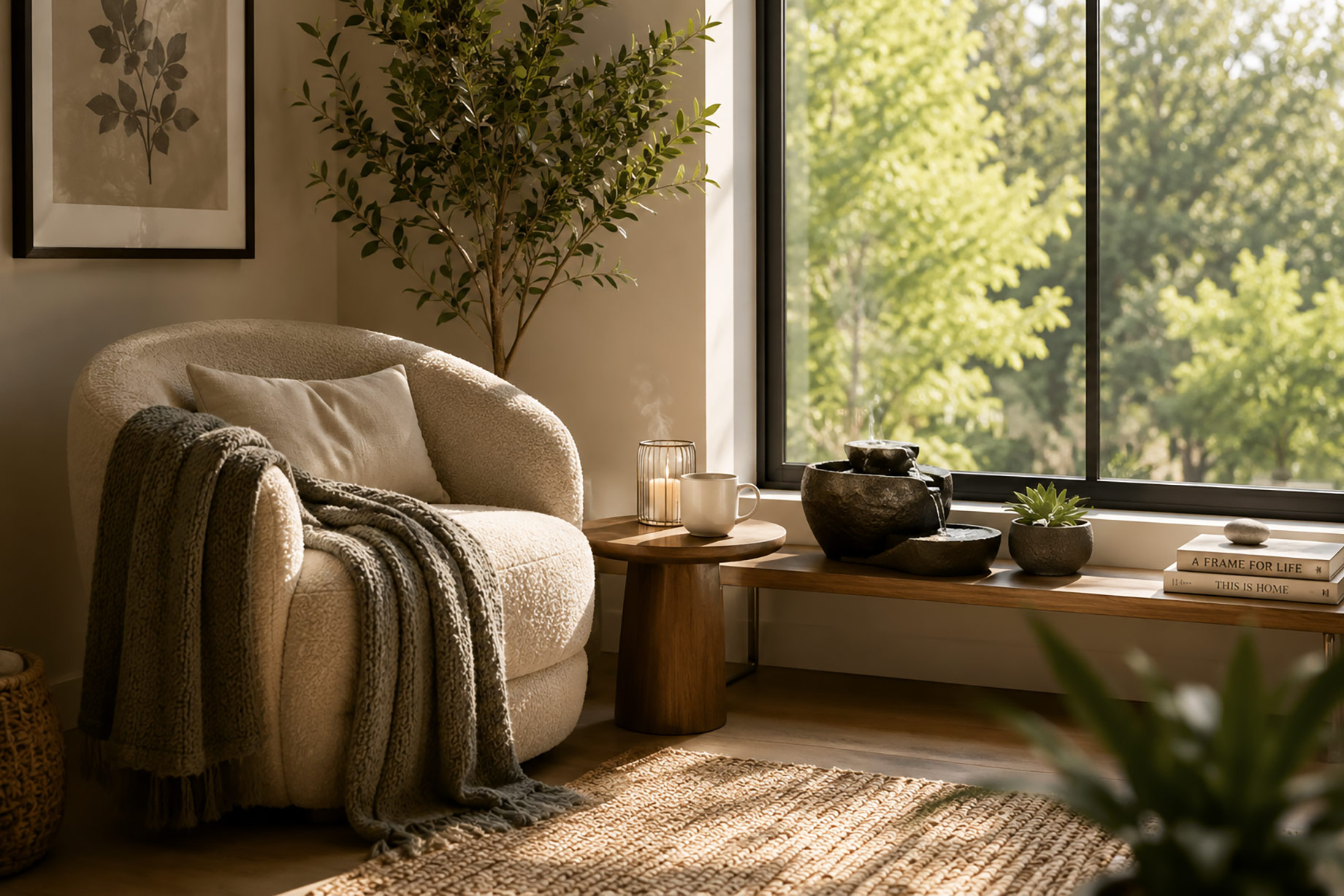
Transforming a standard living space into a calm environment requires deliberate choices. Modern busy lifestyles make having a peaceful spot at home valuable. Simple adjustments in lighting, texture, and organization shift the atmosphere of any room quickly.
Create Dedicated Wellness Spaces
Designating a specific area for relaxation sets a clear boundary between daily responsibilities and downtime. A recent report highlighted that dedicated wellness spaces featuring calming materials, natural light, and restorative design help build an at-home retreat.
Setting up a small corner with a comfortable chair, soft lighting, and minimal clutter helps encourage daily rest. Small efforts to keep this space clean make a big difference in how much you use it.
Optimize Lighting and Soundscapes
Lighting plays a major role in setting the tone for relaxation. Warm, soft bulbs feel far more inviting than harsh overhead lights. Living at The Keaton Brier Creek apartments gives residents the opportunity to style bright layouts with cozy floor lamps and warm accents. Dimmers let you adjust light intensity as evening approaches.
Adding soothing sounds improves peace within the home. An industry guide noted that smart home technology improves wellness areas by tuning lighting, temperature, and soundscapes automatically. White noise machines or small water features block outside noise.
Integrate Biophilic Elements
Bringing nature indoors lowers stress and creates a fresh environment. Adding indoor plants, natural wood furniture, and organic stone accents transforms your room’s aesthetic.
A study on interior design trends mentioned that biophilic elements lower stress levels while purifying indoor air and raising mood. Placing leafy greens near windows creates a direct connection to nature.
Set Up Ritual Zones
Reserving small areas for specific relaxing activities quiets the mind. A tea corner, a reading nook, or a journaling table establishes daily restorative habits.
Design experts noted that dedicated ritual zones foster mindfulness by offering simple setups for tea or meditation without work distractions. Keeping these areas clear of laptop chargers and work materials protects their purpose.
Designing a Quiet Reading Nook
Positioning a soft chair near a window provides natural daytime light. This setup lets you enjoy a quiet afternoon without needing bright overhead lamps.
Pairing the chair with a small side table and a throw blanket completes the cozy space. Keeping a stack of favorite books nearby encourages you to sit back and unwind.
Incorporate Water Features
The presence of water brings a sense of peace to indoor and outdoor environments. A home publication explained that the soothing sound of flowing water has a naturally calming effect on the mind, reducing stress.
A tabletop fountain or a balcony water accent creates a steady background hum that masks city noise. Listening to gentle water flow after a long workday helps slow down a racing mind.
Prioritize Overall Well-Being
Designing a tranquil space is an ongoing process of choosing items that comfort you. An architectural study pointed out that a home wellness retreat is an intentionally designed environment that supports physical, mental, and emotional well-being.
Focusing on personal comfort helps your space remain a true sanctuary. Picking soft textures, warm colors, and quiet decor pieces makes everyday living much more enjoyable.
Your Personal Sanctuary Awaits
Focusing on thoughtful interior details transforms any living space into a personal haven. Intentional design choices turn your home into a place where you can comfortably recharge every day. Make sure to check out the rest of our articles today!
