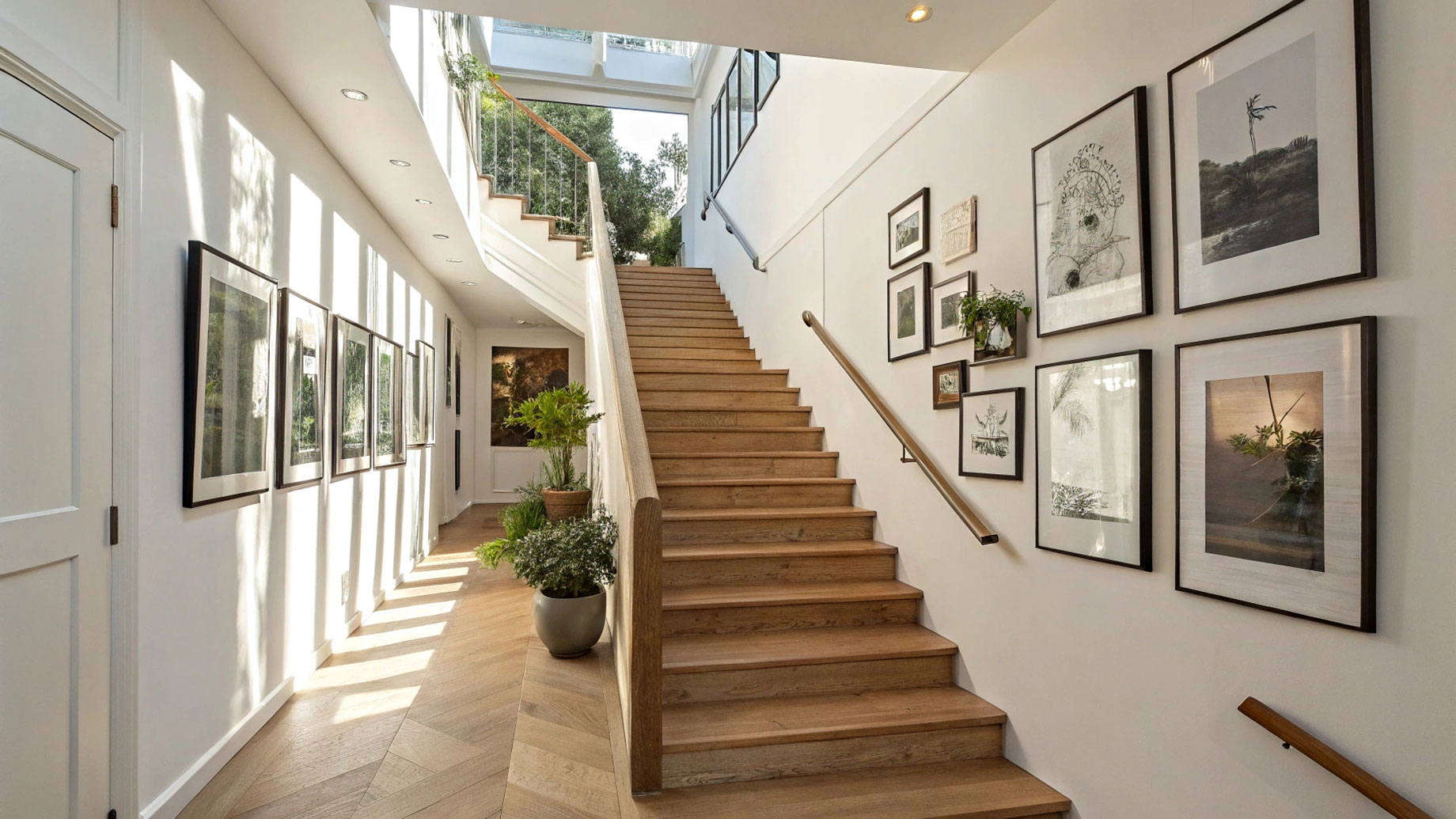
Staircases and hallways are often treated as transitional zones, yet they offer some of the most powerful opportunities to elevate a home’s character. These long, narrow, or vertical spaces naturally draw the eye and can become striking design moments when styled with intention. With the right wall art, they shift from overlooked passageways into expressive visual stories that welcome guests and shape the atmosphere of your entire interior.
Why Wall Art Matters in Hallways and Staircases
Creating a Memorable First Impression
Because hallways and staircases frequently sit near entryways or connect major rooms, they are among the first areas visitors encounter. Art placed here sets expectations for the rest of the home, instantly conveying warmth, sophistication, personality, or creativity.
Enhancing Flow and Continuity
Thoughtfully selected artwork helps guide movement through the home, reinforcing design cohesion between rooms. A harmonious progression of color, theme, or form creates visual rhythm and supports a natural flow from one space to another.
Choosing the Right Wall Art for Hallways
Prioritize Proper Scale
Hallways often have limited depth, so scale matters more than anywhere else. Depending on the layout, you may choose:
- A long row of small to medium pieces
- One impactful oversized print
- A vertical artwork that elongates narrow walls
Correct proportions ensure the art enhances the architecture rather than overwhelming it.
Reflect Your Design Style
Even minimalist corridors gain personality through art. Whether your style is clean-lined, classic, organic, or bold, hallway pieces should reinforce the tone of the home. Look for motifs, colors, or materials that feel like a natural extension of the rooms they connect.
Use Lighting as a Design Tool
Accent lighting dramatically enhances hallway art. Options include:
- Slim wall sconces
- Track lighting
- Recessed directional lights
Focused illumination creates dimension, highlights texture, and gives even simple artwork a gallery-like presence.
Transforming Staircase Walls into Vertical Galleries
Staircases present a unique opportunity because of their height, angles, and multi-level visibility. They naturally invite storytelling.
Create a Dynamic Gallery Wall
Mixing frames, shapes, and formats produces an evolving display that climbs alongside the staircase. A well-designed gallery wall can feel curated rather than chaotic by balancing:
- Visual weight
- Spacing
- Repetition of color or material
It becomes a sculptural composition that adds movement and depth.
Take Advantage of Architectural Features
Landings, alcoves, and half-walls are ideal for spotlight pieces. Instead of leaving these spaces empty, treat them as built-in frames that highlight a meaningful artwork or a striking modern print.
Midway through your design exploration, consider expanding your options with hand-painted or custom wall art from Try Artwork, where curated pieces can help you build a cohesive look tailored to the rhythm of your home.
Redefining Hallway Art with Intention
Designing a Strong Entryway Identity
The hallway often introduces the design language of the home. Choosing a bold focal piece, a serene landscape, or a structured abstract print helps define the emotional tone before guests even reach the main living spaces.
Elevating Staircase Art into a Statement
In multi-level homes, the staircase is a major visual feature – almost architectural sculpture. Large-scale artwork, elongated compositions, or repeating elements emphasize the height and add elegance to the ascent.
Creating a Harmonious Narrative
Art in hallways can weave subtle transitions between contrasting room styles. Neutral palettes, textural compositions, or coordinated frames help anchor the overall aesthetic.
Frequently Asked Questions
1. Why is art essential in hallways and staircases?
It creates a welcoming environment, adds style to often-neglected areas, and improves the visual continuity of the home.
2. How do I choose the right art size for narrow spaces?
Match the artwork to the scale of the wall. A series of smaller, aligned pieces works well in tight corridors, while tall artwork suits elongated or vertical walls.
3. Can I mix different art styles on a staircase wall?
Yes – combining styles adds depth and personality. The key is consistency in spacing, framing, or a unifying color palette.
Final Thoughts
Hallways and staircases offer some of the richest opportunities to transform everyday movement into a visual experience. Whether you choose a minimalist focal piece, a dramatic gallery wall, or a subtle arrangement that guides the eye, the goal is intentionality. Art in these transitional spaces should enhance your home’s flow, express your personality, and elevate the architectural features that often go unnoticed.
Thoughtfully selected wall art turns these corridors into curated galleries – quietly powerful moments that shape the identity of your entire home.
