For business owners in Florida, the physical facility is more than just a place of operations; it is a critical asset that demands protection. While the Sunshine State offers an enviable economic climate, its meteorological climate is among the most aggressive in the nation. From the relentless UV radiation of the Keys to the hurricane-force winds that can sweep across the peninsula, the demands placed on a commercial structure are immense.
The roof, serving as the primary shield against these elements, requires more than just standard installation. It demands a strategic approach involving specialized materials, precise engineering, and a partnership with a licensed roofing company in Florida that understands the local ecosystem.
The Unique Stressors of the Florida Climate
To understand the necessity of high-grade roofing, one must first appreciate the adversary: the weather. Florida’s climate attacks roofs on three fronts:
- Thermal Shock: Roof surface temperatures can soar well above 150°F during the day and drop significantly at night or during sudden rainstorms. This rapid expansion and contraction can cause seams to separate and materials to become brittle over time.
- Ultraviolet Degradation: The intensity of UV rays in Florida is constant. Over years, this radiation breaks down the molecular bonds in standard asphalt and membranes, leading to cracking and “alligatoring”.
- Wind and Debris: Hurricane season (June to November) brings the threat of sustained high winds. A commercial roof must be rated to withstand uplift forces that can peel off layers like a sticker, while also resisting impact from flying debris.
Choosing the Right Material for Longevity
Modern Commercial Roofing in Florida has evolved to meet these challenges with advanced materials designed for resilience and energy efficiency.
- Thermoplastic Olefin (TPO): TPO is rapidly becoming the gold standard for flat commercial roofs in the region. Its white, reflective surface repels the sun’s heat rather than absorbing it. This “cool roof” effect can significantly lower indoor cooling costs—a major operational expense for Florida businesses. Furthermore, TPO membranes are heat-welded at the seams, creating a monolithic, water-tight barrier that is highly resistant to pooling water.
- Metal Roofing: For longevity, metal is unrivaled. While the upfront investment is higher, a properly installed metal roof can last 40 to 70 years. It offers superior wind resistance and, when treated with proper coatings, can resist the corrosive effects of salt air found in coastal communities like Miami and Fort Lauderdale.
- Modified Bitumen: This material is a modern evolution of the traditional built-up roof. It uses layers of asphalt reinforced with fiberglass or polyester. It is exceptionally tough and provides excellent resistance to foot traffic, making it ideal for buildings where HVAC units require frequent rooftop maintenance.
Harnessing Florida’s Sun: The Solar Opportunity
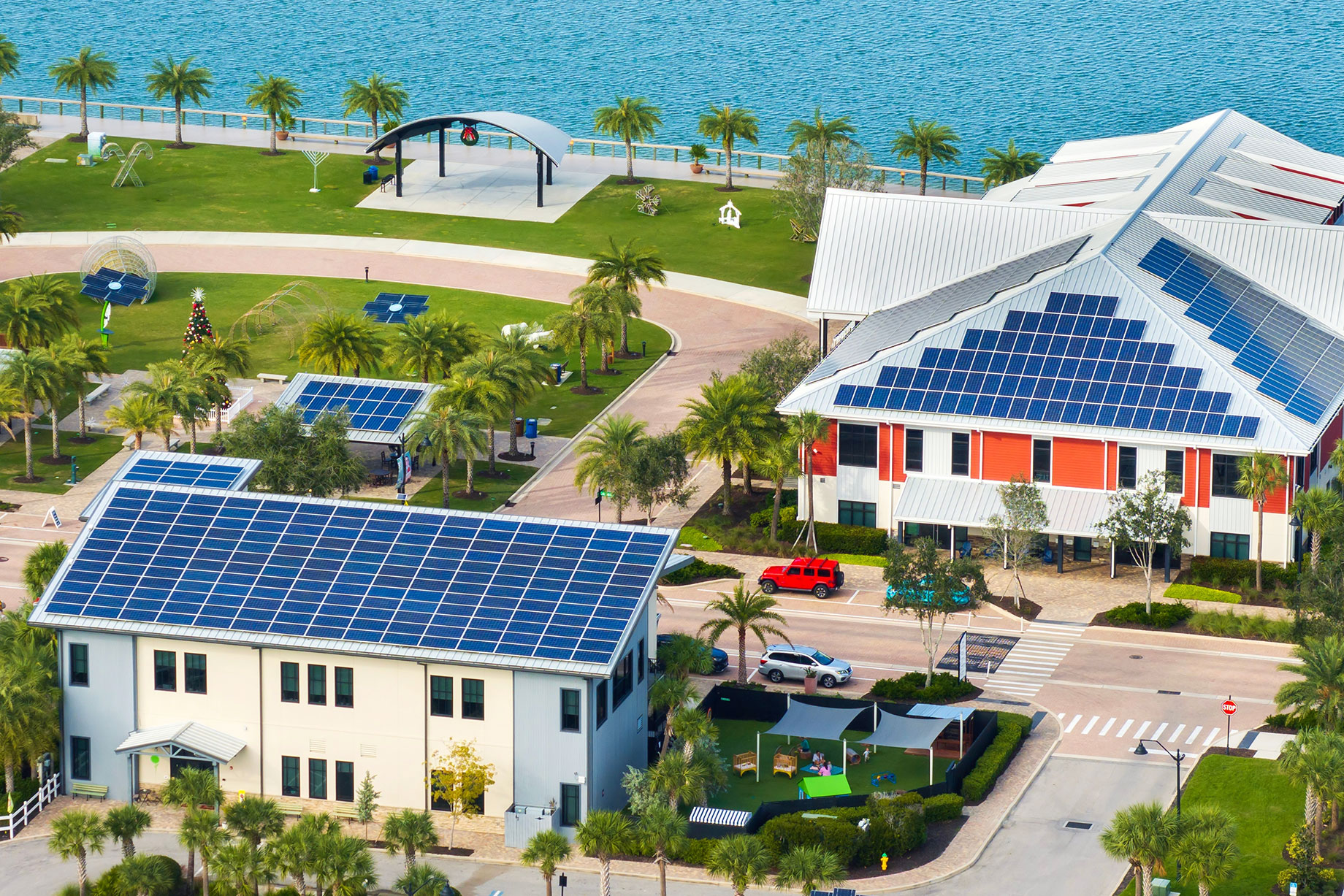
Given that Florida averages over 230 days of sunshine annually, many commercial property owners are turning their roofs into revenue generators through solar integration. Installing solar panels can drastically reduce electricity overhead and take advantage of incentives like the Federal Investment Tax Credit (ITC) and Section 179 deductions, which allow businesses to write off significant portions of the installation cost.
However, integration requires careful planning. Metal roofs are particularly well-suited for this, as panels can often be clamped to the standing seams without penetrating the roof deck, preserving the watertight warranty. Interestingly, solar panels can also extend the life of the underlying roof by acting as a shield against UV radiation. It is vital to coordinate this installation with your roofing contractor to ensure that the added weight does not compromise the structure and that the wind-uplift rating meets local hurricane codes.
The Critical Role of Maintenance and Expertise
Even the most advanced materials will fail if installed incorrectly or neglected. The state’s building codes are among the strictest in the world for good reason. Hiring a contractor who is GAF or GACO certified ensures that the installation meets these rigorous standards and that manufacturer warranties remain valid.
Maintenance is equally vital. Florida’s high humidity creates the perfect breeding ground for algae and mold, which can trap moisture against the roof surface. A proactive maintenance plan should include bi-annual inspections to clear drainage systems, check flashing seals, and remove debris that could puncture membranes during a storm.
Conclusion
Your commercial roof is a silent partner in your business’s success. It protects your inventory, your employees, and your bottom line. By investing in quality materials like TPO or metal and maintaining a relationship with experienced local professionals, you ensure that your business remains watertight and secure, regardless of the forecast.