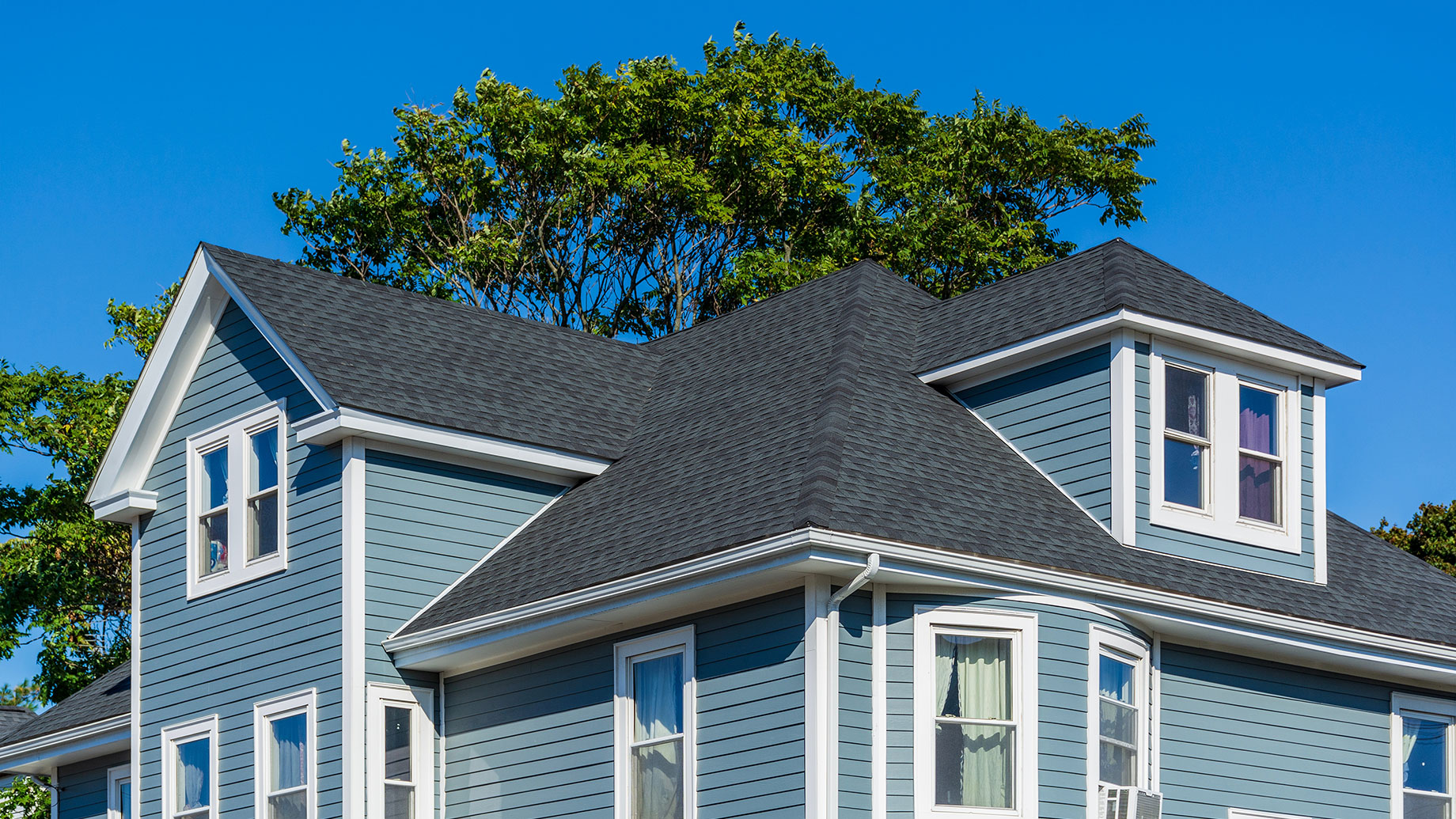
In the realm of home ownership, few phrases induce as much anxiety as “roof replacement.” It is often viewed as a grudge purchase—a necessary but expensive undertaking that doesn’t offer the immediate gratification of a kitchen remodel or a shiny new pool. However, savvy homeowners understand that the roof is the primary defender of their equity. It shields the structure from the elements, protects the interior design, and plays a crucial role in the home’s thermal regulation.
When it comes to protecting this significant investment, seeking the best value does not mean hunting for the lowest bidder on a generic listing site. Instead, finding the intersection of fair pricing, durability, and expert craftsmanship is key. True affordability is about long-term value, not just the sticker price. A “cheap” roof that leaks or fails in five years is infinitely more expensive than a quality installation that lasts for thirty. Navigating this delicate balance requires a deeper understanding of materials, timing, and the importance of the team you hire to execute the vision.
The High Cost of Delay
One of the most effective, yet often overlooked, ways to keep roofing costs down is proactive maintenance. Industry data consistently suggests that minor leaks, if left unchecked, can spiral into major structural repairs involving rotted framing, ruined insulation, and even electrical hazards.
Many homeowners delay calling a professional because they fear the potential cost, only to find that the damage has compounded significantly during their hesitation. Water infiltration is insidious; it can travel long distances from the point of entry, causing hidden rot that compromises the structural integrity of the home. Regular inspections—especially after severe weather events—and addressing minor shingle damage immediately are the cornerstones of affordable roofing services. By fixing small issues before they become catastrophes, you extend the lifespan of your existing roof and delay the need for a full, capital-intensive expenditure.
Choosing Materials Wisely
When a replacement is finally necessary, material selection plays a massive role in the final bill. However, “affordable” materials have evolved significantly.
- Asphalt Shingles: These remain the most popular choice for a reason. They offer a compelling balance of weather resistance and upfront cost-effectiveness, with modern architectural shingles often lasting 25-30 years. They also come in a variety of styles that can mimic more expensive slate or wood shake.
- Metal Roofing: While the initial investment is higher, metal roofs can last 50-70 years. For homeowners planning to stay in their property for the long haul, this amortized cost often makes metal the smarter financial play.
- Energy Efficiency: Another factor in affordability is the roof’s impact on your utility bills. Modern “cool roof” technologies or properly ventilated systems can significantly reduce cooling costs in the summer, effectively paying for a portion of the roof over time through monthly energy savings.
The Value of Local Expertise
Ultimately, the longevity and performance of your roof depend almost entirely on the skill of the installers. The best materials in the world will fail if the flashing is incorrect or the ventilation is inadequate. A reputable roofing company will be transparent about their pricing and explain exactly what you are paying for—from the quality of the synthetic underlayment to the specific terms of the warranty on workmanship.
For property owners, finding a dedicated local team is often the key to unlocking true value. Unlike massive, national franchises with high overhead and marketing budgets, established local businesses can often provide top-tier roofing services at highly competitive rates. Their business model relies on reputation and referrals rather than volume sales. Their approach typically focuses on educational, “no-pressure” consultations and comprehensive workmanship warranties, ensuring that “affordable” never comes at the expense of your peace of mind or your home’s safety.
Conclusion
Your home is likely your most significant financial asset. Protecting it shouldn’t bankrupt you, but it also isn’t the place to cut corners with subpar labor or materials. By prioritizing preventative maintenance, choosing the right materials for your specific climate and budget, and partnering with trusted local experts, you can secure a watertight future for your home that makes perfect financial sense.