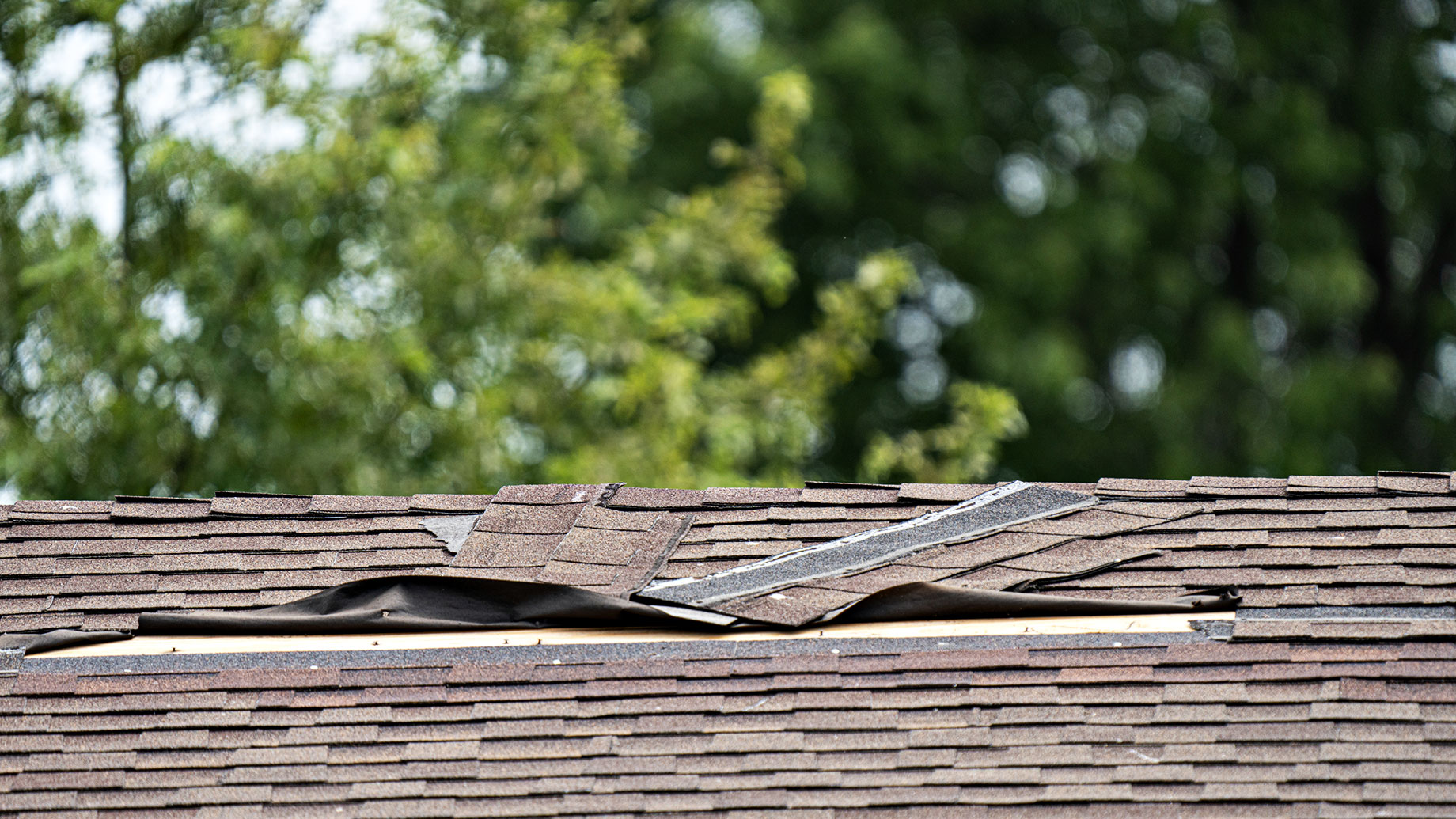
When strong winds sweep through a neighborhood, the damage they leave behind is not always immediately visible. While downed tree limbs and scattered debris may capture attention, the real damage often lies above—on the roof. Wind damage roof repairs have become an increasingly important topic for homeowners in storm-prone regions, particularly as weather patterns grow more unpredictable and extreme.
In this article, we’ll explore the true impact of wind on roofing systems, the signs homeowners should never ignore, the risks of delaying repairs, and the process for addressing damage efficiently and safely. Whether you live in a high-wind corridor or have simply experienced an intense seasonal storm, this guide will provide the knowledge you need to act quickly and confidently when your roof is compromised.
Common Signs of Wind Damage to Your Roof
For homeowners, recognizing the signs of wind damage is the first line of defense. While not all symptoms will be visible from the ground, some indicators are easier to detect than others. Here are a few telltale signs that your roof may have sustained wind-related harm:
- Missing or torn shingles
- Curling or buckling shingles along edges or ridges
- Granule loss or bald spots on asphalt shingles
- Damaged flashing around chimneys, vents, or skylights
- Leaking or water stains on ceilings and walls
- Loose or detached gutters and downspouts
If any of these signs are present after a windstorm, it’s important to take action quickly. Even minor damage can compromise the integrity of the entire roof system if not addressed promptly.
Why Immediate Wind Damage Roof Repairs Matter
Postponing repairs after wind damage is a costly mistake. Even small breaches in the roofing envelope can allow moisture to enter the home, leading to insulation saturation, wood rot, and the development of mold colonies. Over time, this damage can spread well beyond the original impact area, increasing the scope—and the price—of eventual repairs.
More importantly, ignoring wind damage can void manufacturer warranties or insurance coverage. Many homeowner insurance policies require that damage be reported within a specific timeframe. A delay in reporting or repairing roof issues may result in a denied claim or reduced compensation.
Additionally, roofs that have already sustained wind damage are more vulnerable to future storms. The next time high winds strike, previously loosened shingles or flashing may tear away completely, exposing the home to greater danger.
The Wind Damage Roof Repair Process
Understanding the typical repair process can help homeowners feel more in control during what is often a stressful time. Here’s what the wind damage repair process usually involves:
- Inspection and Damage Assessment: A professional roofer conducts a detailed inspection of the entire roofing system. This includes checking for missing or damaged shingles, inspecting flashing and vents, evaluating the decking beneath, and documenting all findings.
- Insurance Documentation: If the damage qualifies for a claim, the roofer may assist in documenting the damage for insurance purposes. This includes photographs, written reports, and a repair estimate.
- Temporary Protection (if needed): In the case of exposed decking or active leaks, roofers may install emergency tarps to prevent water infiltration until full repairs can be completed.
- Shingle Replacement and Flashing Repairs: Damaged components are carefully removed and replaced with materials that match the existing roof in type, color, and performance.
- Final Inspection and Quality Check: Once repairs are completed, a final inspection ensures the roofing system is sealed, secure, and compliant with manufacturer and local building standards.
Choosing the Right Professional for the Job
Not all roofing contractors are created equal. Wind damage repairs require more than just replacing a few shingles; they require a deep understanding of roofing systems, storm dynamics, and proper installation techniques. When hiring a professional, look for the following qualifications:
- Proper licensing and insurance
- Experience with storm damage and insurance claims
- Strong reviews and references
- Local knowledge of building codes and climate
- Certifications from roofing material manufacturers (e.g., GAF, Owens Corning)
Choosing the right contractor can make the difference between a quick patch and a lasting repair that truly protects your home.
Preparing for the Next Storm
While no roof is completely immune to storm damage, homeowners can take proactive steps to minimize future risk:
- Schedule regular roof inspections, especially after major weather events
- Keep trees trimmed and away from the roofline
- Ensure gutters and downspouts are clear and functioning
- Address minor issues before they become major ones
- Invest in wind-rated shingles or upgrades if you live in high-wind areas
Being proactive not only protects your investment but also provides peace of mind the next time severe weather is in the forecast.
Your Trusted Partner in Roof Recovery
Wind damage is more than just a cosmetic issue—it’s a serious threat to your home’s safety and long-term value. Understanding the risks, recognizing the signs, and addressing repairs quickly are essential steps every homeowner should be prepared to take.
For those seeking expert guidance and trusted service, Apple Roofing offers professional wind damage roof repairs backed by industry experience, certified teams, and a commitment to doing what’s right for homeowners. With locations across the U.S. and a strong reputation for service and reliability, Apple Roofing continues to be a leader in storm recovery and roofing excellence.
View Your Trusted Roofing Partner in Dallas in a full screen map
Media Contact:
- Company Name: Apple Roofing
- Phone: 469-908-4323
- Address: 3001 E Plano Pkwy #100
- City: Plano
- State: TX
- ZIP Code: 75074
- Country: United States
- Website: https://appleroof.com/dallas/
- Social Media:
