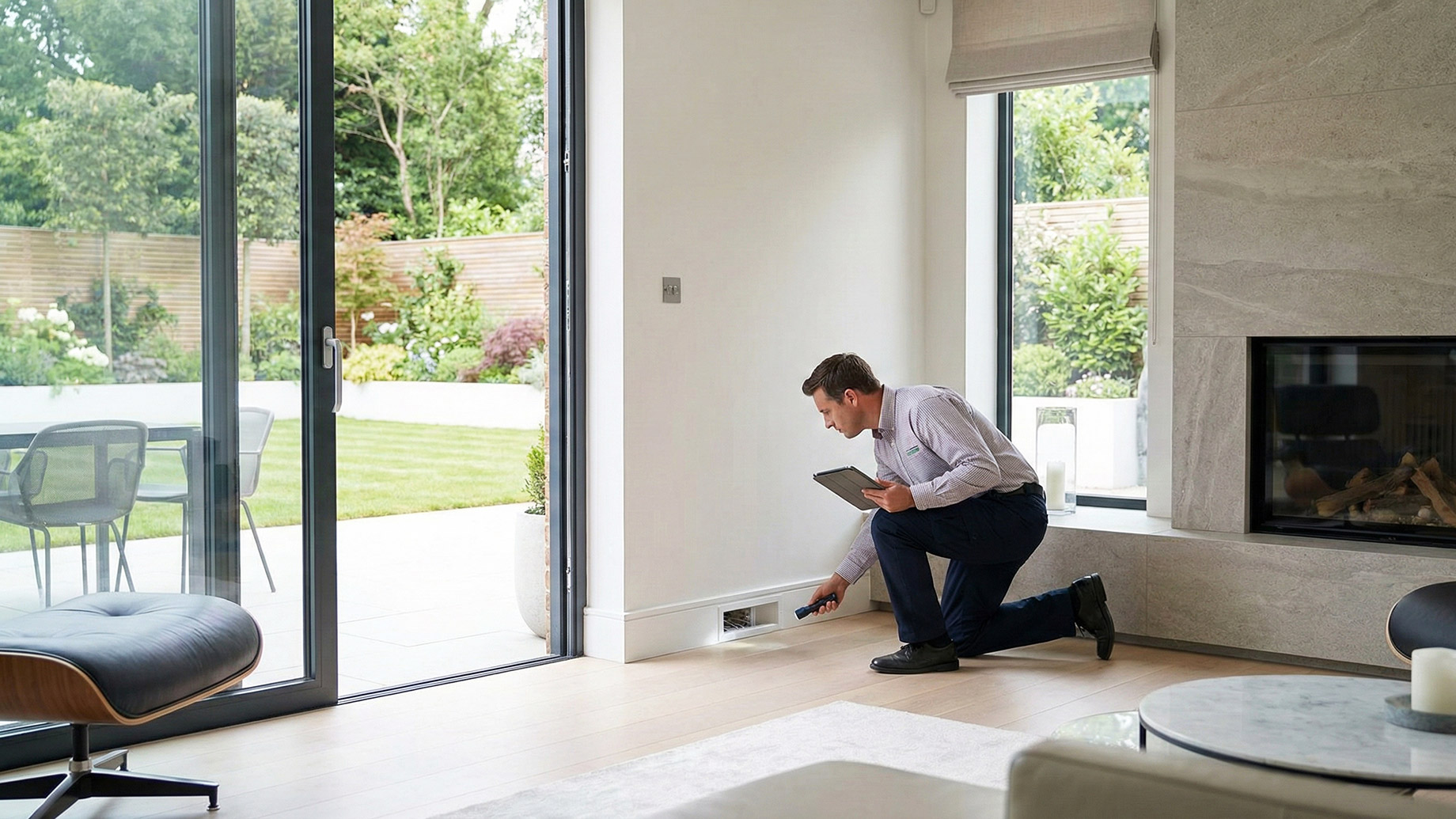
Pest problems in homes are often misunderstood. Many homeowners associate infestations with poor hygiene or neglect, assuming that regular cleaning is enough to keep pests away. In reality, residential properties face a wide range of pest risks that are influenced by structure, environment, and daily living patterns rather than cleanliness alone. Understanding these risks is essential for maintaining a safe and healthy home over the long term.
Homes provide what pests are constantly searching for: shelter, warmth, water, and access to food. Even small vulnerabilities can create opportunities for pests to enter and establish themselves, often without immediate detection. Once inside, they adapt quickly to indoor conditions, making early prevention far more effective than reactive solutions.
Why Homes Attract Pests Even When They Are Clean
Residential environments are dynamic. Doors and windows are opened daily, deliveries arrive from outside, and waste is generated through normal living. Seasonal changes push pests indoors as temperatures drop or food sources become scarce outside. These factors make pest exposure unavoidable, regardless of how tidy a home appears.
Cracks in foundations, gaps around utility lines, roof vents, and drainage systems all act as entry points. Inside the home, basements, attics, wall voids, and storage areas provide quiet, undisturbed spaces where pests can nest and multiply. Moisture from bathrooms, kitchens, and laundry areas further increases risk.
This is why relying solely on surface cleaning does not address the root causes of pest activity. Prevention requires an understanding of how pests interact with the structure and environment of a home, not just its visible condition.
Health Risks Linked to Household Pests
Pests in residential spaces pose health risks that are often underestimated. Rodents can carry bacteria and parasites that contaminate surfaces and stored food. Their droppings and urine can trigger allergies and respiratory issues, particularly in children and individuals with asthma.
Cockroaches are known to spread bacteria and allergens, while also worsening indoor air quality through shed skin and waste. Ants, while less hazardous, can contaminate food and indicate broader access issues. In some regions, termites and wood-boring insects threaten not health directly, but the structural integrity of a property.
What makes these risks particularly concerning is that pest activity often goes unnoticed until populations grow. Sounds in walls, faint odors, or minor damage are easy to dismiss, allowing problems to escalate quietly.
Structural Damage and Long-Term Property Impact
Beyond health concerns, pests can cause significant damage to homes over time. Rodents gnaw continuously to keep their teeth from overgrowing, damaging insulation, wiring, and wooden structures in the process. This creates fire hazards and reduces energy efficiency.
Termites and other wood-destroying insects compromise structural components, often without visible signs until damage becomes severe. Repairing this type of damage is costly and disruptive, particularly when infestations are discovered late.
Early detection and prevention are critical to protecting both the safety and value of a home. This is where professional pest control plays an important role, focusing on identifying risks before damage becomes extensive.
Why DIY Solutions Often Fall Short in Homes
Many homeowners turn to DIY pest solutions as a first response. Traps, sprays, and repellents can provide temporary relief, especially for visible pests. However, these methods rarely address nesting sites, entry points, or environmental conditions that support ongoing activity.
DIY treatments also carry risks when used incorrectly, particularly in homes with children or pets. Overuse of chemicals, improper placement of traps, and incomplete treatments can make problems worse rather than better.
More importantly, DIY approaches tend to be reactive. They focus on eliminating pests that are already visible, rather than preventing new ones from entering or existing populations from growing.
The Importance of Prevention in Residential Settings
Effective pest management in homes is built on prevention rather than crisis response. This involves understanding seasonal pest behavior, monitoring vulnerable areas, and addressing structural weaknesses that allow access.
Preventive approaches under professional pest control frameworks include regular inspections, risk assessments, and environmental adjustments tailored to the specific layout and location of a home. This may involve sealing entry points, improving ventilation, addressing moisture issues, and advising on storage and waste practices.
By treating pest control as part of routine home maintenance, homeowners reduce the likelihood of recurring problems and avoid the stress of sudden infestations.
Seasonal Patterns and Household Pest Activity
Seasonal changes strongly influence pest behavior in residential areas. During colder months, rodents seek warmth and shelter indoors. In warmer seasons, insects become more active, drawn to food, water, and breeding sites around the home.
Heavy rainfall, drought, and construction in nearby areas can also displace pests, pushing them into residential properties. These patterns make year-round awareness important, even when no visible signs are present.
Understanding these cycles helps homeowners anticipate risks rather than react to them. Preventive measures taken before peak seasons are far more effective than addressing infestations once they are established.
Shared Living Spaces and Lifestyle Factors
Homes with shared walls, such as apartments and townhouses, face additional challenges. Pests can move between units through walls, ceilings, and utility lines, making individual efforts less effective if neighboring spaces are not addressed.
Lifestyle factors also play a role. Pet food, cluttered storage areas, and irregular waste disposal can increase pest attraction. Even hobbies such as gardening or home renovation can introduce new risks if materials are stored improperly.
Professionals assess these factors holistically, looking at how daily habits interact with the home environment. This broader perspective supports long-term prevention rather than isolated fixes.
Peace of Mind and Ongoing Protection
One of the most overlooked benefits of structured pest management is peace of mind. Knowing that a home is monitored and protected reduces anxiety and allows residents to focus on daily life without constant concern about hidden issues.
Rather than responding to pests only when they become disruptive, preventive systems help maintain a stable living environment. This is particularly important for families, older residents, and those with health sensitivities.
When approached correctly, professional pest management becomes a quiet, preventive layer of home care, similar to routine inspections or maintenance checks.
A Practical Part of Responsible Homeownership
Pest management is not a one-time task. Homes evolve over time, with changes in structure, occupancy, and surrounding environments influencing risk levels. Treating pest prevention as an ongoing responsibility helps homeowners protect their property, health, and comfort.
By understanding why pests are drawn to residential spaces and addressing risks proactively, homeowners can reduce the likelihood of infestations and the disruption they cause. In this context, pest control is not about reacting to problems, but about maintaining a safe and resilient home environment.
