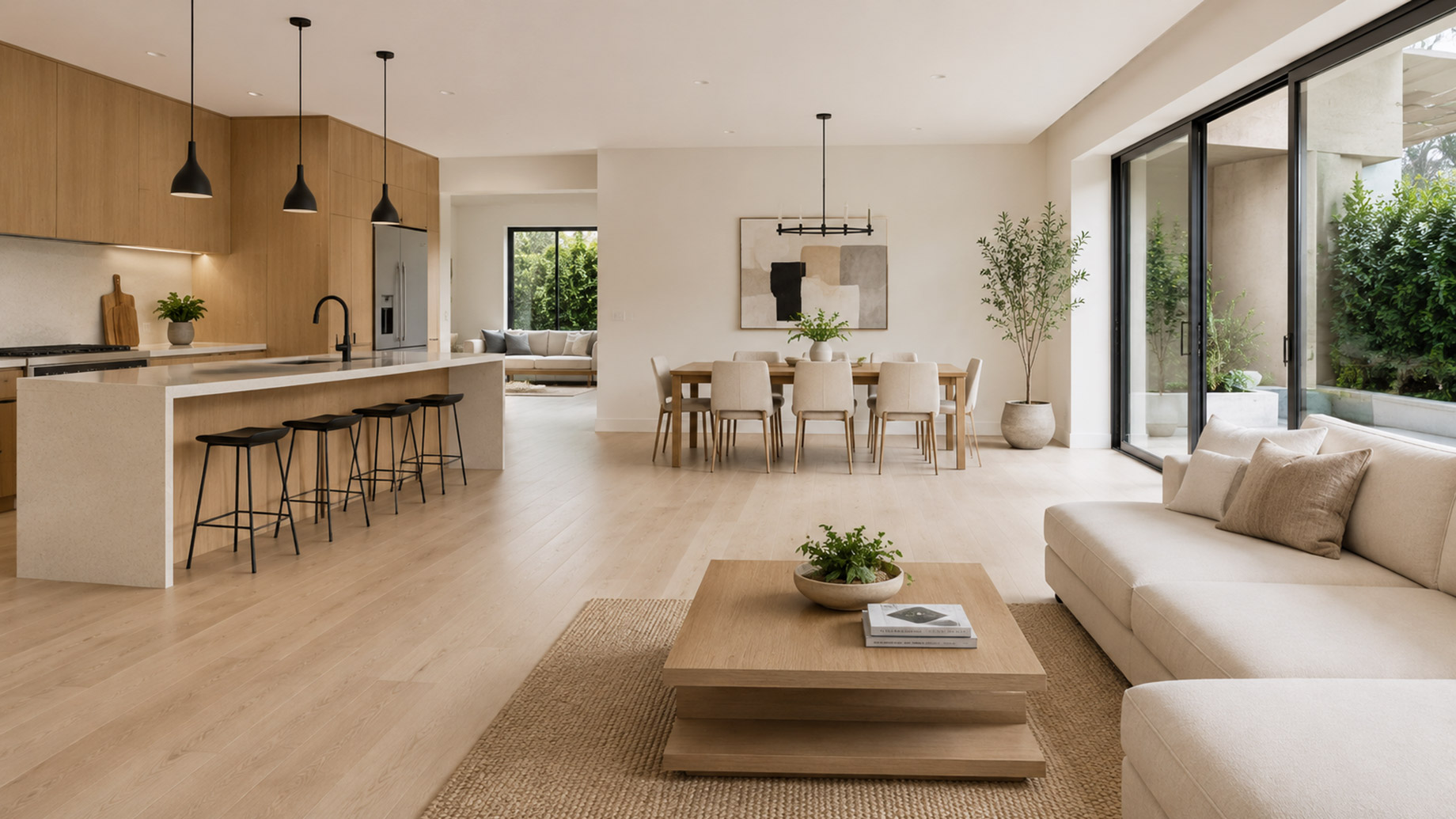
The whole idea of “home” has shifted for a lot of families. It used to be pretty simple. Enough bedrooms, a decent kitchen, a yard the kids could run around in, done. Those things still matter, of course. But families today are asking their homes to do so much more than that.
They want space to work. To rest. To gather. To store all the stuff that real life accumulates. To create. To breathe.
A few years ago, “extra space” probably sounded like a luxury. Now it just sounds practical. Parents are working from home. Kids need somewhere quiet to do homework. Grandparents are moving in more often. Hobbies aren’t side projects anymore, they’re part of daily life. Even ordinary stuff like cooking dinner and folding laundry feels easier when there’s actually room to move around.
This shift says something real about how families are thinking. They’re not just buying square footage. They’re choosing flexibility. They’re looking for homes that can change with them, rather than forcing them to squish life into spaces that stopped fitting years ago.
What “Extra Space” Actually Means Now
The old idea of extra space usually involved formal rooms nobody really used. A sitting room. A dining room reserved for holidays. A guest bedroom that gathered dust eleven months out of the year.
Today’s families think differently. Extra space isn’t about appearances. It’s about options.
A spare room can be an office Monday through Friday and a guest room on the weekend. A finished basement can be a playroom, a workout space, or a teenage hangout where the chaos stays contained. A bigger garage can hold tools, bikes, sports gear, holiday bins, and lawn equipment without becoming the source of weekly arguments.
What families are realizing is that a little extra breathing room reduces a lot of daily friction. Mornings feel calmer. Evenings flow better. Weekends don’t feel like one big traffic jam in the living room.
When a home actually supports how people live, everything feels different. There’s less negotiating over who gets the quiet corner. Less clutter creeping into every room. Less of that constant low-grade stress of feeling like the house is working against everyone in it.
Work and School Have Rewritten the Rules
A huge driver of the “more space” trend is the rise of remote and hybrid work. For so many people, the home office stopped being temporary a long time ago. It’s just part of life now.
Working from the kitchen table is fine for a week. Maybe two. But after a while, it gets exhausting. Calls overlap with the kids walking in the door. Papers get moved for dinner. Privacy feels impossible. A real workspace with a door that closes makes an enormous difference, not just for productivity but for sanity.
The same is true for kids. School doesn’t end at the bell anymore. Homework, online tutoring, music practice, art projects, study groups, all of it spills into the home. Families with more than one kid know how fast shared spaces fill up with notebooks, instruments, and “I just need quiet” demands.
This is part of why families across the Midwest, especially in places like Indiana, are taking a serious look at more flexible housing options. The state has all the right ingredients, which is exactly why barndominiums in Indiana have become such a popular choice. There’s no shortage of rural and semi-rural communities, plenty of available land, and a deeply practical, hands-on culture where people genuinely need real workshop space, room for equipment, and somewhere to park the trucks, tractors, boats, and tools that come with everyday life. Add in land prices that still let families buy meaningful acreage, plus a long agricultural tradition that makes the barn-style design feel completely at home in the landscape, and the appeal makes total sense.
What really makes this style work for Indiana families is the way it blends cozy, warm living quarters with serious functional space all under one roof. Most families don’t want their workshop, storage, or hobby area buried in a separate outbuilding clear across the property. They want it connected, accessible, and part of daily life. That kind of layout matches how many Hoosier families actually live. Running a side business out of the shop. Storing equipment for the family farm. Keeping the kids’ four-wheelers, snowmobiles, or sports gear out of the weather. Having a clean, well-built place to tinker, fix, build, or create. And doing all of it without giving up a comfortable, modern home for the family to live in.
The point isn’t that every family needs a giant house. Most don’t. What families really need is space with a purpose, or at least space that can take on a new purpose when life eventually shifts. And for plenty of families, that’s exactly the kind of flexibility a well-designed barndominium delivers.
Families Are Planning for Change
A family’s needs rarely stay the same for long. A couple might buy a home before having kids. Then comes a nursery. Then toys. Then school projects. Then, sports equipment is everywhere. Then, there are teenagers who suddenly want privacy. Later, maybe aging parents need help. Or adult kids come home for a season. Life keeps moving.
Homes with extra space make those transitions a lot easier to handle.
Instead of moving every time life changes, families can adapt. A guest room becomes a nursery. A loft turns into a study area. A detached workshop can be a small-business setup or an art studio. That kind of flexibility gives families real breathing room for the future.
It can be financially smart too. Moving is expensive and stressful. Renovating under pressure is even worse. Choosing a home with room to grow can save big down the road.
There’s an emotional side too. A home that grows with a family often feels more stable. Kids stay in the same school district. Neighbors become real friends. Traditions build around the same kitchen, the same porch, the same backyard. Space isn’t just physical. Sometimes it creates a sense of continuity that becomes part of who a family is.
Multi-Generational Living Is Making a Comeback
Another big reason families are leaning toward larger or more flexible homes is the rise of multi-generational living. Sometimes it’s grandparents moving in. Sometimes it’s adult children staying longer to save money or pay off debt. Sometimes it’s relatives needing a guest suite or a converted space.
The benefits are real. Shared expenses. Built-in childcare. Help for aging family members. More time together.
But multi-generational living needs the right kind of space to work. Privacy matters.
Independence matters. Everyone needs places to gather and places to retreat. An extra bedroom, a second living area, a finished basement, or a separate entrance can turn an awkward arrangement into a genuinely comfortable one. It protects relationships by giving everybody enough room to feel like themselves.
Togetherness is a lot easier when people aren’t constantly bumping into each other.
Storage Sounds Boring Until It’s Missing
Storage isn’t a glamorous topic, but families know how much it affects daily life. A lack of storage can make even a beautiful home feel like a constant battle.
Every season brings more stuff. Winter coats and boots. Sports gear. Holiday decorations. School supplies. Lawn equipment. Camping gear. Baby stuff. Boxes of family memories nobody’s ready to part with. It piles up quietly until closets are bursting and the garage is unusable.
Extra space lets families stay organized without constantly purging things they actually still need. It gives everything a place to belong. That alone can make a home feel calmer and easier to maintain.
Good storage also saves time. When stuff has a place, the daily search-and-shuffle goes away. Sounds small, but those moments add up over months and years.
More Room Means Room for the Good Stuff
Families are also thinking more about how their homes support well-being. Extra space makes room for hobbies, exercise, rest, and creativity.
A parent might want a small art studio. A teenager needs a music practice room. Someone might dream of a yoga corner, a sewing table, a treadmill spot, or just a quiet reading chair by a window. These aren’t extras. They’re how people feel like themselves inside their own homes.
When every room is already claimed by the basics, personal interests get pushed aside. Extra space keeps those parts of life alive.
It also helps separate the different kinds of energy in a home. The kitchen can stay a place for meals and conversation. Bedrooms can stay restful. Work can stay in the office. Toys can stay in the playroom. That separation alone can make a home feel a hundred times less chaotic.
Bigger isn’t always the answer, of course. More space means higher costs, more upkeep, and more to clean. The real goal isn’t size for the sake of size. Its usefulness. Families aren’t chasing empty rooms. They’re chasing rooms that earn their place.
The Home as a Long-Term Investment in Daily Life
For most families, a home is the biggest financial decision they’ll ever make. It makes sense that they’re thinking carefully about how well that home will serve them over time.
Extra space adds value in two ways. There’s the resale side, where buyers love home offices, guest areas, storage, and flexible rooms. But there’s also the everyday value, which is harder to measure but easier to feel. A quieter workday. A cleaner entryway. A place for visiting family to crash. A play area that doesn’t take over the living room. A garage that actually fits the car.
None of that is dramatic. But it absolutely shapes how a home feels every single day.
Maybe that’s why this whole trend resonates. Families aren’t fantasizing about some perfect lifestyle. They’re responding to the actual one. The one with busy mornings, shifting schedules, growing kids, aging parents, hobbies, messes, and moments when somebody just needs a little space.
A home with extra room offers comfort, flexibility, and a quiet kind of readiness. It can handle whatever today throws at it and still leave space for whatever comes next.
That kind of home is worth holding out for.
