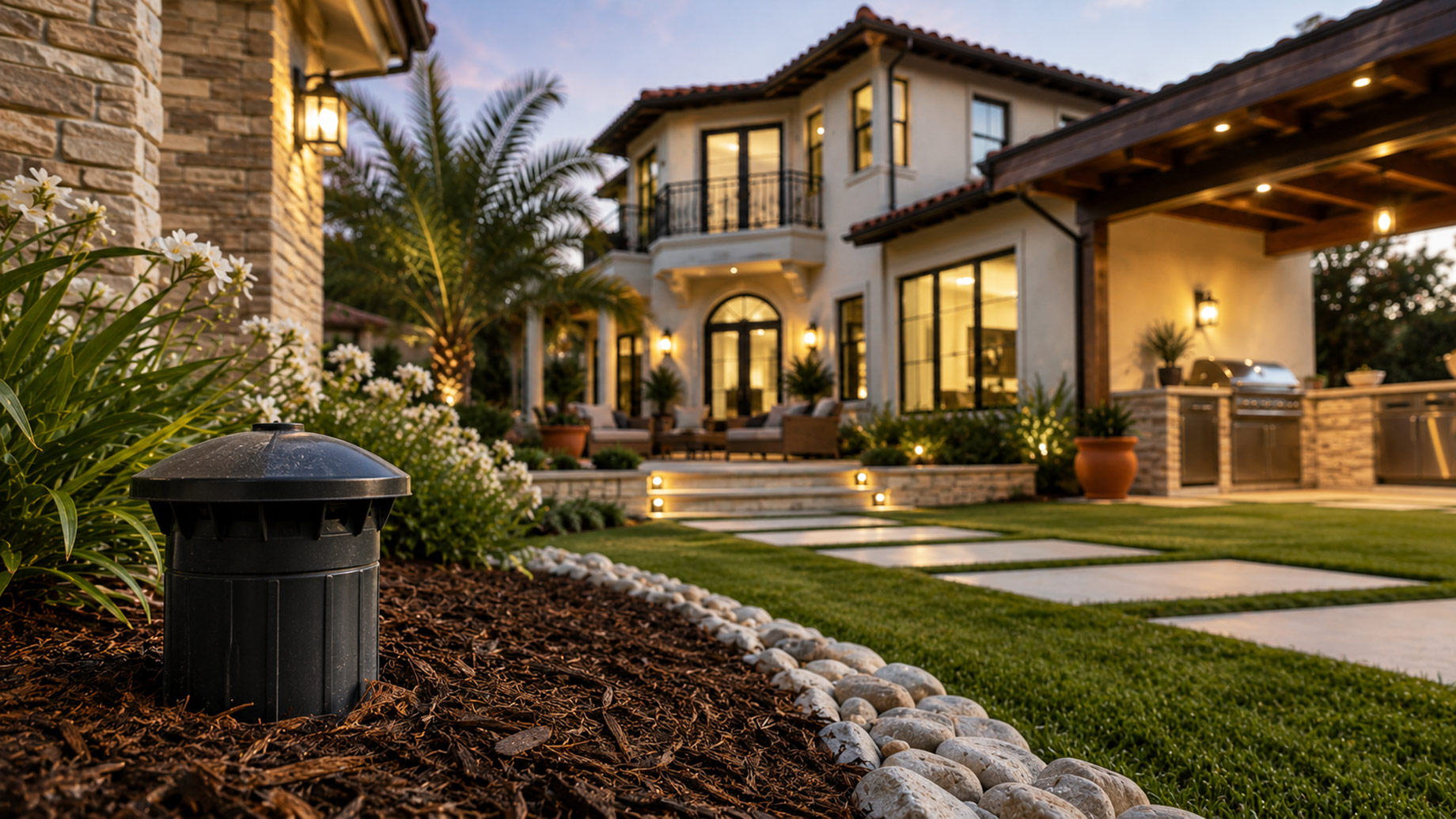
Luxury homes are built to impress, with rich woodwork, expansive layouts, and outdoor living spaces that rival the interiors themselves. Yet all that craftsmanship comes with a hidden vulnerability. Wood, no matter how finely milled or expensively finished, remains a food source for termites. In a region like Southern California, where subterranean termite activity is well documented and drywood termites are common in older or wood-heavy construction, high-value properties face risks that are easy to underestimate until damage becomes visible. By then, repair costs can be substantial and sometimes irreversible in terms of original craftsmanship.
The Unique Exposure of High-End Architectural Features
Premium properties often showcase design elements that standard homes simply don’t have, and many of these features happen to be especially attractive to termites. Custom millwork, imported hardwood flooring, and exposed structural beams are not just aesthetic choices; they represent large volumes of wood that, once compromised, are expensive and difficult to replace in kind. Structural framing hidden behind decorative finishes can suffer damage for months before any visual sign appears on the surface.
Outdoor living spaces add another layer of exposure. Outdoor kitchens with wood-paneled cabinetry, elevated decks, pergolas, and guesthouses are frequently constructed with materials that sit close to soil or landscaping, creating direct pathways for subterranean termites to travel from the ground into the structure. These additions are often treated as secondary spaces and inspected less rigorously than the main residence, even though they can be just as susceptible to infestation.
Why Size and Landscaping Increase the Risk of Undetected Activity
Larger homes and expansive estates inherently create more opportunities for termite colonies to establish themselves without being noticed. A sprawling floor plan means more square footage of framing, subflooring, and trim that a homeowner may never closely inspect. Detached garages, wine cellars, home offices, and multi-level guest quarters all add complexity to a property, and each additional structure is another potential entry point.
Landscaping compounds this challenge. Mature trees, mulch beds, irrigation systems, and decorative wood features such as trellises or garden borders create moisture-retentive environments that termites favor. Homeowners searching for reliable Anaheim pest control support often discover, once an inspection is underway, that their landscaping design, however beautiful, has been quietly supporting termite activity near the foundation for an extended period. This is not a reflection of poor property care; it is simply a byproduct of how elaborate, well-irrigated landscapes function in a termite-prone climate.
Common Areas Where Damage Goes Unnoticed
Certain zones on luxury properties are especially prone to overlooked termite activity because they are rarely accessed or visually inspected during normal daily use. These include:
- Crawl spaces beneath additions or guesthouses
- Wood trim behind built-in furniture or cabinetry
- Support posts for decks, pergolas, and covered patios
- Storage areas in detached garages or pool houses
- Wood mulch or decorative wood borders touching the foundation
- Attic framing above rarely used upper floors
Because these spaces are not part of everyday movement through the home, damage can progress considerably before anyone notices sagging wood, hollow-sounding beams, or discarded termite wings near windowsills and doors.
Building a Practical Prevention Strategy
Protecting a high-value property from termite damage does not require constant intervention, but it does require consistency. Regular professional inspections remain the most reliable way to catch early signs of activity, particularly in structural areas that are difficult for homeowners to assess on their own. Trained inspectors know where to look, including foundation seams, expansion joints, and the undersides of wooden structures where moisture tends to collect.
Moisture management plays an equally important role. Termites are drawn to damp wood, so addressing irrigation overspray, poor drainage near the foundation, and leaking outdoor plumbing fixtures can meaningfully reduce risk. Property owners evaluating pest control options often find that moisture correction recommendations are just as central to a termite prevention plan as the inspection itself, since dry wood is naturally more resistant to sustained termite feeding.
Monitoring exterior wood is another practical habit worth building into routine home maintenance. Deck posts, fence lines, and any wood-to-soil contact points should be checked periodically for softness, discoloration, or small exit holes. Even a brief seasonal walk-through, paying attention to these details, can surface early warning signs before they escalate into structural concerns.
Finally, seldom-used spaces deserve deliberate attention rather than incidental notice. Guesthouses, storage rooms, and detached structures should be included in any inspection schedule rather than treated as an afterthought. Because these areas see less foot traffic, they are often where termite colonies have the most uninterrupted time to grow.
Balancing Aesthetics with Long-Term Structural Health
There is sometimes a tension between design ambition and structural caution. Homeowners understandably want expansive wood features, natural landscaping, and architectural details that give a property its character. None of this needs to be sacrificed, but it does call for a more deliberate maintenance mindset than a smaller, simpler home might require. Treating termite prevention as part of routine property stewardship, rather than a reactive measure taken only after damage appears, allows homeowners to preserve both the beauty and the integrity of their investment.
Professional monitoring programs are particularly well suited to this approach, since they create a documented history of inspections that can identify subtle changes over time. A single inspection offers a snapshot, but a monitoring relationship builds a clearer picture of how a property is holding up season after season.
Final Analysis
Luxury properties carry a level of architectural detail and landscaping complexity that makes them uniquely susceptible to slow, unnoticed termite damage. The very features that make these homes desirable, extensive woodwork, expansive grounds, and secondary structures, also create more places for termite activity to take hold undetected. A thoughtful combination of regular inspections, moisture control, exterior wood monitoring, and attention to rarely used spaces offers the most reliable path to protecting these investments. Approaching termite prevention as an ongoing practice rather than a one-time task is ultimately what separates well-maintained luxury properties from those facing costly, avoidable structural repairs down the line.
