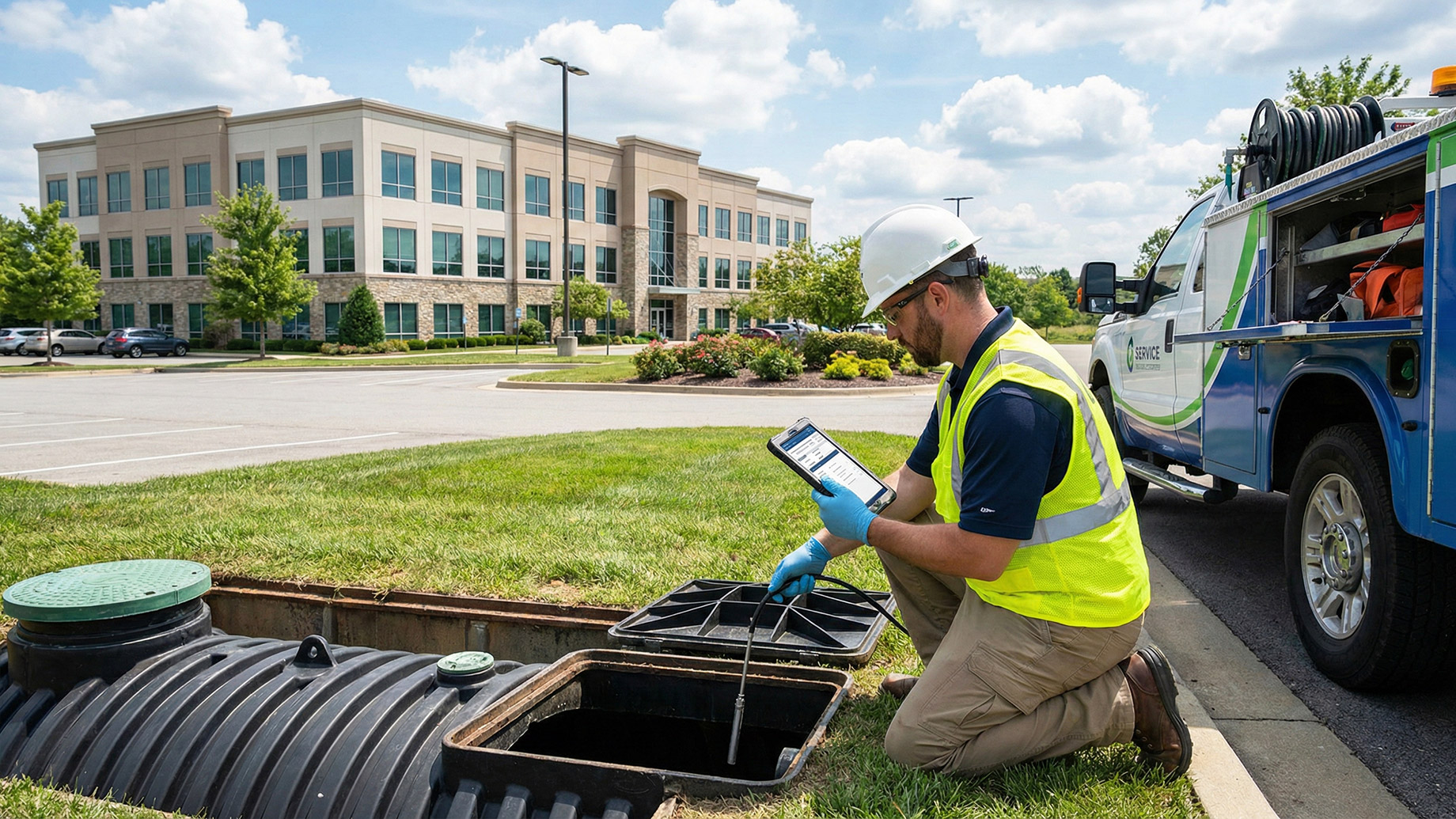
Commercial properties depend on reliable wastewater management every day. Whether you operate a restaurant, office building, retail center, warehouse, school, or multi-tenant facility, your septic system plays a behind-the-scenes role in keeping operations running smoothly. When that system is neglected, small issues can escalate into costly interruptions, health concerns, and compliance headaches. That’s why regular septic inspections are a best practice for any business that relies on an on-site wastewater system—and why working with qualified commercial septic services providers matters.
Commercial Septic Systems Face Different Pressures Than Residential Ones
A common misconception is that septic systems behave the same way regardless of where they’re installed. In reality, commercial septic systems typically process higher volumes of wastewater, experience more frequent daily use, and may handle more complex waste streams (such as food-related wastewater in commercial kitchens). Multi-tenant buildings and customer-facing businesses can also create unpredictable “surge” usage—periods of heavy flow that stress the system.
This increased demand means that wear and tear can happen faster, and minor issues can compound quickly if they aren’t detected early. Routine inspections provide a clear look at how the system is performing, helping owners avoid surprise failures.
What a Regular Septic Inspection Actually Checks
A professional inspection is more than just “looking around the tank.” A thorough commercial septic inspection generally evaluates:
- Tank condition and liquid levels to spot signs of overfilling or abnormal flow
- Sludge and scum layers to determine whether pumping is needed
- Inlet/outlet baffles or tees to ensure proper wastewater movement
- Signs of leaks, corrosion, or cracks that could lead to structural failure
- Drainfield performance (wet spots, odors, slow absorption)
- Pumps, alarms, and filters (for systems that include them)
- Evidence of improper use like grease buildup, wipes, or non-biodegradable waste
These checkpoints help identify problems early—before they become emergencies that disrupt business.
Why “Waiting for a Problem” Costs More
When a septic issue becomes noticeable, it’s often already progressed. For example, backups, slow drains, sewage odors, or wet areas near the drainfield may signal that the system is overloaded or failing. At that point, remediation can be expensive and disruptive.
Regular inspections help detect warning signs sooner, such as rising tank levels, early drainfield stress, or damaged components. Addressing those issues proactively—through pumping, cleaning, component replacement, or usage adjustments—can be far less costly than emergency repair or full system replacement.
Compliance and Liability Considerations for Businesses
Depending on your industry and location, your property may be subject to inspection requirements, pumping schedules, or wastewater rules. Restaurants, medical facilities, schools, and other high-use operations may face additional scrutiny due to public health concerns. Even when regulations are not strict, liability still exists: wastewater mishandling can create sanitation risks, customer complaints, employee safety issues, and environmental harm.
Documented inspections and maintenance records can help demonstrate responsible operations, which is especially helpful when dealing with regulators, property transactions, lease agreements, or insurance claims.
How Often Should Commercial Septic Systems Be Inspected?
There is no universal schedule because usage varies widely. A small office building may need fewer checkups than a busy restaurant. That said, many commercial properties benefit from at least annual inspections, with higher-use facilities scheduling them more frequently (for example, semi-annually or quarterly). A qualified provider can recommend an interval based on:
- Daily wastewater volume
- Number of employees/customers served
- Type of waste (food service vs. office use)
- System design (tank size, pumps, drainfield type)
- Past maintenance and performance history
Simple Practices That Reduce Septic Stress Between Inspections
Alongside professional inspections, businesses can reduce risk with operational habits such as:
- Training staff on what should not go down drains
- Preventing grease and food solids from entering plumbing lines
- Fixing running toilets and leaks quickly (constant flow overloads tanks)
- Scheduling pumping before peak seasons (for seasonal businesses)
- Keeping vehicles and heavy equipment off drainfield areas
These steps help protect system capacity and reduce the chance of unexpected issues.
The Role of Commercial Septic Services Providers
Qualified commercial septic services providers don’t just respond to emergencies—they help businesses maintain predictable operations through inspections, scheduled pumping, cleaning, and system monitoring. The goal is straightforward: catch issues early, maintain proper function, and reduce long-term costs and downtime.
For businesses that rely on septic, a consistent inspection plan is one of the simplest ways to avoid disruption, protect public health, and extend system life.
