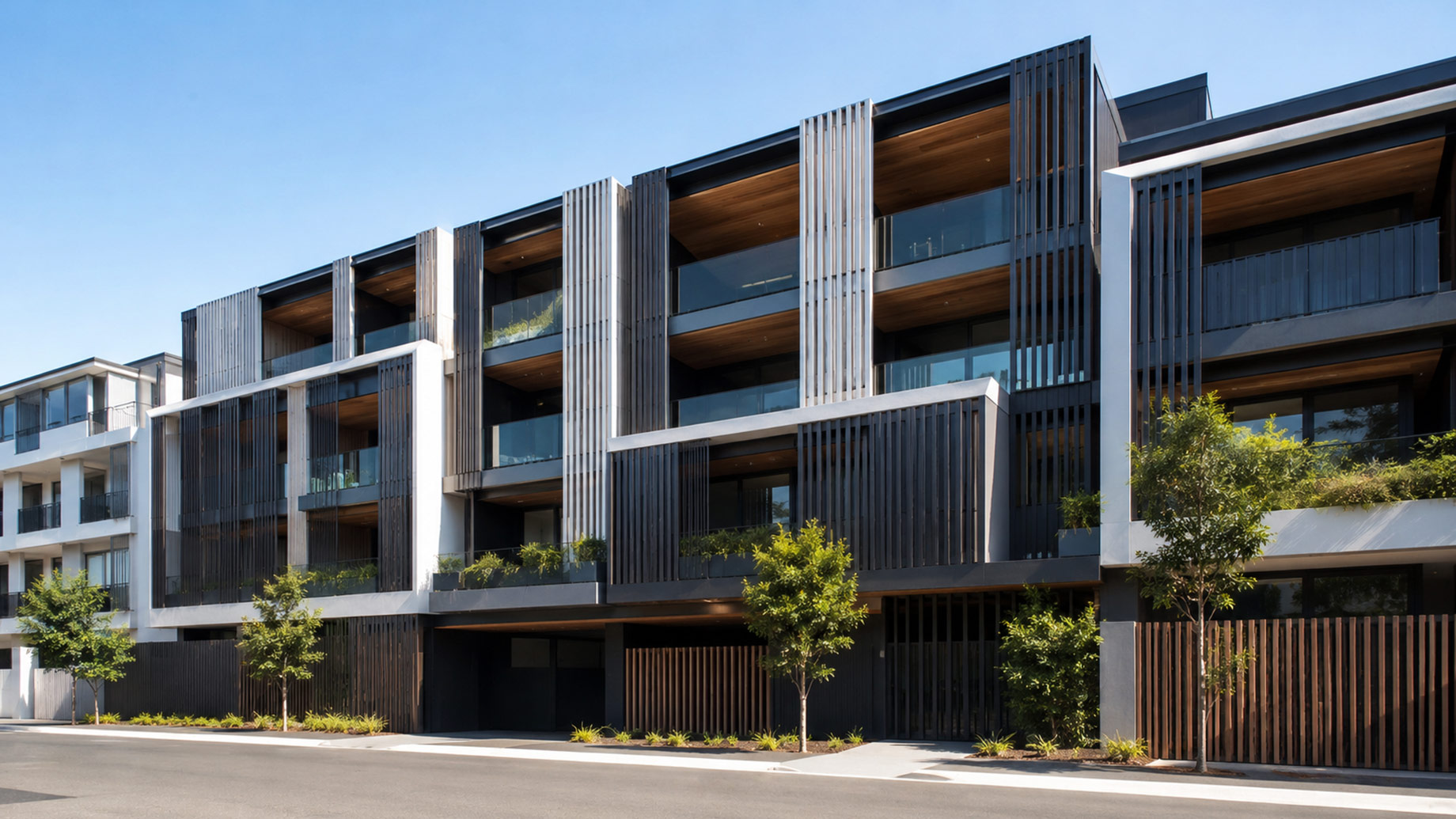
Key Highlights
- Aluminium louvre panels in Australian projects value clean lines, airflow, and strong visual appeal in modern architecture.
- They help Australian homes balance natural light, privacy, and effective ventilation without closing up spaces.
- Their low-maintenance finish supports long-term energy efficiency and reduced reliance on mechanical systems.
- Elipso systems offer flexible design options for façades, balconies, windows, and commercial developments.
- Custom colours, blade layouts, and security features make them practical for residential and commercial use.
Introduction
In modern Australian design, performance matters just as much as appearance. That is why aluminium louvre panels Australia buyers keep choosing them for homes, apartments, and commercial buildings. They fit the clean lines of modern architecture while helping Australian homes manage light, airflow, and privacy. If you want a solution that looks refined and works hard in daily conditions, aluminium louvre panels stand out for very practical reasons. This growing demand becomes even clearer when you look at how they spread across the country.
The Rise of Aluminium Louvre Panels in Australian Architecture
Across Australian architecture, aluminium louvre panels in Australia have grown because they solve more than one design problem at once. They support airflow, soften strong sunlight, and add privacy without making a building feel closed in. That mix suits modern louvres and the clean lines many designers want today. Just as important, they work across homes, apartments, and large commercial projects. Elipso systems are made locally for Australian conditions, which gives builders and architects confidence. To understand why demand keeps rising, it helps to look at where these products came from and why the market shifted toward them.
Historical Context and Their Emergence Across Australia
Historical context is important. Aluminium louvres became popular in Australia as buildings required better airflow, screening, and weather protection without sacrificing visual appeal. Quality louvre systems met these needs while keeping façades tidy.
Traditional materials needed more upkeep, especially in coastal and high-exposure areas. Australian aluminium offered durability, a lighter structure, and versatile finishes for both residential and commercial projects.
Architects increasingly chose aluminium louvres for windows and façades because they delivered function and a modern look.
Why Aluminium Louvre Panels Are the Preferred Choice in Modern Construction
Aluminium louvre panels are ideal for modern construction, meeting both practical and aesthetic needs. Builders prefer products that install easily, are durable, and enhance design qualities that aluminium frames deliver across windows, balconies, façades, and screens.
Aluminium’s low maintenance is a major advantage. Unlike materials that warp or require frequent upkeep, aluminium stays reliable, simplifying management for homeowners and developers.
Key benefits:
- Strong frames for homes or large projects
- Minimal maintenance compared to other materials
- Enhanced privacy and security with lockable blades and screens
These features align with what Australian buyers value most.
Benefits of Aluminium Louvre Panels Australia
The biggest benefits of aluminium louvre panels that Australian property owners notice are comfort, durability, and easier light control. In Australian homes, they support airflow and shading in a way that feels practical every day. That matters whether you are designing a new build or improving existing louvre windows.
There is also a strong energy efficiency case. By helping manage heat gain and ventilation, these panels can reduce pressure on cooling systems. The next sections break down how they handle local weather and support passive performance.
Durability and Weather Resistance for Local Climate
Australia asks a lot from exterior building products. From coastal exposure to severe storms, durability and weather resistance are not optional. Aluminium louvre panels are made for these harsh conditions, especially when engineered locally for the Australian climate.
Specialist blade design improves rigidity and weather resistance, while felt seals reduce rattle in everyday use. That attention to detail helps the system perform consistently.
The hardware also matters. Fixings made from 304/316 Marine Grade Stainless Steel add strength in demanding environments. For higher-risk sites, cyclone louvres are engineered for extreme conditions. So yes, aluminium louvre panels are suitable for many weather conditions across Australia when the right system is chosen for the project.
Enhanced Energy Efficiency and Passive Cooling
Energy savings often come from better control, not just larger equipment. Aluminium louvres support passive cooling by boosting airflow and reducing solar heat gain before it enters a building—helping cut energy use in warmer months.
Instead of relying solely on mechanical systems, you can position louvres to limit heat while letting in fresh air. This benefits homes, offices, and outdoor spaces where comfort shifts quickly with sun exposure.
Here’s how they help:
| Feature | Benefit |
|---|---|
| Adjustable blades | Control the sun and airflow |
| Air movement support | Boosts passive cooling; reduces need for active cooling |
| Solar moderation | Cuts solar heat gain and indoor heat build-up |
| Diffused daylight | Maintains visibility without glare |
| Comfort control | Can lower energy costs over time |
This balance of comfort and efficiency also expands design possibilities.
Design Versatility for Modern Australian Buildings
One reason designers keep specifying these systems is their design versatility. Aluminium louvres work across commercial developments and residential projects without looking forced. They can screen plant areas, shape façades, improve balconies, and support privacy while maintaining aesthetic appeal.
You also get flexibility in finish, blade direction, and overall configuration. That makes them useful for both subtle upgrades and major architectural statements. The following sections show how customisation and style come together in real projects.
Customised Solutions for Residential and Commercial Spaces
No two buildings have the same needs, which is why customised solutions matter. Elipso louvres are tailored to suit builders, architects, and property owners working on residential projects and commercial properties. That level of control supports smart design instead of one-size-fits-all products.
Customisation can cover dimensions, blade profiles, colours, and configurations. Blades can be fitted horizontally or vertically, and glass sections can be inserted above or below the mid-rail. That creates more freedom when balancing privacy, light, and appearance.
Current preferences often include:
- Matching louvre layouts to apartment balconies and façades for a uniform look.
- Using custom colour options to align with branding or residential finishes.
- Combining screening, airflow, and visual order in one integrated panel system.
This flexibility is a major reason aluminium louvres remain relevant across changing design trends.
Aesthetic Appeal and Integration With Contemporary Styles
Style is not separate from performance here. Aluminium louvre panels add structure, rhythm, and shadow lines that make a façade feel more resolved. That aesthetic appeal fits the modern look many Australian projects aim for, especially where clean lines matter.
They also integrate well with different building elements. On balconies, windows, and screened zones, louvres can soften large surfaces and conceal service areas without turning them into dead visual space. In some configurations, clear glass sections can be added to preserve openness where needed.
Privacy is another design win. Louvres screen views while still letting in breeze and light, so you gain an element of privacy without creating a heavy barrier. That is why they support both style and function in contemporary homes, apartments, and mixed-use buildings.
Functionality: Improved Ventilation and Light Control
Good design should feel better to live with. Aluminium louvre panels improve daily comfort by supporting effective ventilation, better control of natural light, and a stronger sense of privacy. The louvre blades help direct airflow and soften the harsh sun instead of blocking everything.
That matters in Australian conditions, where fresh air and shade can change how a room or outdoor area performs. To see the value clearly, look at how these systems handle privacy and climate control in practice.
Maximising Natural Light While Maintaining Privacy
Many people want more daylight but do not want to feel exposed. That is where aluminium louvre panels work well. They let you manage the amount of light entering a space while keeping unwanted sightlines under control.
In a living room, balcony, or side-facing window, this can make a big difference. You get natural light and airflow without giving up comfort. The panels screen views in a way that still feels open, not boxed in.
That element of privacy is one reason aluminium louvres suit dense residential settings and apartment buildings. They also contribute to style because the screening itself becomes part of the design. Instead of adding an afterthought, you build privacy directly into the look of the home.
Advanced Climate Control Features for Australian Homes
Climate control is not only about air conditioning. In Australian homes, aluminium louvres can reduce heat transfer, improve airflow, and make outdoor living areas more usable. That creates a more stable internal environment with less dependence on mechanical systems.
This is especially useful during warmer months, when sun control and moving air affect comfort quickly. By adjusting how much breeze and sunlight enter, louvres help spaces respond better through the day. The result is a home that feels more comfortable without overcomplicating the design.
Useful climate control benefits include:
- Supporting passive airflow to reduce pressure on mechanical systems.
- Moderating sun exposure in windows, façades, and outdoor areas.
- Improving comfort in outdoor living areas without sealing them off.
For many buyers, that practical performance is what makes the investment worthwhile.
Conclusion
In conclusion, aluminium louvre panels have become a staple in modern Australian architecture due to their remarkable benefits and versatility. They not only provide enhanced durability and weather resistance, ensuring longevity in various climates, but they also contribute significantly to energy efficiency and passive cooling. The design flexibility of these panels allows for aesthetic integration into both residential and commercial spaces, maximising natural light while maintaining privacy. As the demand for sustainable and stylish building solutions continues to grow, aluminium louvre panels stand out as an ideal choice for any architectural project. If you’re ready to enhance your space with these innovative solutions, connect with Elipso today for a consultation and discover how we can bring your vision to life!
Frequently Asked Questions
Are aluminium louvre panels suitable for all types of weather in Australia?
Yes, aluminium louvre panels are well-suited to the Australian climate when the system matches the site. Locally made products offer strong weather resistance and durability in harsh conditions, and specialised cyclone louvres are available for areas exposed to more severe weather.
How do aluminium louvre panels contribute to energy savings in homes?
Aluminium louvre panels help by reducing heat gain, improving airflow, and supporting passive cooling. That can lower reliance on cooling equipment, which may reduce energy costs over time. In short, they improve energy efficiency by managing sun, shade, and ventilation more effectively.
What are some innovative design applications of aluminium louvre panels in Sydney and other cities?
Common design applications include screening balconies, shaping façades, concealing plant rooms, and improving outdoor space usability. Aluminium louvre panels and louvre shutters are also used in apartment projects and commercial buildings where airflow, privacy, and clean visual order matter.
