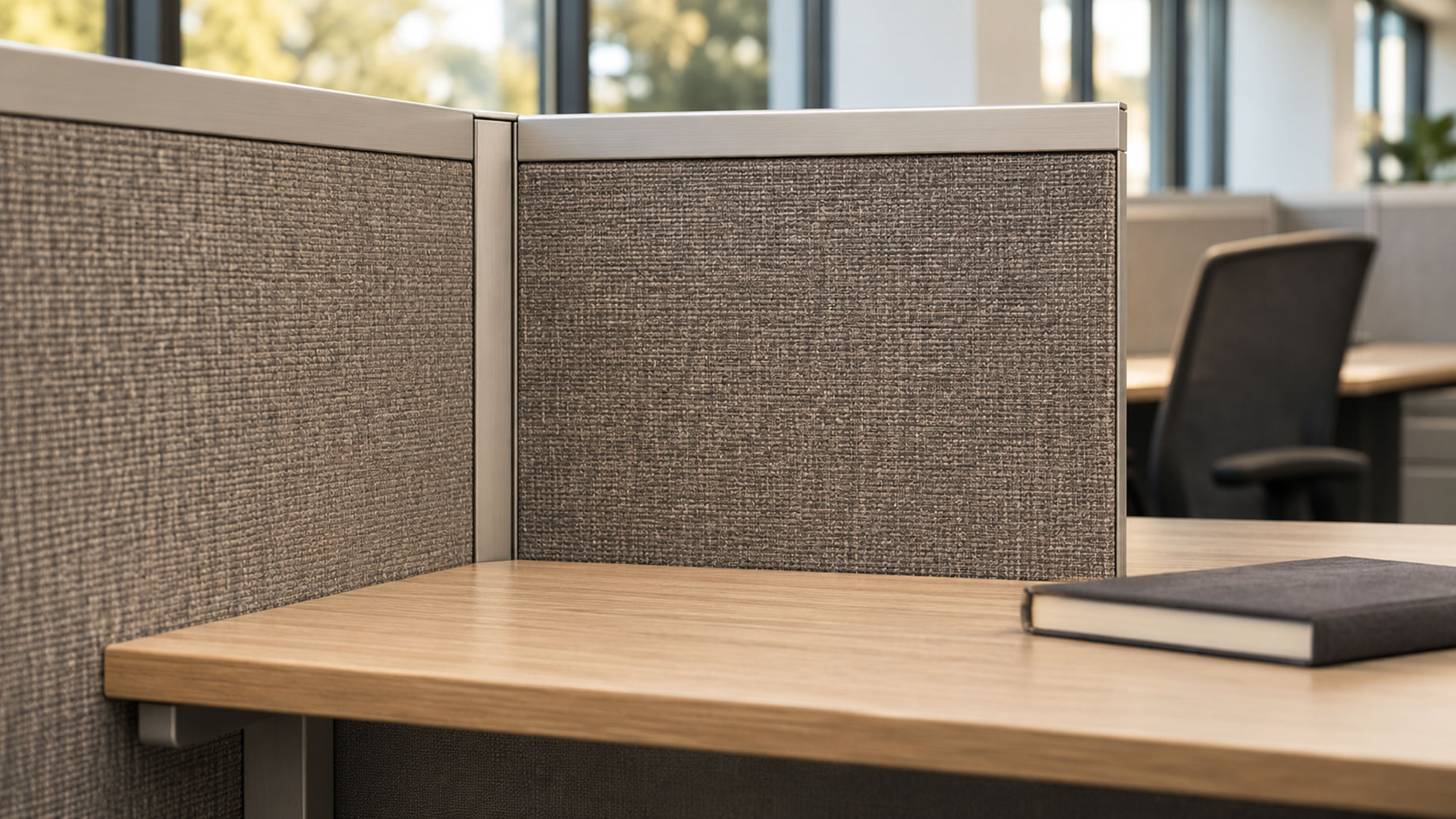
Creating an efficient office environment involves more than choosing attractive furniture. The way a workspace is arranged can influence employee productivity, communication, comfort, and even how clients perceive a business. Office cubicles remain a practical solution for companies that want to balance individual work areas with an organised, professional layout. However, purchasing cubicles without considering the details can lead to expensive mistakes, from insufficient desk space to complicated installations and unexpected delivery costs.
Whether a business is furnishing a new office, expanding an existing team, or replacing outdated workstations, careful planning makes a significant difference. Understanding dimensions, materials, finishes, functionality, and delivery requirements before making a purchase helps ensure the furniture meets both immediate and long-term needs. A well-informed decision can also prevent unnecessary expenses while creating a workspace that employees genuinely enjoy using.
Start With Accurate Office Measurements
One of the most important steps before purchasing office cubicles is measuring the available floor space. Although a workstation may appear compact in a product photograph, its actual footprint can be considerably larger once chairs, storage units, and walkways are included. Businesses should measure the entire office area and identify permanent features such as support columns, windows, doors, electrical outlets, and heating or cooling vents.
It is equally important to consider how employees will move around the office. Cubicles should provide enough personal working space without making the environment feel crowded. Main walkways, emergency exits, shared equipment areas, and meeting spaces must remain accessible. Businesses should also consider accessibility requirements when planning their layouts, ensuring that employees and visitors can navigate the workspace comfortably.
Before selecting a particular configuration, create a basic floor plan showing where each workstation will be positioned. Consider whether the office needs individual cubicles, collaborative workstation clusters, or a combination of both. Having a clear layout makes it easier to compare available options and identify furniture that fits the space rather than attempting to adjust the office around an unsuitable purchase.
Choose Cubicle Dimensions That Support Productivity
Cubicle dimensions should reflect the type of work employees perform. Someone who primarily uses a laptop may require less desk space than an employee who regularly works with multiple monitors, printed documents, reference materials, and additional equipment. Choosing dimensions based purely on the number of workstations that can fit into an office may create uncomfortable conditions that affect everyday performance.
Common workstation configurations include compact spaces measuring approximately 6 by 6 feet, standard arrangements around 6 by 8 feet, and larger workstations designed for employees who need additional room. These are general examples rather than universal standards, so businesses should always check the manufacturer’s actual specifications. Desk depth, panel height, storage placement, and chair clearance can all influence how practical a particular configuration will be.
Panel height also deserves attention because it affects privacy, communication, and the overall appearance of the office. Lower panels can create a more open atmosphere and make collaboration easier, while taller partitions provide greater visual separation for employees who need fewer distractions. The right choice depends on the company’s working style, the nature of its operations, and the level of concentration required for different roles.
Examine Materials and Finishes Carefully
The materials used in office cubicles influence their durability, appearance, maintenance requirements, and overall value. Since commercial furniture often experiences daily use by multiple employees, businesses should prioritise materials that can withstand regular wear. Metal frames, reinforced panel structures, durable laminate surfaces, and quality connectors can contribute to a workstation’s long-term reliability.
Desk finishes should also be selected with practical considerations in mind. Laminate is a popular choice because it is generally easy to clean and available in different colours and wood-effect designs. Neutral finishes can create a professional environment, while lighter surfaces may help smaller offices feel more spacious. Darker finishes can provide a sophisticated appearance, although they may show dust and certain scratches more easily depending on the material.
Fabric-covered panels offer another opportunity to customise the workspace. They can introduce colour, soften the appearance of an office, and provide some sound absorption. However, businesses should ask about fabric quality, cleaning requirements, stain resistance, and replacement options. Choosing finishes that complement the company’s existing furniture and interior design can create a consistent appearance without sacrificing functionality.
Evaluate Storage and Built-In Features
A cubicle should do more than provide a desk and surrounding partitions. Storage and built-in features can significantly influence how effectively employees use their workstations. Before purchasing, consider whether employees need filing drawers, overhead storage, shelving, keyboard trays, monitor arms, or dedicated spaces for computer equipment.
Cable management is another important consideration. Modern offices often contain multiple devices, chargers, monitors, and networking accessories. Workstations with integrated cable trays, accessible power modules, and organised wire channels can help prevent clutter and make maintenance easier. Businesses should confirm whether electrical components are included in the purchase or must be ordered separately.
Ergonomic features should also form part of the evaluation. Desk height, monitor positioning, chair clearance, and available legroom all contribute to employee comfort. Organisations may also want to consider adjustable desks or workstation configurations that accommodate different working preferences. Investing in practical features at the beginning can reduce the need for modifications after installation.
Compare New and Used Office Cubicles
Budget is often a major factor when furnishing a commercial workspace. Purchasing new furniture offers the advantage of selecting specific colours, dimensions, configurations, and finishes. Businesses may also benefit from manufacturer warranties and the opportunity to order matching components as their teams expand. However, new furniture can represent a substantial investment, particularly when furnishing an entire office.
Used office furniture can provide an alternative for organisations that want to manage costs without compromising on functionality. Many commercial cubicles are manufactured to withstand years of regular use, meaning previously owned systems may still offer considerable practical value. However, buyers should carefully inspect their condition before committing to a purchase.
When comparing office cubicles for sale, look beyond the advertised price and evaluate the complete value of each option. Check for damaged panels, worn fabric, missing connectors, unstable desk surfaces, and outdated electrical components. It is also worth confirming whether the seller has matching replacement parts available. A lower initial price may not represent genuine savings if extensive repairs or additional purchases are necessary.
Consider Flexibility and Future Expansion
Businesses rarely remain exactly the same size for long. Employees join, departments change, and office layouts evolve as operational requirements develop. Purchasing cubicles that can be reconfigured or expanded can make future changes considerably easier. Modular workstation systems are particularly useful because individual components can often be rearranged to accommodate different layouts.
Before purchasing, ask whether panels, desks, connectors, and storage units are compatible with other configurations within the same product range. This is especially important for companies that expect to purchase additional workstations over time. A system that can be expanded without replacing the existing furniture offers greater flexibility and may reduce long-term costs.
It is also worth considering how easily the furniture can be relocated. Businesses that lease office space or anticipate moving premises should look for systems that can be dismantled and reassembled without significant damage. Understanding the installation requirements and availability of replacement components can help prevent unnecessary difficulties when the office layout changes.
Understand Delivery and Installation Requirements
Delivery is one of the most frequently overlooked aspects of purchasing office cubicles. Unlike smaller office furniture items, cubicle systems often consist of multiple large panels, work surfaces, support structures, and connecting components. Their size and weight can make transportation and unloading more complicated than expected.
Before confirming an order, establish exactly what the delivery service includes. Some suppliers provide curbside delivery, while others offer inside delivery, placement, assembly, and complete installation. These services are not interchangeable. A business that assumes installation is included may discover that it needs to arrange additional labour, equipment, or transportation once the furniture arrives.
The delivery location should also be assessed in advance. Consider loading dock access, elevators, staircases, door widths, building restrictions, and any requirements for scheduling deliveries with property management. Ask the supplier about estimated delivery times, additional transportation charges, and procedures for handling damaged or missing components. Having these details confirmed in writing helps avoid confusion and allows the business to prepare its premises before the furniture arrives.
Review Supplier Reputation and Warranty Coverage
Choosing a reliable supplier is just as important as selecting the right cubicle design. A professional furniture provider should be able to explain product specifications, provide accurate measurements, clarify material options, and answer questions about installation. Clear communication is particularly important when purchasing several workstations or placing a large commercial order.
Businesses should review customer feedback and look for evidence of consistent service. Pay attention to comments about product quality, delivery reliability, installation standards, and how suppliers handle problems. If possible, request photographs of completed installations or visit a showroom to examine the furniture before purchasing.
Warranty coverage should also be reviewed carefully. Ask which components are covered, how long the warranty lasts, and whether it includes structural defects, surface damage, or electrical accessories. Businesses purchasing used cubicles should establish whether any existing warranty remains valid. Understanding these conditions before completing the transaction makes it easier to evaluate the supplier’s overall offering.
Calculate the Total Cost of Ownership
The advertised purchase price is only one part of the overall investment. Businesses should calculate the total cost of ownership by including delivery, installation, additional accessories, electrical components, taxes, and any necessary modifications to the office. This provides a more realistic comparison between different suppliers and product configurations.
Maintenance costs should also be considered. Durable finishes, replaceable components, and readily available accessories can make a workstation more economical over several years. For example, a cubicle system with replaceable fabric panels may be more practical than one that requires complete panel replacement when the covering becomes worn.
It is also useful to consider the cost of purchasing too little furniture or choosing an unsuitable layout. If employees lack sufficient desk space or storage, the business may eventually need to replace or supplement the original purchase. Planning for actual workplace requirements rather than focusing exclusively on the lowest initial price helps protect the investment.
Make an Informed Purchase for a Better Workplace
Buying office cubicles is an investment in the everyday working environment. The right furniture can create a more organised office, provide employees with comfortable individual spaces, and support collaboration without sacrificing productivity. Achieving these benefits requires attention to details that may initially seem minor, including measurements, panel finishes, storage options, cable management, and installation requirements.
Businesses should approach the purchasing process with a clear understanding of their available space, employee needs, budget, and future plans. Comparing suppliers, examining materials, checking warranties, and confirming delivery arrangements can prevent costly surprises. It is also important to look beyond appearance and consider how well each workstation will perform under everyday working conditions.
