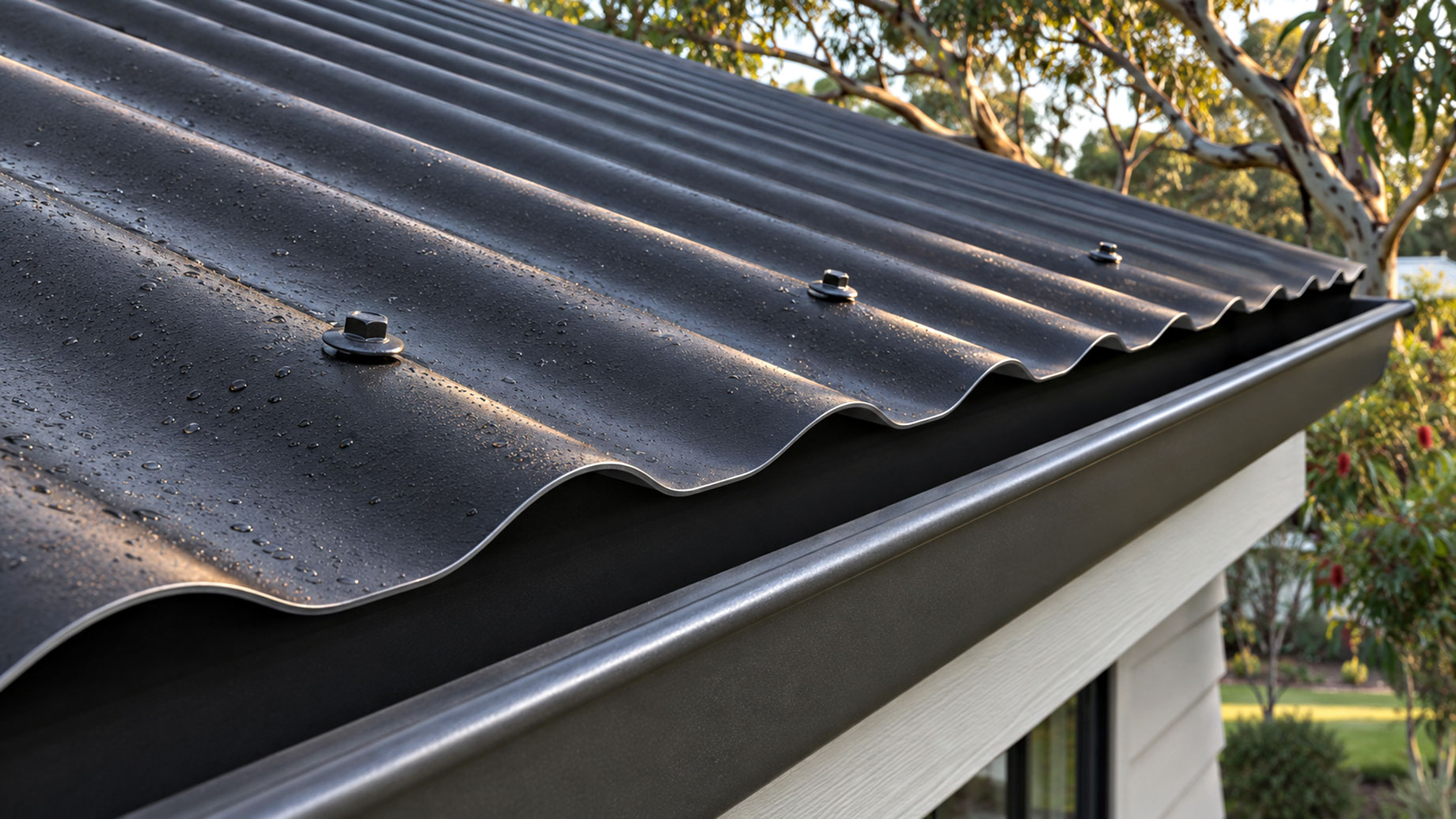
Choosing steel roof sheeting involves more than picking a colour or comparing quotes. Roof pitch, local weather, existing framing, and how rainwater leaves the roof all affect whether a profile suits a home. A sound choice also depends on coating, installation details and future maintenance. Before committing, homeowners should check the roof’s condition and the full scope of supply, starting with a profile that fits the roof’s shape and intended use.
Match Profile to Roof
Before comparing quotes, identify the roof’s pitch, span and existing drainage points, since these shape which profiles are suitable. Homeowners researching steel roof sheeting can use ClickSteel as a reference point while checking what information suppliers need to price a project. Record the preferred profile, finish and delivery access so each quote covers the same scope.
Roof geometry guides how sheets meet, where water flows and how edges are finished. A profile suited to a simple roof may not suit a design with valleys, hips or several joins. Check the product guidance against the actual roof shape, then confirm that the proposed flashings and ridges suit those details.
Assess Weather Exposure
Local conditions affect the demands placed on roofing. Coastal air, heavy rain, strong winds and intense sun each influence the material and installation choices. Consider the home’s exposure rather than relying only on broad regional descriptions.
Ask the supplier or installer which materials and fixing approach suit the site. Homes in exposed areas need particular attention to edge details and fasteners. Keep any advice tied to the roof’s location and design, and check whether local building requirements affect the specification.
Compare Coating and Finish
Steel sheets have protective coatings and finished surfaces that affect their corrosion resistance and appearance over time. Check what coating is specified, what conditions apply to its warranty and what care the surface requires. Don’t assume two sheets with a similar appearance have the same protection.
Also consider nearby sources of moisture or debris, such as trees, gutters and other building materials. These can affect maintenance needs. Ask how to clean the roof and which substances or tools to avoid, then keep the care instructions with the project documents.
Plan Colour in Context
A roof colour should suit the home’s exterior, including walls, gutters, fascia and nearby structures. View colour samples in daylight and consider how the roof will look beside existing finishes. A small sample gives a better sense of tone than a screen image.
Colour can also affect how much heat the roof absorbs, but the result depends on the full roof assembly and site conditions. Ask how the chosen finish works with insulation and ventilation. Treat colour as one part of the comfort decision, not a substitute for checking those elements.
Check Runoff and Details
A roof needs a clear path for water to reach gutters and drains. Confirm how the selected profile handles runoff and where valleys, ridges and flashings sit. Poorly matched components can leave gaps or direct water towards vulnerable parts of the home.
Check whether the quote includes the required flashings, fasteners and other accessories. Ask who confirms quantities and measurements before ordering. Clear responsibility for these details reduces the chance of missing parts or avoidable delays during installation.
Confirm Installation Requirements
Steel roof sheeting must suit the supporting structure and the installation method. Have the framing checked before ordering, especially if the project involves replacing an older roof or changing its layout. An installer can identify details that affect sheet lengths, joins and fixing positions.
Confirm the installer’s experience with the selected profile, and ask what site preparation is needed. Discuss access, removal of existing materials and protection of the property. Agree on who checks the finished work and how any concerns will be handled.
Compare Complete Quotes
A useful comparison looks beyond the sheet price. Check whether each quote lists the same profile, coating, colour and included components. Compare delivery, unloading arrangements and any charges that depend on the site. Scope differences can explain why totals vary.
Ask for a written breakdown and clarify what the homeowner must supply separately. Check lead times against the project schedule, and confirm how measurement changes affect the order. A direct comparison makes the trade-offs clearer before you place a deposit or order.
Conclusion
The right steel roof sheeting matches the home’s roof shape, site exposure and drainage design, while fitting the project’s budget and installation plan. Before ordering, gather roof measurements, photos of complex details, and notes on site conditions. Use these to ask suppliers for comparable specifications and a complete component list. If any profile or coating detail remains unclear, resolve it with the installer before cutting or delivering materials.
