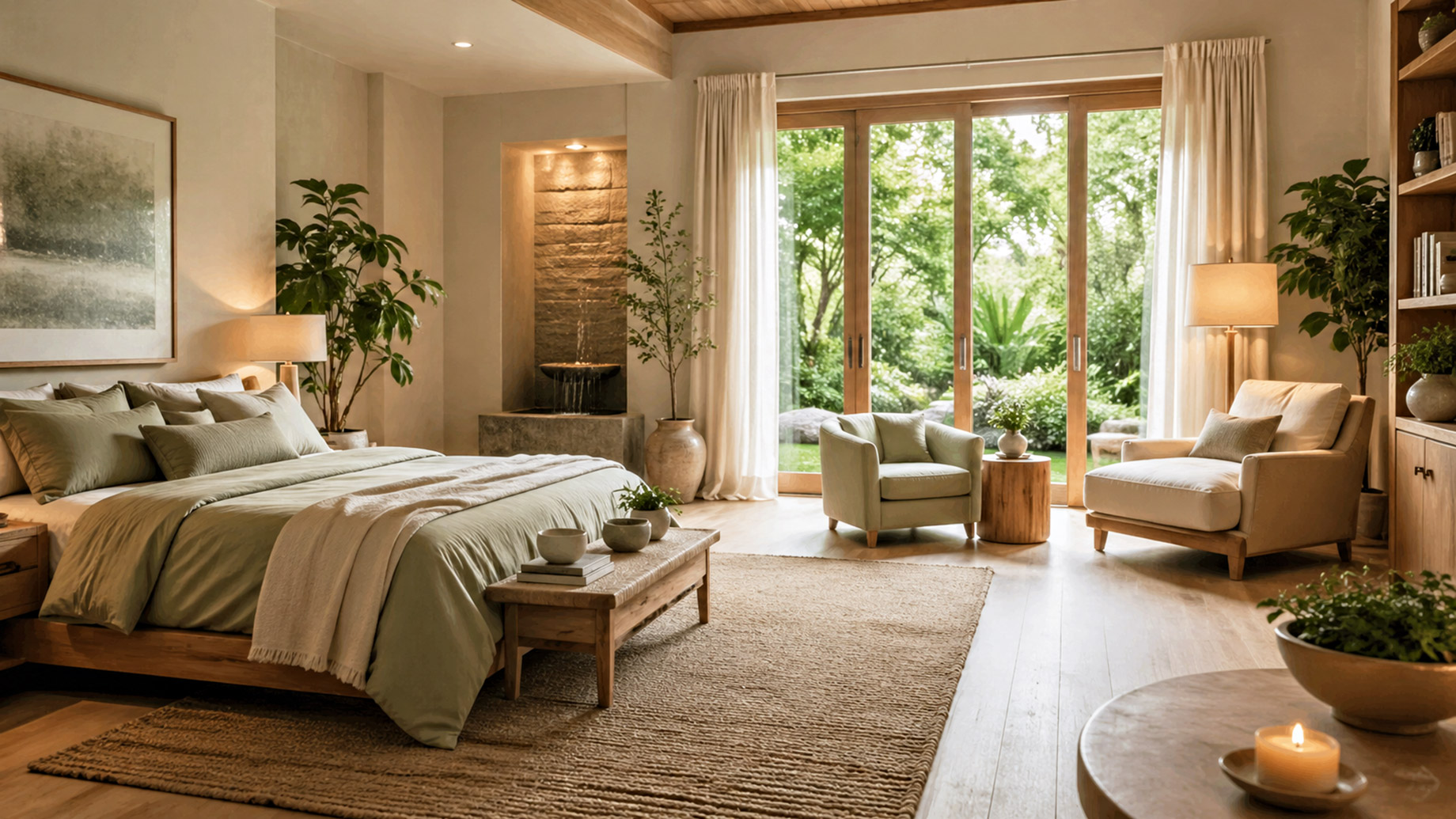
Wellness starts where you spend the most time. A room influences how you feel and how fast you heal. Designing for health means looking at light, air, and sound freshly. Take a look at some changes to help you relax and recharge after a long day.
The Power Of Natural Light And Views
Natural light is a primary ingredient in any healing space. Sunlight helps your body maintain a steady sleep cycle and improves your mood. Big windows let you see the world outside and feel connected to nature. Large panes of glass invite the sun to fill the corners of your home.
Bringing nature into clinical spaces can lower mortality rates, and patients recover much faster when they have a view of the outdoors. Apply this same idea to your bedroom or home office. Seeing trees and grass helps you feel grounded and calm.
Sunlight provides Vitamin D and keeps your energy levels high during the winter. Using light colors on your walls reflects that natural light deep into the room. Dark rooms can feel heavy or sad.
Integrating Natural Elements Into Every Room
Planning a home means thinking about how every square foot serves your needs. When you invest in a professional for Western Springs home additions, you can incorporate healing features into the very bones of the structure. New rooms provide the perfect chance to add large glass doors and natural flooring. Wood and stone bring a sense of the outdoors into your living area.
Indoor plants clean the air and provide a pop of green color. Potted herbs in the kitchen or a fern in the bathroom change the energy of the room. Touching natural textures like grain in wood feels better than cold plastic. Natural materials age well and bring a timeless feel to your home.
Managing Noise Levels For Peace
Quiet spaces are necessary for mental clarity and rest. Echoes and loud noises from the street can keep your brain on high alert. Soft surfaces soak up sound and create a buffer against the outside world. Rugs and heavy curtains can dampen noise.
Modern interiors now use surfaces made from recycled materials to absorb sound. Using these sound-absorbing panels stops echoes and creates a quieter environment. Excessive noise causes higher stress and poor sleep. Controlling acoustics makes a room feel private and safe.
Use white noise machines to mask unpleasant sounds. Water features like a small fountain offer a gentle background hum. This sound reminds people of a babbling brook or falling rain and covers up the sound of traffic or noisy appliances.
Designing For Control And Support
When designing for control, you should be able to change the lighting or temperature to suit your mood. Fixed environments can feel restrictive and cause extra frustration. Movable furniture allows you to adjust the layout for different activities.
A good design should help people feel in control of their space. Having a chair that is easy to move or a dimmable light gives you a sense of power. Better control reduces the feeling of being trapped.
Create spots that encourage people to sit together and talk. A circular table or a cluster of soft chairs makes conversation feel natural. Everyone needs a private nook to get away from the crowd.
Layout Tips For Healthy Movement
Wide walkways prevent a space from feeling cramped or cluttered. Leave enough room to walk around furniture without bumping into corners. Clear paths make a home safer for everyone who lives there.
- Place high-traffic items in easy-to-reach spots
- Keep floor areas clear to prevent trips and falls
- Group furniture to encourage face-to-face talk
- Leave space near windows for easy access to fresh air
Walking through your home should not require you to squeeze through tight gaps between the sofa and the wall. Clutter builds up stress and makes it hard to focus on your tasks. A clean layout helps you breathe easier and move with confidence.
Choosing Calm Colors For Your Walls
Color has a direct impact on your nervous system. Bright reds and oranges can be exciting but may prevent you from relaxing. Soft colors like pale blue or sage green are better for resting, as they mimic the sky and the leaves on the trees.
Neutral tones do not fight for your attention when you are trying to sleep. You can add small bits of color with pillows or art. This keeps the room from looking boring and maintains a peaceful vibe.
Avoid using too many patterns in a single area. Busy walls can make your eyes feel tired, and your mind feel scattered. Stick to one or two main colors to keep the design cohesive. A simple palette makes it easier to change your decor later.
Lighting Strategies For Better Sleep
Harsh overhead lights can disrupt your rest and keep you awake. Try to use layers of light instead of just one big bulb. Warm tones are better for the evening hours as you wind down.
- Install dimmers to adjust brightness levels throughout the day
- Use floor lamps for a soft glow in the corners
- Keep blue light away from the bedroom at night
- Add task lighting for reading or cooking to avoid eye strain
Smart bulbs can change the color temperature with your phone. Set them to mimic the sunset as the evening goes on, and your brain knows it is time to produce sleep hormones. Good lighting design is a secret weapon for better health.
The Impact Of Air Quality
Open windows whenever the weather allows to clear out stale air. High-quality filters in your cooling system catch dust and pollen before they enter your lungs. Breathing clean air helps you think faster and stay healthy.
Some building materials can release gases into the air. Choose paints and glues that have low fumes to keep your indoor air pure. Adding a few air-purifying plants acts as a natural filter for your living space.
Humidity levels matter for your comfort and health. Air that is too dry can irritate your throat and skin, and when it is too damp can cause mold growth in the walls. A simple monitor can help you keep the moisture levels in a safe range.
Transforming your space into a healing one takes time and patience. Start with one small corner and grow from there as you learn what works. You will notice the change in your mood almost immediately. A home that supports your health is the best investment you can make for your future.
