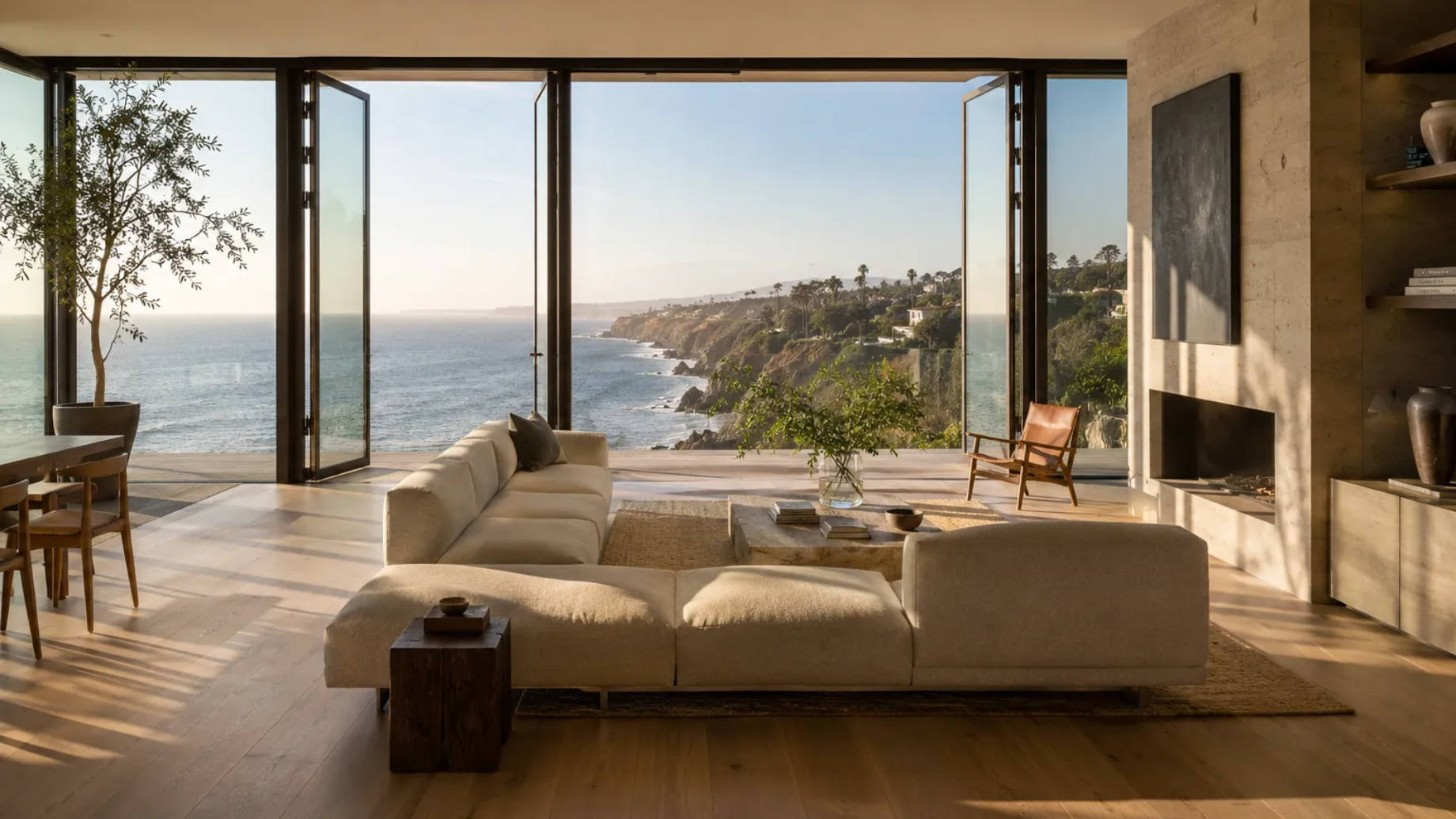
Walk through any high-end home and your eye goes to the obvious things first. The kitchen island cut from a single slab of stone. The staircase that floats. The pool that seems to spill off the edge of the property. These are the features that sell magazines and win listings.
But spend a little longer in a room, and something else starts to register. The way light moves across the floor in the late afternoon. How quiet it is, even though there is a road nearby. Whether the air feels fresh or stale. None of these come from the showpiece elements. They come from the windows, and increasingly from custom swing casement windows that are built to fit the home rather than the other way around. Windows are also exactly where a lot of otherwise impressive homes fall short.
The detail buyers feel before they can name it
Most buyers cannot tell you what a good window does. They can only tell you how a room makes them feel. A space with the right glazing feels calm, bright, and effortless. A space with cheap or poorly fitted windows feels slightly off, even if the buyer never figures out why. They might blame the layout or the paint colour. The real culprit is often the thing framing the view.
This is what makes window quality such a powerful lever. It works on people below the level of conscious thought. A buyer walks in, feels good, and starts justifying the price in their head. That feeling is worth real money, and it is far cheaper to create than another bathroom or a bigger garage.
Why casement windows keep showing up in high-end builds
There is a reason architects keep specifying casement windows for projects where the budget allows for choice. A casement window swings open on a hinge, like a door, rather than sliding up and down. That single difference changes a lot.
For one, the seal is better. When a casement window closes, it presses tight against the frame, which means less air leakage, less noise, and lower energy bills. In a large home with a lot of glass, that adds up fast. For another, the sightlines are cleaner. Without the bulky central rail that sliding windows need, you get more glass and less frame, which means more light and a less interrupted view.
Then there is the way they open. A casement window can catch a breeze and direct it into the room, which makes natural ventilation genuinely useful rather than just a nice idea. For homes on the coast or in warmer regions, that matters. Buyers who have lived with stuffy rooms understand the value immediately.
Custom options take this further. Standard windows force the architecture to bend around what the factory makes. Custom casement and swing casement windows let the opening match the design intent, whether that is a tall narrow slot beside a fireplace or a wide bank of glass facing the water. If you are specifying for a project where the windows need to fit the vision rather than the other way around, custom windows give you that flexibility without compromising on the seal or the finish.
The numbers behind the feeling
It is easy to dismiss windows as a soft, aesthetic choice. The data says otherwise. Window replacements consistently rank among the home improvements with the strongest return, often recovering a large share of their cost at resale, and sometimes more in the luxury tier where buyers expect a certain standard.
Part of that is energy performance. A buyer looking at a multi-million dollar home is also looking at the cost of running it. Heating and cooling a large house with leaky windows is expensive, and buyers know it. Tight, well-made casement windows signal that the home will not bleed money once they own it. That reassurance shortens the gap between listing and offer.
The other part is perceived quality. Windows are one of the few elements a buyer touches and operates during a viewing. They run a hand along the frame. They open and close them. A window that moves smoothly and clicks shut with a satisfying weight tells the buyer that no corners were cut. A window that sticks or rattles tells them the opposite, and they start wondering what else was done cheaply.
Where owners get it wrong
The most common mistake is treating windows as a line item to be minimised rather than a feature to be invested in. On a tight build, windows are an easy place to save, and the savings are invisible on day one. The problem shows up later, when the home feels colder than it should, louder than it should, and somehow less premium than the price tag suggests.
The second mistake is mismatching the window to the architecture. A modern home with traditional windows looks confused, and so does the reverse. Buyers in the luxury market are design literate. They notice when the elements do not agree. Custom windows solve this by letting the glazing follow the style of the home rather than fighting it.
The third mistake is ignoring the view. A window is a frame, and a frame either flatters what is behind it or gets in the way. Bulky frames and awkward divisions chop up a beautiful view into pieces. Clean casement designs let the view do the work, which is the entire point of paying for a home with a view in the first place.
A quiet upgrade with a loud payoff
The appeal of upgrading windows is that it does its job without demanding attention. Nobody walks into a home and says the windows are incredible. They say the home feels bright, calm, and well built. They make an offer faster and argue about the price less. The windows did that, even though they never got the credit.
For owners thinking about resale, and for builders thinking about how to make a home feel worth its asking price, windows are one of the most efficient places to spend. They touch light, comfort, energy, and craftsmanship all at once. Few other upgrades do so much while drawing so little attention to themselves.
