Luxury homes are often associated with impressive architecture, spacious rooms, and expensive furnishings. Yet the difference between a beautiful property and a genuinely welcoming home frequently lies in much smaller details. The texture of a sofa, the warmth of the lighting, or the placement of a familiar object can transform an elegant interior into somewhere people actually enjoy spending time.
While premium materials and sophisticated design establish visual appeal, comfort depends on how a space feels during everyday activities. A perfectly arranged living room may look impressive in photographs but still lack the warmth that encourages guests to relax.
Creating an inviting luxury home involves balancing refinement with personality. Thoughtful textiles, natural materials, comfortable furniture, and meaningful decorative elements can soften formal interiors without compromising their elegance. These subtle choices often make the strongest impression on residents and visitors alike.
Soft Textiles Bring Warmth to Elegant Interiors
Luxury interiors frequently feature polished stone, glass, metal, and carefully finished wood. Although these materials create a refined appearance, combining them with softer textures helps prevent rooms from feeling overly formal.
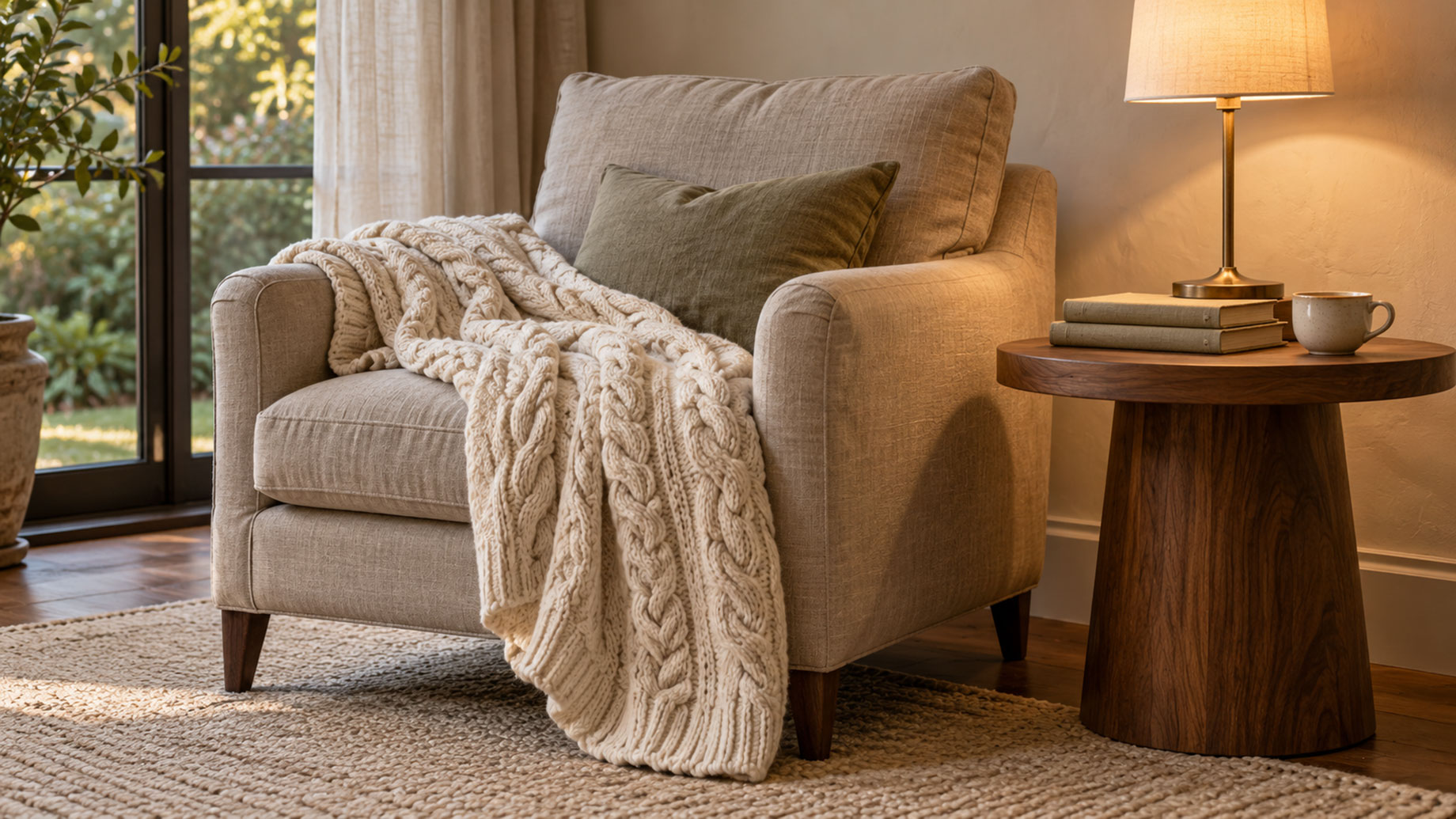
Wool throws, upholstered cushions, and textured rugs introduce comfort while adding visual depth. A thoughtfully placed blanket over an armchair can make an otherwise immaculate living room feel immediately more welcoming.
Traditional knitwear also provides inspiration for interior styling. The distinctive wool textures found in collections from https://www.aran.com/ demonstrate how classic Irish craftsmanship can bring warmth and character into everyday life. Aran knit patterns can inspire the choice of textured throws and decorative cushions that complement sophisticated residential interiors.
The key is restraint. Rather than covering every surface with accessories, homeowners can introduce a few carefully selected textiles that encourage relaxation while preserving the room’s architectural character.
Layered Lighting Creates a More Comfortable Atmosphere
Lighting is one of the most influential details in residential design, yet it is frequently approached as a purely functional requirement. A room with expensive furniture can still feel uncomfortable when illuminated by overly bright ceiling fixtures.
Layered lighting provides greater flexibility by combining ambient, task, and accent illumination. Table lamps create comfortable reading areas, while wall fixtures can highlight architectural details without dominating the entire room.
Warm lighting often works particularly well in living rooms and bedrooms, where homeowners want to establish a relaxed atmosphere. Adjustable controls allow brightness to change according to the time of day and the activity taking place.
Decorative fixtures also contribute personality. A carefully selected pendant or sculptural lamp can become an attractive focal point while providing useful illumination.
Thoughtful lighting makes sophisticated interiors feel comfortable during ordinary evenings rather than impressive only during formal gatherings.
Natural Materials Add Character Without Excessive Decoration
Natural materials have a distinctive ability to introduce warmth into contemporary luxury homes. Wood, stone, linen, and ceramic surfaces offer subtle variations in color and texture that create visual interest without elaborate decorative schemes.
A wooden dining table can soften a minimalist dining room, while natural stone introduces individuality through its unique patterns. Handmade ceramic accessories provide additional character, particularly when displayed alongside modern furniture.
The most effective interiors avoid making every material look identical. Combining smooth finishes with textured surfaces allows different elements to complement one another.
Natural materials can also strengthen the relationship between indoor and outdoor environments. Wooden details, earthy colors, and views of surrounding greenery create continuity between living spaces and the landscape.
These features help luxury homes feel connected to their surroundings rather than resembling carefully staged showrooms.
Personal Objects Make Expensive Spaces Feel Like Home
One challenge in luxury interior design is maintaining personality within highly coordinated surroundings. Professionally selected furniture and decorative collections can create visual consistency, but meaningful possessions often contribute more emotional warmth.
Family photographs, inherited furniture, travel souvenirs, and original artwork introduce stories that cannot be reproduced through standardized accessories. A favorite painting may become more memorable than an expensive decorative installation.
Displaying personal belongings successfully requires thoughtful placement. A small collection arranged on a shelf can feel intentional, while overcrowding every available surface may distract from the room’s overall design.
Books are another valuable detail. Whether displayed in a private library or beside a comfortable chair, they reflect interests and encourage everyday use of the space.
These objects allow residents to recognize their own experiences within the interior, creating a stronger sense of belonging.
Comfortable Furniture Encourages People to Stay Longer
Luxury furniture should offer more than impressive materials and recognizable designer names. The most inviting rooms contain seating that supports conversation, relaxation, and ordinary family activities.
A beautifully designed sofa becomes more valuable when its proportions suit the people using it. Supportive cushions, comfortable seat depth, and appropriate upholstery influence whether guests feel relaxed.
Furniture arrangements matter equally. Positioning chairs around a central table can encourage conversation, while smaller seating groups make spacious rooms feel more intimate.
Large living rooms sometimes benefit from several distinct areas rather than one oversized arrangement. A reading corner, conversational seating group, and convenient side tables can make different parts of the room useful.
The objective is to create interiors where people naturally want to gather instead of spaces that feel too precious for everyday enjoyment.
Thoughtful Finishing Touches Create Lasting Impressions
The smallest finishing details often reveal how carefully a luxury home has been designed. Quality door handles, attractive light switches, well-fitted curtains, and convenient storage solutions contribute to the experience of moving through a property.
Fresh flowers or greenery can introduce seasonal color, while carefully chosen scents may help establish a pleasant atmosphere. These elements work best when they remain subtle and suit individual preferences.
Practical organization is equally important. Beautiful rooms become more comfortable when everyday belongings have designated places and frequently used items remain accessible.
Ultimately, an inviting luxury home is defined by the relationship between appearance and everyday comfort. Premium materials and sophisticated architecture provide the foundation, but thoughtful details make the space feel personal.
Soft textures, warm lighting, comfortable furniture, and meaningful possessions allow elegance and relaxation to coexist. When these elements are carefully balanced, a luxury property becomes more than an impressive residence. It becomes a welcoming home that people genuinely enjoy living in.