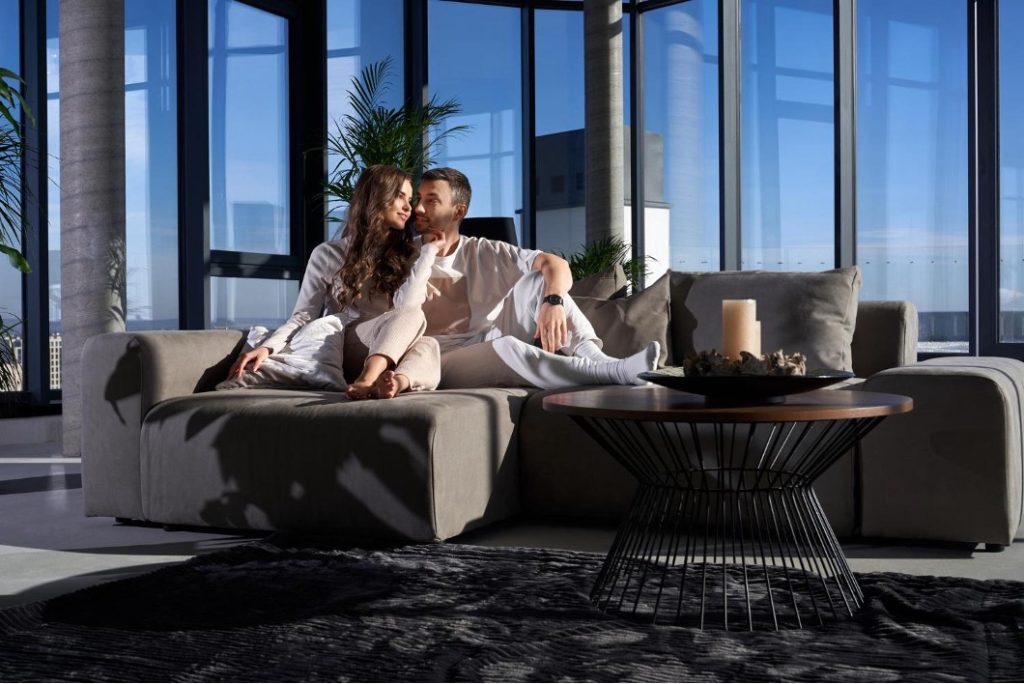
Luxury homes have long been defined by architecture, scale, materials, location, and craftsmanship. Expansive layouts, bespoke finishes, and carefully curated interiors remain essential elements of high-end living. But increasingly, they are no longer the full story.
Today, luxury is being redefined not just by how a home looks, but by how it is lived in.
The modern luxury home has evolved into a space that reflects lifestyle choices as much as design preferences. It is shaped by daily routines, personal standards, and the small, often overlooked details that determine comfort, performance, and wellbeing.
From Aesthetic to Experience
There was a time when luxury was primarily visual. Impressive facades, statement interiors, and premium materials created a sense of prestige. While these features still matter, the focus has shifted toward experience.
How does space support the way you live?
How does it adapt to your routines?
How does it enhance, not interrupt, your day?
These questions are now central to how high-end homes are designed and used. Kitchens are no longer just showpieces; they are functional environments built for both efficiency and enjoyment. Living areas are designed to transition seamlessly between work, rest, and social interaction. Even outdoor spaces are being reimagined as extensions of everyday living.
Luxury, in this sense, becomes less about display and more about integration.
The Kitchen as a Lifestyle Hub
Among all areas of the home, the kitchen has seen one of the most significant transformations. It has evolved from a purely functional space into a central hub that reflects personal habits, health priorities, and social dynamics.
In modern luxury homes, kitchens are designed not only for cooking but for living. Open layouts encourage interaction. High-performance appliances support efficiency. Storage is organised to prioritise both accessibility and aesthetics.
Within this environment, food choices themselves have become part of the lifestyle narrative.
Homeowners are paying closer attention to quality, sourcing, and nutritional value. This extends even to snacks and everyday essentials. Conversations around options like a biltong vs beef jerky comparison are no longer niche, they reflect a broader interest in understanding what is being consumed and why. The distinction between minimally processed, air-dried meats and more conventional snack options becomes part of a larger focus on intentional eating within a refined lifestyle.
In this way, the kitchen becomes more than a place of preparation. It becomes a reflection of values.
Wellness as a Design Principle
Wellness has become a defining feature of modern luxury homes, influencing both design and daily habits.
Dedicated spaces for fitness, relaxation, and recovery are now standard in many high-end properties. Home gyms, spa-like bathrooms, and quiet areas designed for rest are no longer considered extras, they are expected.
But wellness is not limited to designated rooms. It is embedded throughout the home.
Lighting is designed to support natural rhythms. Air quality systems improve comfort and health. Materials are selected not only for appearance but for how they contribute to the overall environment.
At the same time, personal wellness routines are becoming more integrated into everyday life. Products and practices that support relaxation and balance are part of how people use their space. Exploring platforms like https://cannovia.com/ often reflects this shift, where the focus is on creating moments of calm and recovery within the home itself.
The result is a living environment that actively supports wellbeing rather than simply accommodating it.
The Role of Subtle Details
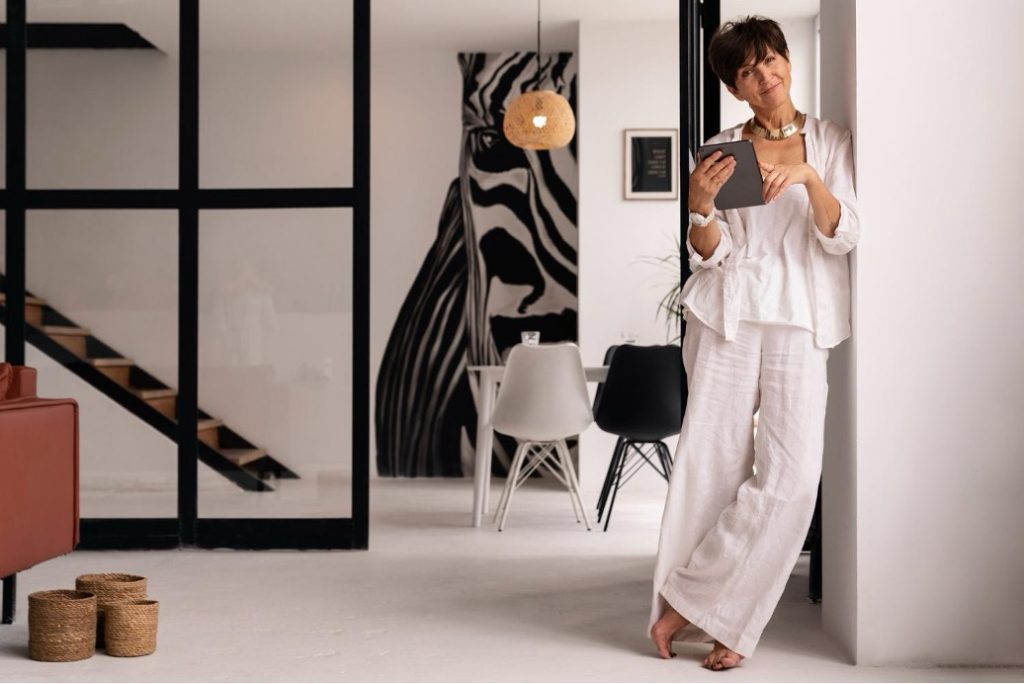
What distinguishes a luxury home today is often not the most obvious feature, but the smallest details.
The way storage is organised.
The quality of everyday materials.
The consistency between different areas of the home.
These elements do not draw attention to themselves, but they shape the overall experience. A well-designed space removes friction. It allows movement to feel natural. It reduces the need for constant adjustment. Everything works as it should, without effort.
This level of refinement requires intention. It is not achieved through individual features alone, but through how those features interact.
What Research Suggests About Modern Luxury
The evolution of luxury living reflects broader shifts in consumer behaviour. According to Harvard Business Review, modern luxury is increasingly defined by experience, personalisation, and authenticity rather than purely material indicators.
This aligns with what we see in high-end residential design.
Homeowners are less interested in standardised definitions of luxury and more focused on creating spaces that align with their specific needs and preferences. This includes everything from layout and materials to daily routines and lifestyle choices. The emphasis is moving from ownership to experience.
Designing for How Life Actually Happens
One of the most important changes in luxury living is the move toward realism. Homes are no longer designed solely for idealised scenarios. They are designed for everyday life, the way people actually move, work, and relax within their space.
This means creating environments that are adaptable. Spaces that can transition between different functions without losing coherence. Areas that support both activity and rest. It also means recognising that luxury is not static. It evolves with the people who live in it. A home that supports this evolution remains relevant over time.
A More Complete Definition of Luxury
The modern luxury home is not defined by a single feature or category. It is the result of multiple elements working together, architecture, design, technology, and lifestyle. What brings these elements together is intention.
Every choice, from the layout of a room to the selection of everyday items, contributes to the overall experience. When these choices are aligned, the result is a space that feels cohesive, functional, and distinctly personal.
This is where luxury moves beyond appearance. It becomes something that is felt in the ease of daily routines, the quality of interactions, and the sense of balance within the space itself.
Where Design Meets Living
Architecture sets the foundation. Design shapes the environment. But it is lifestyle that brings a home to life. As expectations continue to evolve, the distinction between these elements becomes less important. What matters is how they work together.
A well-designed luxury home is no longer just something to admire. It is something to live in, fully, comfortably, and intentionally. And in that shift, the definition of luxury becomes not just what you have, but how you experience it every day.