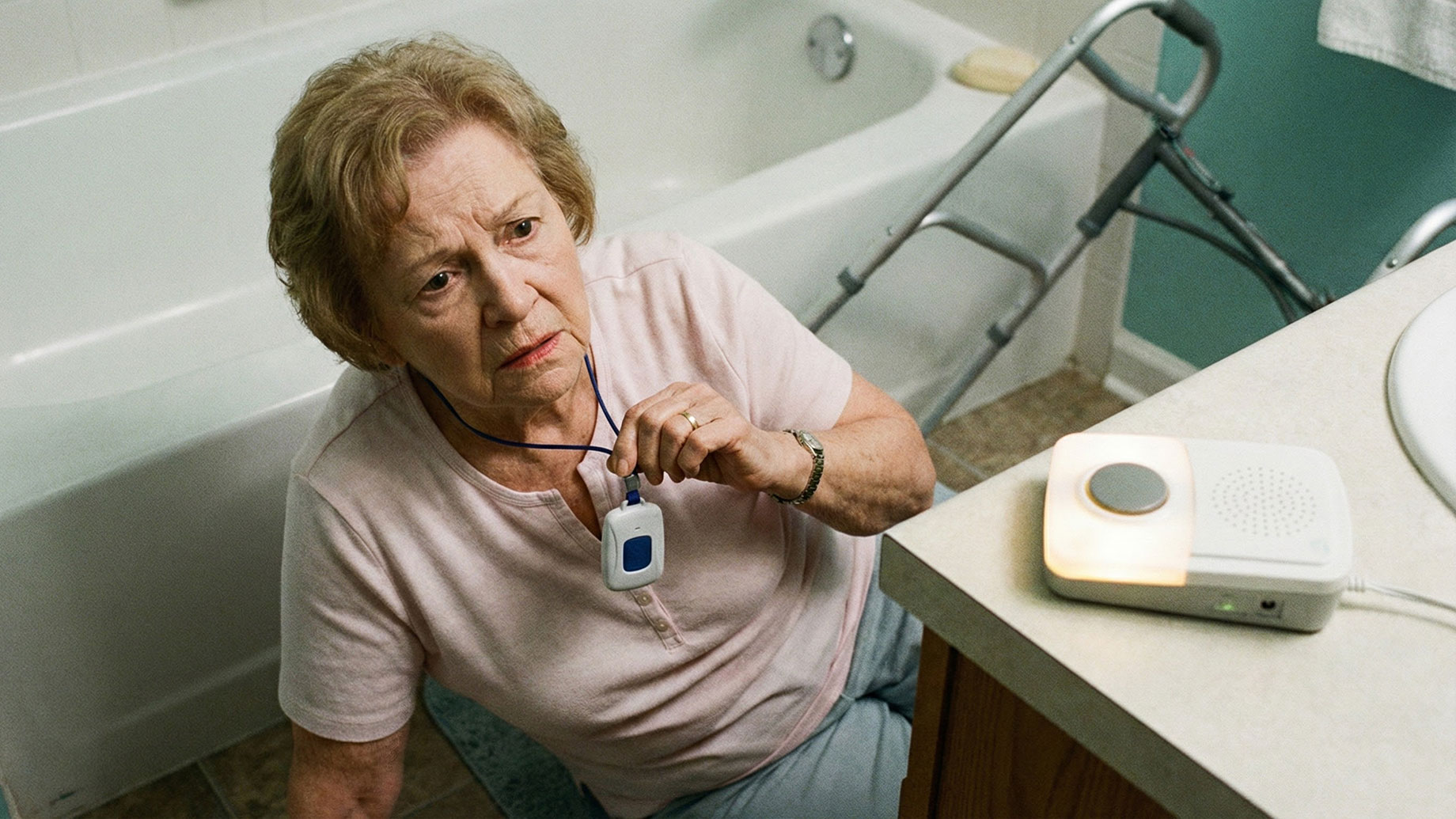
Medical alert systems shopping can lead to distracting features and promotional materials that sound good but aren’t necessary. Unfortunately, the average person does not realize that not all features are created equal when it comes to purchase, and what brochures market as necessary may not render true help when someone is lying on the floor unable to get back up.
It’s often just a few distinguishing features that make the difference between a reliable medical alert system and an expensive paperweight, and knowing what truly matters can significantly reduce the time and speed in which help is rendered versus having to wait for someone to figure out that something is wrong.
Two-Way Communication That Works Under Stress
The ability to communicate with dispatchers effectively through the system may sound like a no-brainer in terms of telecommunication, however, it’s not as easy as it sounds. Not only do individuals down on the ground from a fall or experiencing medical distress have disorienting conditions to put up with, but they might also have speakers that are either too quiet to hear or a microphone that detects voices only when they’re right up against it.
Two-way communication requires that the speaker component allows a person to hear it effectively from several feet away while simultaneously ensuring that the microphone compels a person to say something from multiple positions (on the ground, whispering, etc.). It’s unlikely that many seniors will be able to clear their throats and speak into a medical alert system from right next to its base unit.
Additionally, effective distance matters, just because the speaker is strong does not mean it has a strong range. If a person needs help in the bathroom but the unit is in the kitchen, how far will it take to get help if there’s no reception? Therefore, systems that promote effective square footage coverage should be chosen over those that assume whole-home coverage with no specifics delineated.
Fall Detection Technology (When It Works)
Automatic fall detection is another feature that gets touted on a grand level, and for good reason; when seniors fall, they may be unconscious or otherwise unable to press a button. However, that’s where the good news ends. Not all fall detection technology works the same. Some rely on motion sensors triggering detection if there’s too much force; others rely on algorithms that define falls based on speed and angle detected.
While both techniques may work, it’s important to realize fall detection isn’t 100% reliable. Slow sinks to the floor or falls onto softer surfaces aren’t necessarily detected, even with high-quality devices that boast reliability. That’s why the manual button still exists. Fall detection is an additive feature but should not be relied upon as the primary means of safety; proper education should be attained so that seniors who’ve fallen don’t assume they’ll automatically get help without an action.
GPS Tracking for When Seniors Leave the Home
Many seniors remain active and continue driving, walking or gardening; for these seniors, GPS tracking makes all the difference when it comes to medical incidents. Life Assure medical alert systems Canada includes GPS tracking features that allow responders to hone in on seniors regardless of where they are because countless medical emergencies do not happen at home.
Not only do systems need GPS tracking capabilities from within and outside of buildings, but rarely do indoor GPS tracking feature reliable precision; some systems log general areas while others can hone in on a space down to meters. When a senior falls at a store or has chest pain at a pharmacy, every second counts, and every inch of locality precision can accelerate response time significantly.
Battery life becomes vital for mobile systems. If something gets activated that requires charging every night, it’s going to be out of commission when it’s needed most. Systems that feature at least two days of battery life are ideal; in addition, those who boast standard capabilities versus GPS tracking without differential drainage are essential.
Waterproof Protection Beyond “Water Resistant”
The most significant percentage of falls occurs within bathrooms, not only is this substantiated by rumors but it’s replicated by ER data year after year. Slippery surfaces combined with toilet accidents (and stress-related conditions) contribute to too many unfortunate outcomes within bathrooms above any other locations in homes.
Therefore, waterproof protection is imperative, but it’s not enough for it to be “water resistant.” It must be proven “fully submersible” for as many people wear these necklaces/shirts in showers (where a lot of accidents occur), if it shorts out when it gets wet, it’ll be useless when it should work most reliably.
The difference between waterproof and water resistant lies within IP ratings; IPX7 or higher means the device can be submerged in up to one meter of water for up to 30 minutes. Anything less takes too many chances when lives are on the line.
Response Time and Monitoring Center Quality
It’s also vital for other information systems connected through response time; just as quickly as someone presses the button, they want someone connected rapidly, and knowing how quickly response time does occur makes all the difference between someone getting help quickly or sitting on hold in distress.
Response time boasts the time it takes for a monitoring center dispatcher to see lights flaring and respond with connected questions for efficacy. Some companies respond within 30 seconds with accuracy; others take up to a few minutes. Anyone who has ever exerted themselves or pushed a button knows that even seconds go by too slow, imagine getting a busy signal?
The monitoring center must operate 24/7 with trained professionals ready and able to approach medical challenges, not with pre-scripted answers. They need access to contact information, medications on file from previous notes taken by wellness checks and they need to know when 911 should automatically be called versus other family members first.
Some companies route calls through third-party centers or their own centers dedicated solely to their business; there’s no real difference but it’s important for users and their family members to know who is operating behind the curtain when treatment is needed.
Battery Backup for Power Outages
Power outages don’t prevent medical incidents. If anything, during bad storms, extreme inclement weather, power outages become even more probable and seniors are at more risk for anxiety-related issues, falls or accidents in the darkness.
Without battery backups, systems become irrelevant when it comes power outages, battery backups should last 24-32 hours, some host systems only provide three hours which is far too little for average outages.
The portable systems require their own separate considerations. How long do they last after a full charge? How long does it take to recharge? What warnings come when devices’ batteries get low? None of this matters if a device is dead when it needs most support.
The Features That Sound Pretty but Don’t Matter All That Much
Activity tracking, medication prompts, wellness checks, they’re beautiful features on parent appeal but they rarely help out in emergencies at all. They’re nice to have if they come included as basic appeal but these features do not matter enough to warrant extra payment.
Similarly, it’s nice to have multiple emergency contacts, five versus three, but at the end of the day, if someone’s getting wheeled into treatment, 911 is called anyway. Having backup medical professionals versus personal ones does not impact actual treatment.
What Really Matters When Help Is Needed
At the end of the day, a reliable medical alert system will do three things exceedingly well: determine legitimate situations for help (whether through button pressing or automatic fall detection), connect quickly enough with relevant supporters and enable timely dispatchers in safe locations.
Everything else works for secondary purposes; fancy techniques are beloved if they’re secondary free options, but if they detract from efficient daily workings every time, a system operates as another false sense of security instead of one that genuinely saves lives.
