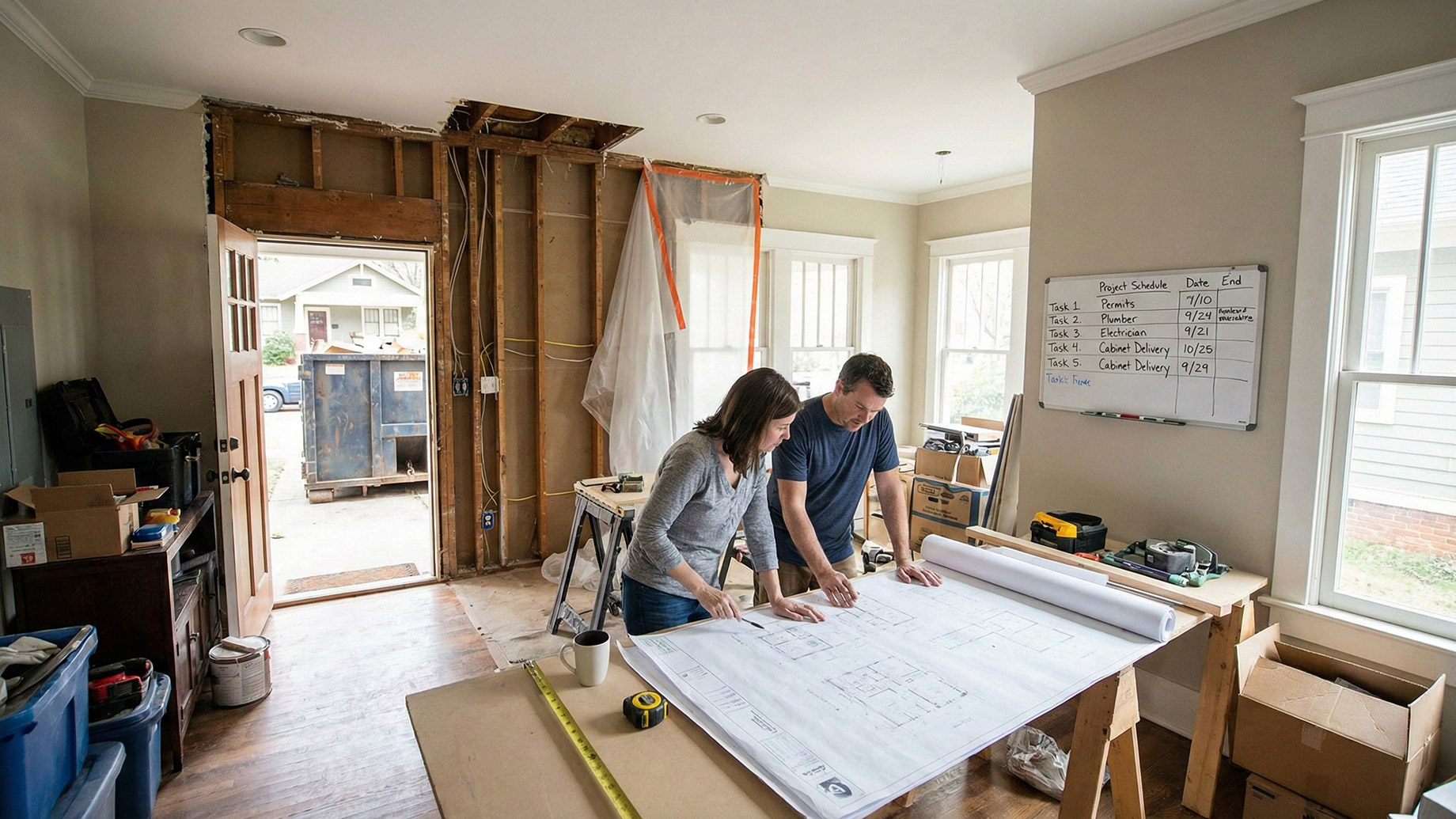
Home-improvement projects in Decatur, Georgia, often sound simple until homeowners face the behind-the-scenes details that stretch timelines and test budgets. Local neighborhoods offer older houses with charm, but they also demand careful planning because materials, contractor schedules, and municipal rules shift from block to block. Many residents feel ready to remodel a kitchen or update a bath, yet they soon discover that real progress depends on preparation that starts long before the first tool comes out. These hidden logistics shape every step of the process.
1. Planning Beyond the Pinterest Board
Most homeowners gather inspiration before calling a contractor, yet planning requires more than images and ideas. A successful project starts with an outline that covers measurements, structural limits, supply availability, and realistic sequencing. Clear planning reduces stress because it sets expectations early, keeps tasks organized, and prevents delays caused by missing details. When homeowners think through these elements, they give contractors the information needed to move efficiently. That clarity saves time, preserves budgets, and helps every decision support the overall vision for the upgraded space.
2. The Overlooked Storage Puzzle
Many people underestimate the volume of items that need temporary placement during construction, and the challenge often grows faster than expected. Homeowners in Decatur face this issue frequently because older layouts provide limited overflow capacity, and families need reliable solutions during major upgrades, which leads many to consider well-known storage Decatur Georgia service providers as a practical option. This simple step protects valuables, clears working space for contractors, and reduces the chance of damage. Decatur residents often appreciate how a dedicated unit keeps households functional and stress-free while crews manage demolition, installation, and cleanup in tight quarters.
3. Contractor Coordination That Sets the Tone
Homeowners usually secure a general contractor but overlook the effort required to coordinate specialists such as plumbers, electricians, and stone fabricators. These professionals work on different schedules, and each depends on the previous task finishing on time. Strong coordination prevents bottlenecks and ensures workers arrive ready to perform. Clear communication, consistent check-ins, and a shared timeline create flow. When everyone stays aligned, the project moves forward smoothly. This coordination also helps prevent rushed work caused by scheduling conflicts, giving every specialist room to deliver quality results.
4. Material Lead Times Few Expect
Many homeowners think materials arrive immediately after ordering, yet production cycles, shortages, and shipping delays often extend timelines. Items such as custom cabinetry, specialty tile, and engineered flooring can take weeks or months to reach a jobsite. Understanding lead times helps homeowners and contractors schedule tasks in the correct order and prevents projects from stalling. Early ordering also reduces last-minute compromises. When materials arrive as planned, crews stay productive, and workflow stays consistent. That preparation improves outcomes and maintains the momentum needed for a successful renovation.
5. Budget Buffers That Protect Sanity
Renovation budgets often fail when minor surprises stack up during demolition or installation. A buffer cushions these moments and keeps the overall project stable. Contingency funds help cover hidden wiring issues, plumbing updates, or structural adjustments that surface once walls come down. This extra room keeps the project on track without forcing stressful choices. A thoughtful buffer builds confidence because homeowners stay ready for unavoidable twists. With financial space in place, decisions feel calm and controlled rather than reactive or rushed.
6. Daily Cleanup That Shapes Progress
Construction produces dust, scraps, and packaging that accumulate quickly. Daily cleanup keeps tools accessible, reduces hazards, and prevents waste from slowing workers down. Clean spaces also help homeowners stay comfortable when they continue living in the house during the renovation. Organized crews move faster because they avoid searching for materials buried under debris. This routine also protects surfaces already completed. When cleanup becomes part of the daily rhythm, the entire project benefits from smoother movement and fewer interruptions.
7. Waste Disposal That Requires Strategy
Demolition creates piles of old flooring, drywall, fixtures, and broken materials. Homeowners often overlook the coordination needed to remove these loads efficiently. A clear disposal strategy ensures dumpsters arrive on time, placement follows local rules, and pickups do not delay crews. Efficient disposal systems free space and allow work to continue without obstacles. When waste leaves the jobsite consistently, contractors keep momentum, and homeowners avoid clutter that disrupts both workflow and daily life. This process keeps projects orderly and predictable.
8. Permit Timelines That Influence Everything
Many renovation steps require permits, and approval timelines shape the project more than most homeowners realize. Municipal offices review each submission carefully, and processing times vary throughout the year. Securing permits early prevents sudden standstills and ensures every phase meets legal requirements. Smooth permitting eliminates rework caused by missed details. When homeowners and contractors understand these timelines, they build realistic schedules and minimize stress. Proper permits also protect future resale value because finished work aligns with local standards and documentation stays complete.
9. Household Disruption That Needs Management
Renovations change daily routines, especially when construction happens near kitchens, baths, or family spaces. Noise levels, dust, and limited access require thoughtful adjustments. Clear plans for meal preparation, temporary workspaces, and safe walking paths help families maintain normalcy. Communication with contractors about daily start and end times reduces surprises. When homeowners prepare for disruption, they reduce friction and maintain a positive environment. These steps keep everyone comfortable and give crews the room they need to progress without interruptions.
10. Finishing Touches That Demand Patience
The final stages of a project often feel slow because progress shifts from major installations to detailed adjustments. Paint touch-ups, hardware alignment, grout sealing, and fixture calibration require steady, careful attention. These small steps elevate the finished look and deliver the polished results homeowners expect. Rushing the final phase can create flaws that stand out for years. Patience allows contractors to complete each detail properly. When finishing touches receive full focus, the upgraded space feels cohesive, intentional, and ready for daily use.
Hidden logistics influence every stage of home-improvement projects and shape the overall experience. Clear planning, strong coordination, and steady preparation keep renovations manageable and predictable. When homeowners understand these often-overlooked elements, every decision feels easier and more strategic.
