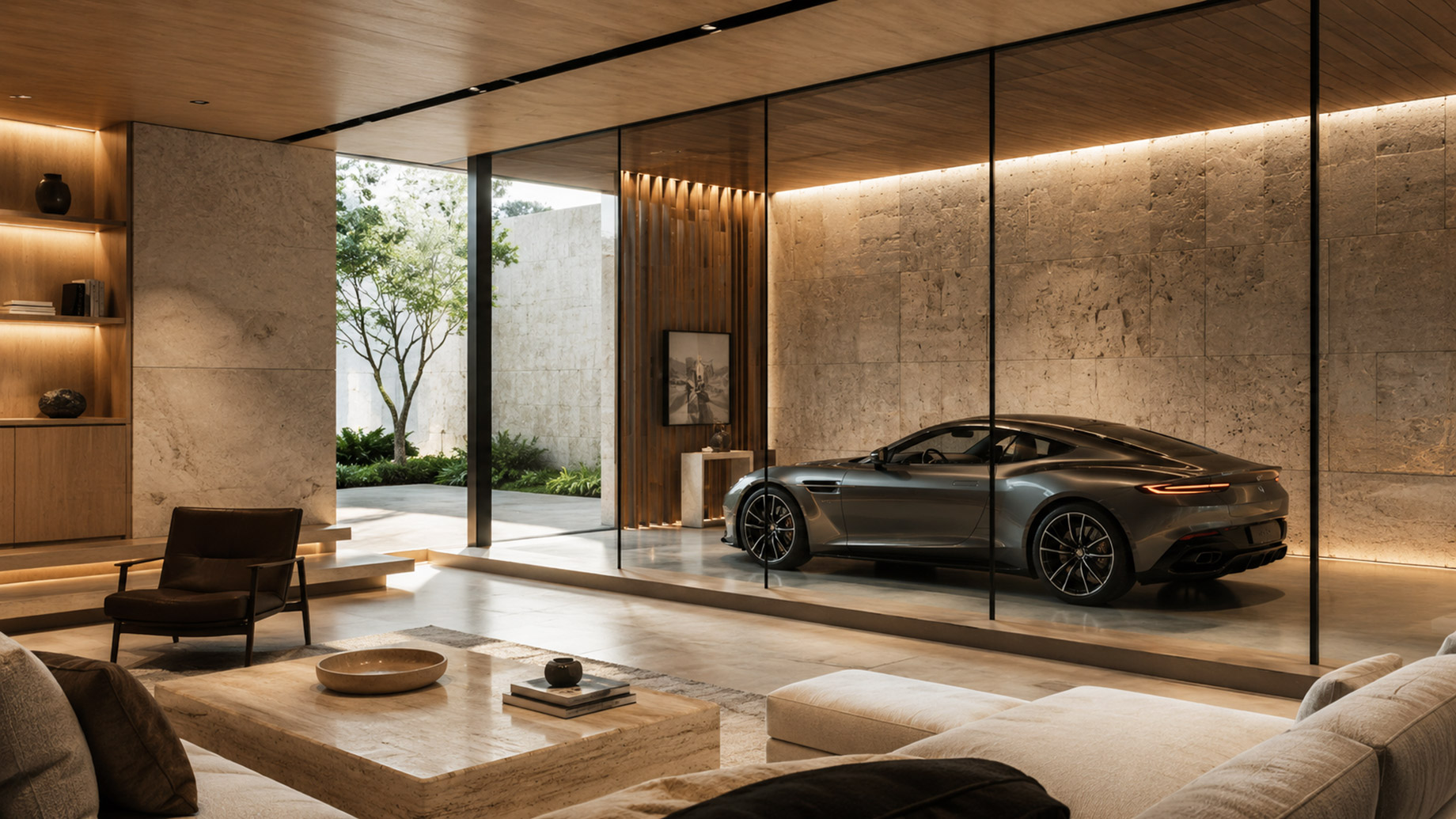
Luxury living has evolved far beyond owning an impressive home in an exclusive neighborhood. Today’s affluent buyers are increasingly viewing luxury as a fully connected lifestyle where architecture, travel, fashion, wellness, and automotive culture all intersect. Among these evolving trends, one of the most fascinating developments is the growing relationship between luxury real estate and the automotive lifestyle.
For high-net-worth individuals, luxury vehicles are no longer separate from the concept of homeownership. Instead, they have become extensions of personal identity and carefully curated living environments. From architect-designed garages and private car galleries to automotive-inspired residences and luxury driving experiences, the worlds of premium real estate and high-end automobiles are becoming deeply intertwined.
This shift reflects a broader transformation in modern luxury culture. Buyers are no longer simply investing in square footage or prestigious locations. They are investing in experiences, aesthetics, and lifestyles that feel cohesive across every aspect of daily living.
Luxury Homes Are Being Designed Around Car Collections
One of the clearest examples of this growing relationship can be seen in modern luxury home design. In the past, garages were often treated as secondary functional spaces hidden away from the main residence. Today, however, they are becoming architectural centerpieces.
For wealthy car enthusiasts, garages are evolving into highly customized spaces designed to showcase prized automotive collections. Glass-walled car galleries, climate-controlled showrooms, rotating display platforms, and luxury lounges connected to vehicle storage areas have become increasingly common in ultra-premium properties.
Architects and developers now understand that for many affluent buyers, vehicles hold emotional and artistic value similar to fine art collections. As a result, homes are being designed to celebrate automobiles rather than conceal them.
In cities such as Miami, Dubai, Los Angeles, and Monaco, luxury properties frequently feature integrated automotive spaces that allow owners to admire their vehicles from living rooms, entertainment areas, or private offices. Some penthouses even include car elevators that transport vehicles directly into private display areas inside the residence itself.
This fusion of architecture and automotive passion highlights how deeply connected the two industries have become.
Automotive Design Is Influencing Interior Aesthetics
The influence of luxury cars extends well beyond garages. Automotive-inspired design has started shaping interior architecture and décor throughout high-end residences.
Many luxury homes now incorporate materials traditionally associated with premium vehicles, including carbon fiber, brushed aluminum, hand-stitched leather, smoked glass, and polished metallic finishes. Interior designers are increasingly borrowing concepts from luxury automotive craftsmanship to create spaces that feel sleek, refined, and performance-oriented.
Lighting design, seating arrangements, and even entertainment systems are being inspired by the interiors of premium vehicles. Homeowners are drawn to the same sense of precision, comfort, and innovation they experience inside luxury cars.
This crossover is especially noticeable among younger affluent buyers who value modern aesthetics and technological integration. For them, luxury is not confined to traditional symbols of wealth. Instead, it is expressed through cohesive design language and lifestyle consistency.
Lifestyle Branding Has Changed Luxury Consumption
Another reason luxury real estate and automotive culture have become closely connected is the rise of lifestyle branding. Luxury buyers increasingly seek brands and experiences that align with their personal identity across multiple areas of life.
Someone who invests in a modern waterfront mansion may also value high-performance sports cars, luxury travel, designer fashion, and bespoke services. These preferences are often interconnected rather than isolated.
Developers and luxury brands have recognized this trend and are actively collaborating to create integrated lifestyle experiences. Branded residences connected to automotive manufacturers are becoming more common around the world. Luxury automotive companies are partnering with developers to create residences that reflect their design philosophy and brand image.
These projects appeal to buyers who want their homes to reflect the same sophistication and exclusivity associated with their vehicles.
At the same time, luxury car ownership itself has become more experience-driven. Owners are increasingly investing in premium detailing, paint protection, and bespoke customization to maintain the appearance and value of their vehicles. Companies such as Glosshaus have become part of this broader luxury ecosystem by offering high-end automotive care services that align with the presentation standards many affluent homeowners expect across all aspects of their lifestyle.
Privacy and Exclusivity Drive Both Markets
Luxury real estate and automotive culture also share a common focus on privacy, exclusivity, and personalization. Wealthy buyers increasingly value experiences and possessions that feel unique to them rather than mass-produced.
In real estate, this has led to rising demand for private compounds, gated estates, and architecturally distinctive homes. In the automotive world, it has encouraged interest in limited-production vehicles, bespoke customization, and collector cars.
Both industries cater to individuals who want their choices to reflect individuality and status while maintaining a sense of discretion. This overlap naturally strengthens the connection between luxury homes and automotive lifestyle culture.
Collectors, entrepreneurs, celebrities, and investors often view their homes and vehicles as complementary expressions of personal success. A carefully designed property paired with an exceptional automotive collection creates a lifestyle narrative that feels complete and intentional.
Technology Is Bringing the Industries Closer Together
Advancements in technology are also helping merge luxury real estate and automotive living. Smart home systems, electric vehicles, and integrated automation are creating seamless connections between homes and transportation.
Modern luxury residences increasingly feature advanced charging infrastructure for electric vehicles, automated garage systems, biometric security, and app-controlled climate environments for vehicle storage. These features reflect changing priorities among affluent homeowners who value convenience and innovation.
As electric luxury vehicles continue gaining popularity, real estate developers are adapting quickly to meet evolving expectations. Sustainability, energy efficiency, and smart technology are becoming essential components of both luxury homes and modern automotive culture.
The rise of sustainable luxury is particularly important among younger wealthy buyers who prioritize environmental responsibility alongside comfort and exclusivity. Homes and vehicles are now expected to work together within a broader lifestyle focused on innovation and long-term value.
Luxury Experiences Have Become More Connected
Perhaps the biggest reason luxury real estate and automotive culture are becoming increasingly intertwined is that modern luxury itself has become more holistic. Affluent individuals no longer separate their passions into isolated categories. Instead, they seek experiences that feel connected across every aspect of life.
A luxury home is no longer simply a place to live. It is part of a larger ecosystem that includes travel, wellness, entertainment, design, and personal interests. Vehicles naturally play an important role within that ecosystem because they shape daily experiences and personal identity.
For many homeowners, driving a luxury car through scenic landscapes, arriving at a carefully designed residence, and entertaining guests in architecturally impressive spaces all contribute to a unified lifestyle experience.
This mindset has transformed both industries. Real estate developers are paying closer attention to automotive preferences, while automotive brands are increasingly engaging with architecture and luxury living.
The Future of Luxury Living
As wealth culture continues evolving, the relationship between luxury real estate and automotive lifestyle will likely grow even stronger. Future luxury developments may place even greater emphasis on integrated mobility solutions, sustainable transportation, and personalized vehicle experiences within residential environments.
Architects, designers, and automotive brands are already exploring ways to create more immersive and technologically advanced living spaces that blur the line between home and automotive culture.
Ultimately, this growing connection reflects a deeper shift in how luxury is defined today. Modern luxury is no longer about owning individual status symbols. It is about creating a lifestyle where every detail feels intentional, elevated, and connected.
For today’s affluent buyers, the relationship between home and automobile is no longer separate. Together, they have become part of a single expression of modern luxury living.
