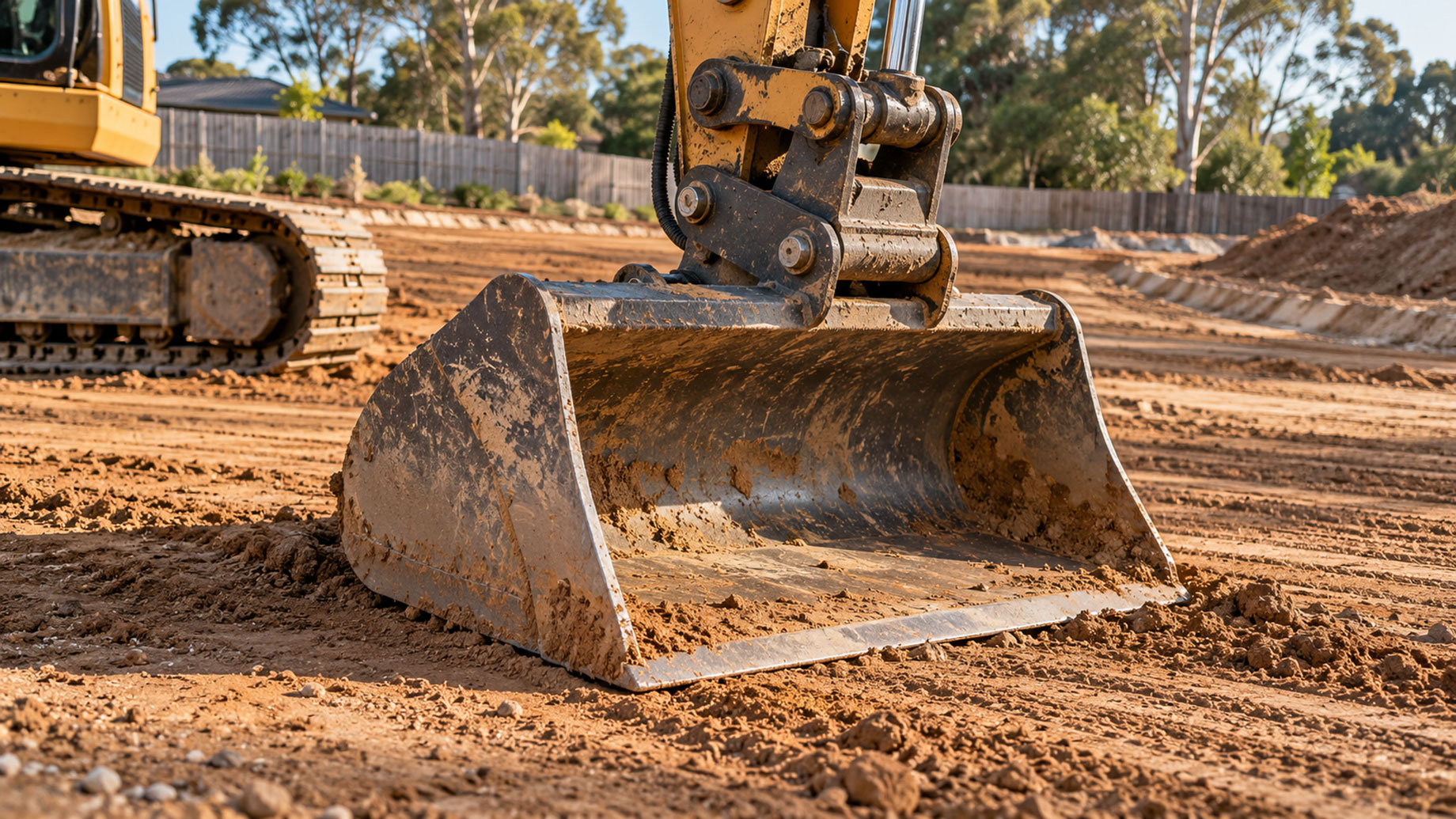
An empty plot can look ready for construction until someone starts asking what is beneath the surface. Old roots, uneven ground, buried services, and soil that holds water can turn a straightforward project into a complicated one. For property owners searching for excavation hardspot Geelong, the real value of an experienced contractor goes beyond moving dirt. It comes from having a team that understands how clearing, digging, leveling, and drainage fit together. Instead of organizing a different crew every time the project moves forward, one capable provider can keep the groundwork connected. That makes life easier whether the plan is a backyard addition, a driveway, or a much larger development. It also gives everyone a clearer picture of what happens next.
A Clear Plan Before Machinery Arrives
Good site preparation starts with questions, not an excavator bucket. What will be built? How will machinery access the property? Where are the boundaries, and are there underground utilities or nearby structures to protect? Answers to these questions shape the method, equipment, and sequence of work.
A full-service contractor can assess the site and discuss its requirements with the owner, builder, and relevant specialists. Some projects may also need surveys, engineering guidance, permits, or utility locating before excavation begins. Recognizing those requirements early can prevent an expensive surprise after machinery and workers have been scheduled. A little preparation here often saves considerable time once the job starts.
Clearing the Way for Construction
Vegetation, fallen branches, old paving, and unwanted materials often need to go before proper earthworks can start. It sounds simple until a pile of cleared material blocks the only access route or an old tree stump proves harder to remove than expected.
When the same contractor manages clearing and excavation, the tasks can be planned as one sequence. Suitable machinery arrives when needed, reusable materials can be separated where practical, and waste removal can be coordinated rather than left for another team. The aim is a workable site, not merely a cleared-looking patch of ground. There should be enough room for the next stage to begin safely.
Excavation That Supports the Next Step
Digging to the required depth is only part of excavation. The position of foundations, the stability of excavation sides, the condition of the soil, and space for subsequent trades all matter. A poorly organized excavation may leave builders struggling with access or dimensions that do not match the plans.
Experienced operators work to agreed levels and specifications while adjusting to actual site conditions. If unexpected rock, unsuitable fill, or hidden obstacles appear, a contractor familiar with the full scope can communicate with the builder and recommend the next practical steps. Changes still need proper approval, but the discussion is easier when one team understands what has happened so far. Nobody benefits from decisions made in a rush or without accurate information.
Grading and Drainage Belong Together
Water follows the ground, regardless of how attractive the finished landscaping looks. Incorrect levels can direct rain toward buildings, leave puddles near paths, or create ongoing problems around outdoor living areas. That is why grading should be considered alongside excavation, not treated as a decorative finishing touch.
A contractor coordinating both stages can check slopes, finished heights, and the intended drainage approach before the work is completed. On some sites, specialist drainage design or installation will also be needed. Getting the relevant people involved at the right time is far less disruptive than discovering a water problem after concrete or paving has been laid. Proper drainage planning can also protect neighboring areas from unintended runoff.
One Contact, Fewer Scheduling Headaches
Construction schedules have a habit of changing. A delivery gets moved, the weather turns, or an inspection reveals something that needs attention. With separate contractors for clearing, excavation, and final leveling, one delay can trigger a string of phone calls and rearranged appointments.
A single point of contact makes those conversations more manageable. The contractor can explain what is finished, what remains, and which activities depend on earlier work. That does not mean every setback disappears, but it reduces the chances of confusion between teams. For a property owner who is not on-site every day, clear updates are often just as valuable as the machinery itself. Regular communication makes it easier to plan other trades and deliveries.
More Control Over the Budget
A low initial excavation price may not include vegetation removal, spoil disposal, final grading, or other necessary work. Those omissions become frustrating when additional invoices arrive midway through the project. Comparing only the headline figure can therefore give a misleading picture of the total expense.
A comprehensive quotation should describe the agreed scope, equipment, disposal arrangements, expected site conditions, and potential exclusions. Ask how unexpected rock, additional excavation, or changes in disposal quantities would be priced. Even an experienced contractor cannot predict everything beneath the ground, but transparent allowances and a clear process for approving variations help avoid arguments later. That clarity gives property owners more confidence when making decisions.
Small Blocks and Large Sites Need Flexibility
A compact residential lot can present access problems that would never arise on an open commercial site. Narrow gates, neighboring fences, established gardens, and existing services call for careful equipment selection. Larger developments, meanwhile, may require multiple machines, substantial earthmoving, and coordination with several other trades.
The advantage of a versatile provider is the ability to match the approach to the project rather than forcing every job into the same routine. A small backyard does not need an oversized crew, and a major development should not be managed with equipment unsuited to its scale. Good planning respects both the site and the budget. It also considers nearby residents, working hours, and the movement of vehicles.
Choosing a Contractor You Can Rely On
Before booking, ask whether the company can handle the specific stages your project requires. Discuss experience with similar sites, insurance, operator qualifications, equipment availability, and how safety and utility risks are managed. Request a written scope so everyone understands what is included and who is responsible for specialist tasks.
The right contractor will explain the process in plain language, answer practical questions, and be realistic about uncertainties. That kind of service brings more than convenience. It gives the groundwork a consistent direction, from the first cleared section to the final prepared surface. When construction begins, there is real reassurance in knowing the site was prepared with the next stage in mind.
