Blocked drains are one of the most common household and commercial plumbing issues, and they can quickly escalate from a minor inconvenience to a major problem if not addressed promptly. In TBP (Trapped Basin Plumbing) systems, where water flow relies heavily on well-designed traps and basins, blockages can disrupt the entire drainage network. Understanding the causes of blocked drains and knowing how to fix them efficiently is essential for maintaining a healthy, functional plumbing system.
Common Causes of TBP Blocked Drains
Accumulation of Grease and Fat
One of the leading causes of blocked drains in kitchens is the buildup of grease, fat, and oil. When hot grease is poured down the sink, it may initially flow freely, but as it cools, it solidifies and clings to the inner walls of pipes. Over time, this sticky residue traps food particles and creates stubborn blockages.
Hair and Soap Scum
Bathrooms are particularly vulnerable to blockages caused by hair and soap scum. Hair strands can easily slip into drains during showers, and when combined with soap residue, they form dense clumps that obstruct water flow. This is especially problematic in TBP systems where narrow traps can quickly become clogged.
Foreign Objects
Small items such as cotton swabs, sanitary products, or even children’s toys can accidentally find their way into drains. Unlike organic waste, these objects do not break down and can lodge firmly within the trap, causing immediate and severe blockages.
Mineral Deposits
In areas with hard water, mineral deposits such as calcium and magnesium can accumulate inside pipes. Over time, these deposits reduce the diameter of the pipe, slowing water flow and making it easier for other debris to cause blockages.
Tree Roots
Outdoor drains and sewer lines are often infiltrated by tree roots seeking moisture. Roots can penetrate tiny cracks in pipes, expand, and eventually block the entire system. This is one of the most challenging causes to fix, as it often requires professional intervention.
Signs of a Blocked Drain
Recognizing the early signs of a blocked drain can help prevent more serious issues. Slow drainage, unpleasant odors, gurgling sounds, and water backing up into sinks or showers are all indicators that a blockage may be forming. In TBP systems, these symptoms often appear quickly due to the compact design of traps and basins.
How to Fix Blocked Drains Fast
Boiling Water
For minor grease-related blockages, pouring boiling water down the drain can help dissolve and dislodge the buildup. This method is simple, cost-effective, and often provides immediate relief.
Baking Soda and Vinegar
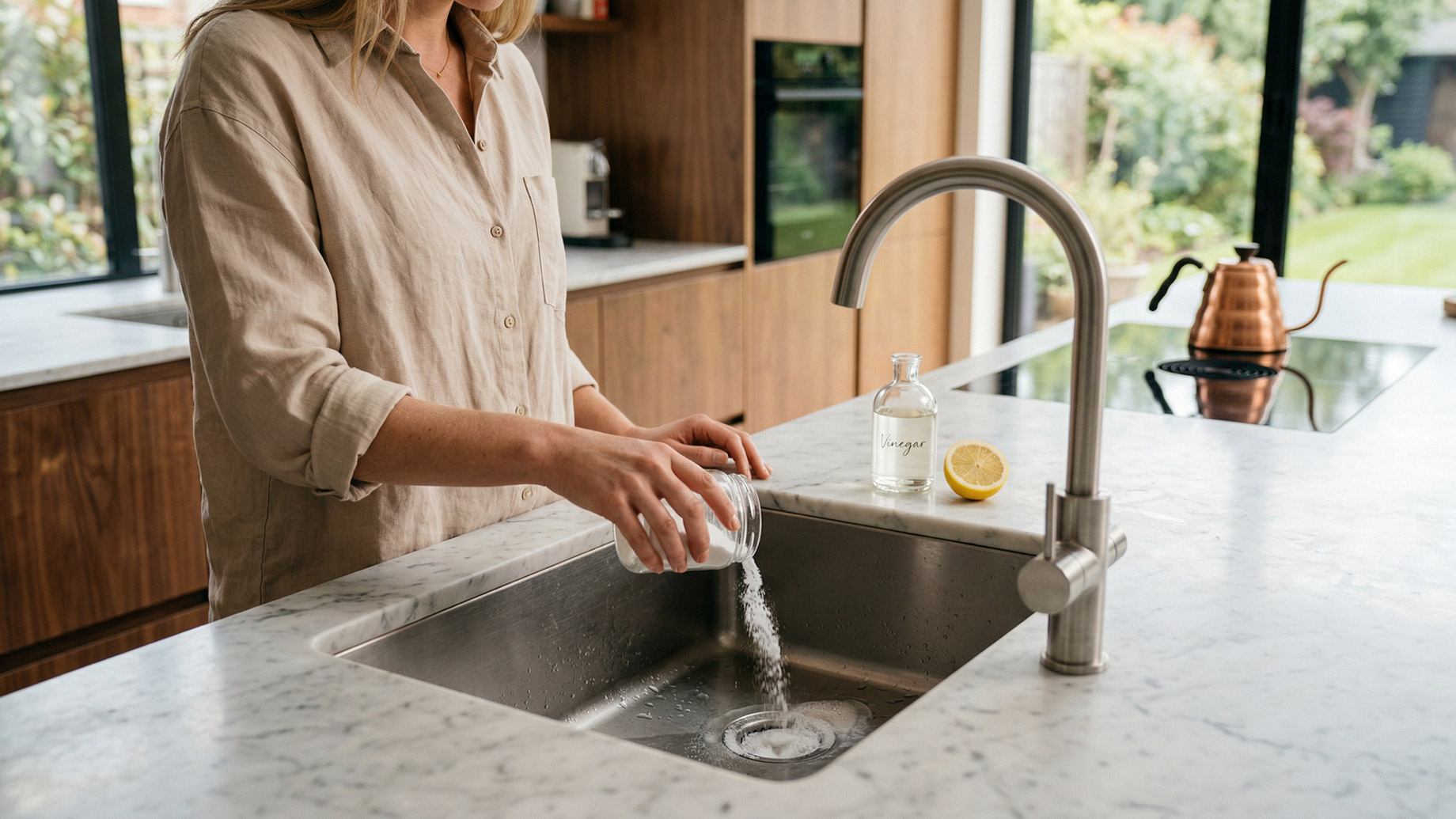
A natural cleaning solution of baking soda followed by vinegar can break down organic matter and soap scum. After pouring the mixture into the drain, let it sit for 15–30 minutes before flushing with hot water. This method is safe for most TBP systems and avoids harsh chemicals.
Plunging
A plunger creates suction that can dislodge blockages near the drain opening. This is particularly effective for bathroom sinks and toilets. Ensure a tight seal around the drain to maximize pressure.
Drain Snakes
For deeper blockages, a drain snake or auger can be inserted into the pipe to physically break apart or retrieve debris. This tool is especially useful for hair clogs in bathroom drains.
Chemical Cleaners
While chemical drain cleaners can be effective, they should be used sparingly in TBP systems. Harsh chemicals may damage pipes or traps over time. If used, follow instructions carefully and avoid mixing different products.
Professional Help
For severe blockages, especially those caused by tree roots or collapsed pipes, professional plumbers are essential. They use advanced tools such as hydro-jetting machines and CCTV drain cameras to diagnose and resolve complex issues quickly.
Preventing Future Blockages
Prevention is always better than cure. Simple habits such as disposing of grease in the trash instead of the sink, using drain guards to catch hair, and avoiding flushing non-biodegradable items can significantly reduce the risk of blockages. Regular maintenance, including professional inspections, ensures that TBP systems remain efficient and reliable.
Conclusion
Blocked drains in TBP systems are a nuisance that can escalate into costly repairs if ignored. By understanding the common causes—ranging from grease buildup to tree root infiltration—and applying quick fixes such as boiling water, plunging, or professional intervention, you can restore proper drainage swiftly. Preventive measures, combined with timely action, are the key to keeping your plumbing system running smoothly and avoiding the stress of unexpected blockages.
This proactive approach not only saves time and money but also ensures a healthier, more hygienic living environment.
