The commercial real estate market is booming in the US, despite the economic uncertainty. According to JP. Morgan, the outlook for 2026 looks bright. Multifamily and industrial segments are expected to stay strong, and retail is steady. Office properties are likely to bounce back in some metropolitan areas. However, as an investor, you need to do your bit to make your property attractive.
Curb appeal shapes how tenants and customers judge your property’s value and professionalism before they review the lease terms. In a market with higher vacancies and pressure on valuations, properties that look well‑maintained and welcoming have a competitive edge. Strong first impressions can also support rental levels and retention.
Small, visible upgrades often deliver outsized returns compared with heavy structural work. In this article, we will highlight some quick curb appeal enhancement tips to make your commercial property excel.
Start with a Fresh Coat of Paint
Repainting is one of the fastest ways to modernize a tired facade and signal active ownership. Neutral, contemporary color palettes can help your building match updated neighboring stock. According to Angi, you don’t have to spend a fortune on an exterior paint job for a commercial property. The cost of this job sits at $2 to $6 per square foot, with factors like building size, labor rates, and paint type determining it.
Besides improving aesthetics, paint plays into ESG and maintenance considerations. Newer coatings can improve durability against weather and pollution, reducing long‑term upkeep costs. In retail environments, refreshed facades and consistent color schemes can drive stronger foot traffic and neighborhood vibrancy.
A visibly maintained exterior also reassures lenders and buyers at a time when commercial real estate risk is a talking point. Overall, a good presentation serves as a part of a broader risk‑management story.
Refresh Signage and Branding
Outdated or poorly visible signage can make even a structurally sound building look neglected. Visual branding, clear messaging, and professional signage heavily influence leasing decisions and perception of quality. As prospects often compare multiple properties online before visiting, cohesive on‑site branding that matches digital imagery can affect credibility.
Modern monument signs, wayfinding, and door graphics improve navigation. This is important for multi‑tenant centers, medical plazas, and offices. Consistent signage and logo use across entry points, directory boards, and parking areas builds trust and helps a property stand out in crowded markets.
This signage and branding work also helps with repositioning strategies when owners flip or repurpose commercial assets. It signals a new era for a commercial building to both tenants and investors.
Invest in Landscaping Enhancements
Business Age magazine highlights the importance of first impressions for businesses. Most customers create an image of who they are as soon as they pull into their parking lot. This usually determines the perception of honesty, professionalism, and service quality for a business. On these lines, businesses decide the value a commercial property offers.
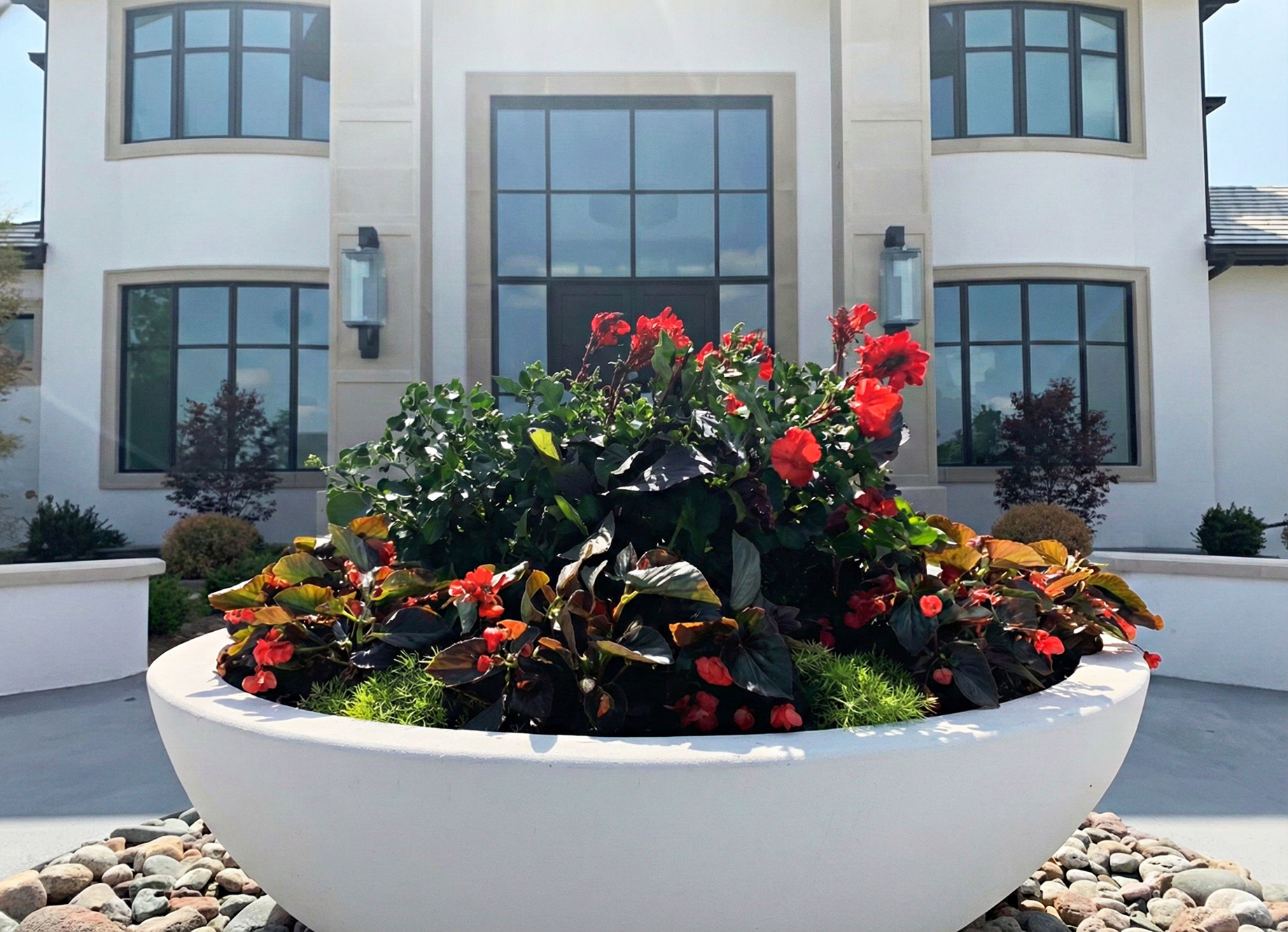
Landscaping can improve commercial curb appeal, making your property valuable for potential business tenants. Simple upgrades, such as healthy lawns, trimmed trees, and seasonal plantings, make a property feel more welcoming and safe. Setting up custom planters at the entrance is a good idea.
PolyMade notes that custom planters are designed according to specifications, making them a perfect fit for outdoor and indoor spaces. Besides shape and size, they can be tailored to budgets and durability expectations. Well‑designed landscaping can guide traffic flow, showcase entrances, and visually screen service areas of the building.
Replace Lighting and Fixtures
Lighting strongly influences safety perceptions and nighttime curb appeal. Bright, consistent illumination in parking lots, walkways, entry canopies, and signage areas helps reassure tenants and customers. Swapping outdated fixtures for modern designs can visually reposition older properties without major structural jobs.
Upgrading to energy‑efficient, smart‑controlled lighting is another smart move. According to the Department of Energy, LED exterior luminaires save energy and operating costs. They also significantly extend fixture lifetime. At the same time, energy-efficient fixtures can help businesses meet evolving ESG and regulatory expectations.
Further, integrating sensors and smart controls into lighting improves user experience. Attractive sconces, bollard lights, and accent lighting can highlight architectural features and landscaping. This creates a more upscale look that supports rent levels and tenant mix upgrades.
Prioritize Cleaning and Maintenance
No design upgrade can compensate for the visible neglect of commercial properties. Dirt, graffiti, cracked pavement, and broken elements can undermine perceived value in a market where investors and regulators are already cautious. Routine power‑washing, window cleaning, and trash removal make a property look more professional and well‑run.
Maintenance includes addressing potholes, railings, steps, and signage damage. These upgrades reduce liability exposure and support long‑term asset performance. In slower or correcting environments, properties that demonstrate high standards of upkeep tend to attract the limited pool of strong tenants and investors.
For multi‑tenant properties, consistent cleaning and quick repairs also influence tenant satisfaction and renewal. This is vital as some segments confront pressure from hybrid work and changing retail behavior. When preparing to flip, clean inspection reports and visible care help buyers feel confident.
FAQs
What creates a great first impression of a commercial property?
A great first impression comes from the combination of cleanliness, strong visual identity, and a sense of safety and order. Quality imagery, neat exteriors, and clear signage significantly impact whether people choose to visit or lease a property. In a tougher CRE environment, buildings that look modern, accessible, and well‑maintained stand out against aging, neglected stock.
What decreases property value the most?
For commercial assets, value erosion often stems from a mix of physical, financial, and market factors. Rising vacancy, declining office values, and higher interest rates are major headwinds that can depress pricing. Neglected maintenance, outdated building systems, and non‑compliance with evolving ESG or code requirements further reduce attractiveness to tenants and capital.
How to flip a commercial property?
Flipping a commercial property typically involves buying an underperforming or cosmetically tired asset, making targeted improvements, and selling at a higher price. Investors must understand local demand, vacancy trends, and sector‑specific shifts before they buy. They are advised to look for buildings in good locations with fixable issues rather than deep structural problems.
The curb appeal of a commercial property can be a great selling point for investors. Investing in it is, therefore, a smart move. However, this does not require extensive upgrades; a few well-thought-out ones can go a long way. This simple checklist of curb appeal enhancements can give your commercial property the boost you seek.
