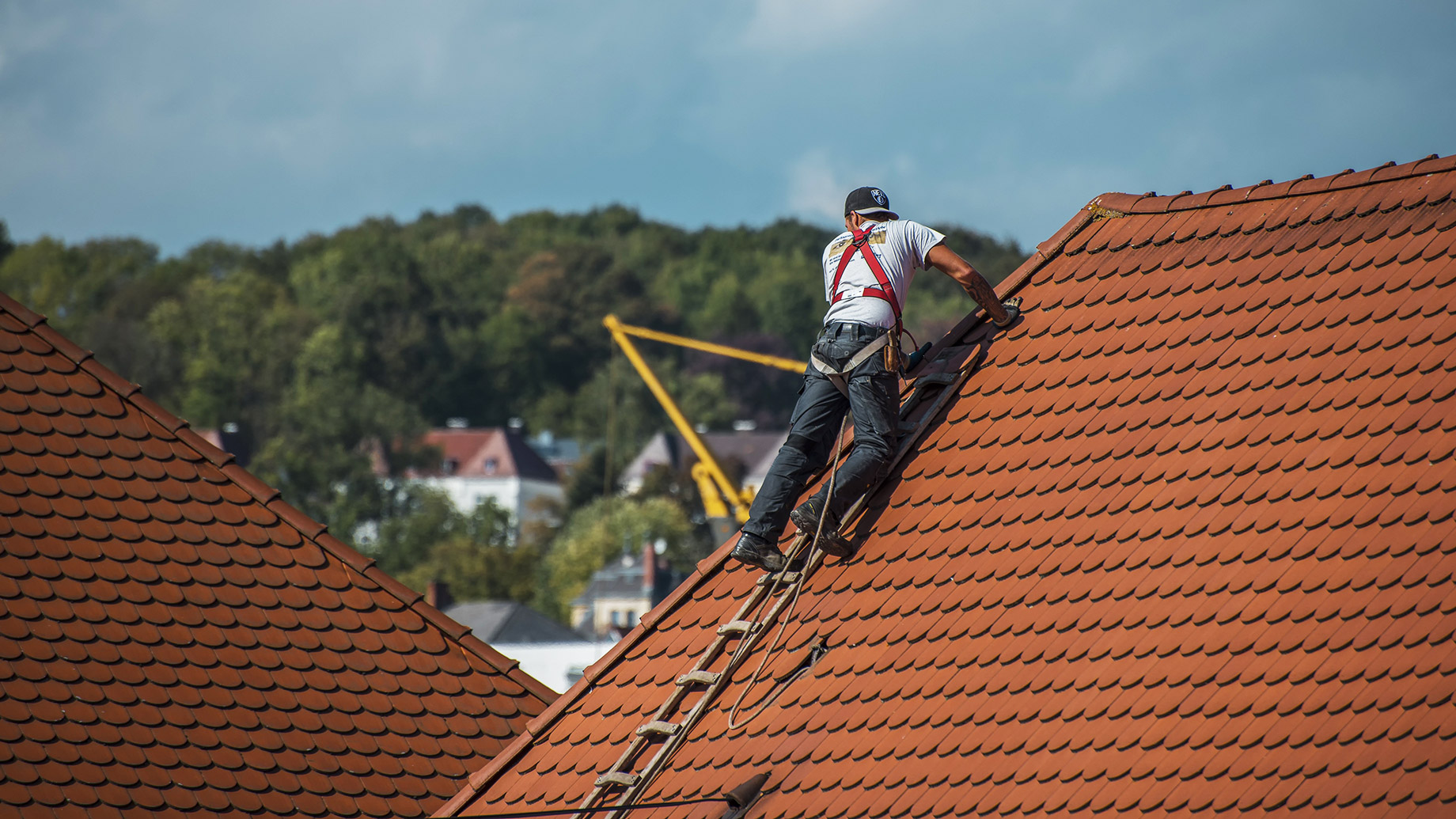
Every home faces a constant battle against the elements throughout the year. The roof is the primary shield against rain, snow, and intense sunlight. Small issues will turn into expensive repairs if left alone for too long. See how different seasons impact your shingles for a safer home.
The Value Of Seasonal Roof Checks
Regularly looking at your roof helps you catch problems before they leak into your living room. You can spot missing shingles or cracked tiles from the ground with a pair of binoculars. Most homeowners only think about their roof after a major storm hits the area. Catching minor wear early can extend the life of your materials by many years.
Planning for maintenance should happen at least twice a year. Late spring and early fall are the best times for these walk-around checks. You want to see how the roof held up after winter and prepare it for the coming heat. If you find something concerning, call a pro to get a closer look.
Professional Inspections And Maintenance
A professional brings tools you might not have: they use moisture meters and thermal cameras to find hidden leaks behind walls. Roofing contractors like Palladium Roofing can safely walk on the roof and inspect the steep sections you cannot see from the ground. They know exactly what to look for around vent pipes and chimneys.
Regular maintenance visits keep your warranty valid in many cases. Many shingle manufacturers require proof of care to honor their long-term guarantees. Keeping these records in a safe place adds value to your home if you ever decide to sell. A well-maintained roof is a major selling point for any buyer looking for a reliable house.
Summer Heat And UV Exposure
The sun beats down on roofing materials for hours during the hot summer months. Constant UV exposure makes asphalt shingles brittle and prone to cracking. Keeping an eye on your attic temperature can help you track how well your roof handles heat.
Proper ventilation allows hot air to escape from your attic space. Without good airflow, heat bakes your shingles from the inside out, accelerating their aging. You might notice your cooling bills rising as the roof struggles to reflect the sun.
Darker roofs tend to absorb more heat than lighter colored options. If you live in a very sunny region, opt for shingles with high reflectivity ratings. Reflecting the sun keeps your home cooler and reduces the strain on your AC system.
Heavy Winds And Storm Preparedness
Spring and summer bring storms with high wind speeds. About 33% of homeowners end up replacing their entire roof due to severe weather events. High winds can get under the edges of shingles and peel them back. Once a shingle is loose, water finds an easy path into the wooden decking below.
Heavy rain can find tiny gaps around vents and chimneys during a downpour. If the sealant is cracked, water will seep in and rot the interior structure. Rot can spread quickly if the roof does not have time to dry out between storms.
- Clear overhanging tree branches to prevent them from falling during high winds
- Check for loose or missing shingles after every major wind event
- Keep gutters clear, so water flows away from the roof edge
- Look for signs of hail damage, such as small dents or loss of granules
- Verify that all vent caps are secure and not rattling in the breeze
Fall Gutter Maintenance And Debris
Leaves and twigs pile up on the roof as the trees change color in the fall. Piles of leaves trap moisture against the shingles and encourage the growth of moss or algae. Wet debris is heavy and can strain the support structure of your roof. Clearing the surface helps the materials breathe and stay dry.
Gutters protect your foundation and siding. When gutters clog with leaves, water backs up and sits under the edge of the roof. Standing water will rot the fascia boards and the roof deck. Clean your gutters at least once in the fall to keep the water moving freely.
Winter Ice Dams And Snow Loading
Snow adds a lot of weight to your rafters. A thick layer of snow can compress the shingles and trap moisture in small cracks. If your attic is too warm, the bottom layer of snow melts and runs down to the cold eaves.
Ice dams prevent melting snow from draining off the roof. The water stays trapped behind the ice and gets forced under the shingles. Keeping your attic insulation thick prevents the heat from melting the snow too fast.
Professional roofers can install heat cables or extra ice shields to combat this problem. Never try to hack away at ice dams with a shovel, as you will damage the shingles. Use a roof rake to remove snow before it has a chance to melt and refreeze.
Budgeting For Residential Roof Replacement
Financial planning for a new roof should start long before the old one fails. Industry statistics show that it costs an average of $9,526 to replace a standard residential roof. The total price varies based on the size of your home and the materials you choose. Metal roofs cost more upfront but last twice as long as asphalt.
Some regions require specific permits that add to the total expense. Saving a small amount every month for future maintenance will avoid financial stress when the time comes. Better shingles come with longer warranties and higher wind resistance ratings. You should always get at least three quotes from local contractors to compare prices and services.
Recognizing Early Signs Of Roof Failure
Knowing what to look for can save you from a major headache. Water stains on your ceiling are the most obvious sign that something is wrong. By the time you see a stain, the leak has probably been there for a while. Here are some issues to look for:
- Curled or buckled shingle edges
- Bald spots where granules have washed away
- Cracked or missing shingles in the valleys
- Dark streaks caused by airborne algae
- Rotted wood in the attic or around the eaves
- Visible light shining through the roof boards in the attic
- Excessive granules are found at the bottom of your gutters
Check your attic for any musty smells or signs of mold. Mold grows in damp environments and can affect the air quality in your entire home. Addressing these issues immediately keeps the repair costs from skyrocketing.
Preparing your home for the changing seasons will avoid big bills. Every roof has a lifespan, but care and attention make it last as long as possible. Watch the weather and stay on top of small tasks. Taking care of your roof today means it will take care of you for many seasons to come.
