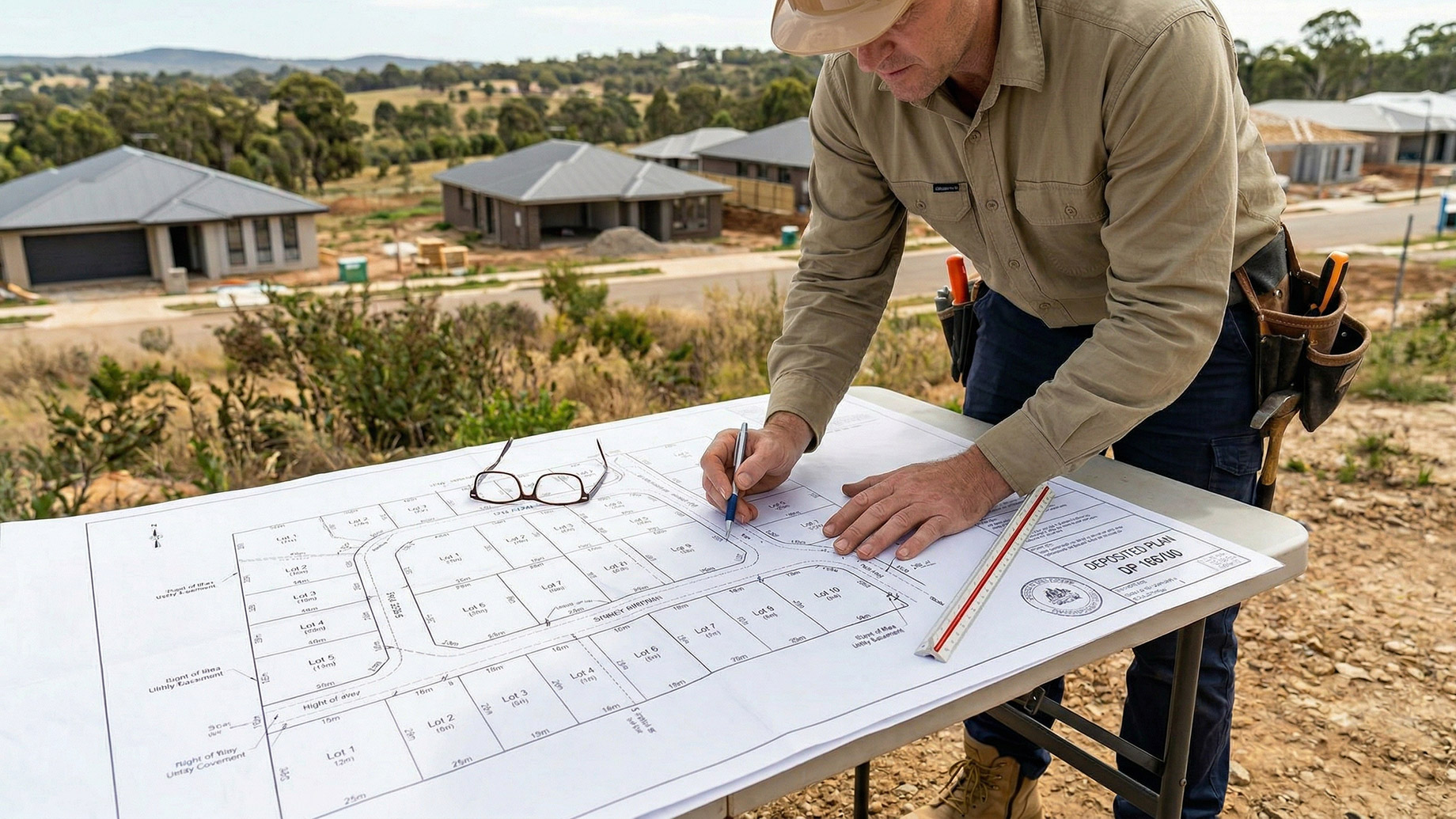
When it comes to property transactions, land development, or resolving boundary disputes, understanding Deposited Plans (DPs) is essential. A Deposited Plan (DP) is a legal document that shows the boundaries, dimensions, and other relevant details about a parcel of land. Each DP has a unique identifier known as the Deposited Plan (DP) number, which helps property professionals, surveyors, and developers access critical information related to specific properties.
If you’re involved in property transactions, land development, or resolving property disputes in Australia, understanding how to locate and interpret DP numbers is vital. This blog will provide a comprehensive guide on how to find and decode the DP number, and why it matters when it comes to legal property dealings.
What is a Deposited Plan (DP)?
A Deposited Plan is a formal document registered with the relevant land registry office. It provides an accurate, legally recognised representation of a piece of land, including its boundaries, lot sizes, and other physical features like easements or rights of way.
Deposited plans are especially important when it comes to subdivided land, where a single parcel of land has been divided into multiple smaller lots. Each new lot will have its own DP number, and these plans play a crucial role in property transactions, helping buyers, sellers, and developers clearly define the land’s legal status.
A DP number is a unique identifier assigned to a specific deposited plan, and it allows anyone with access to land records to quickly locate information about that property. Whether you’re a developer, buyer, or seller, understanding how to locate and interpret these numbers will help streamline your property dealings.
Where Can You Locate a Deposited Plan Number?
Finding the DP number of a property is usually the first step in obtaining vital information about the land. There are several ways to locate a DP number:
1. Land Registry Search
The most reliable way to locate a DP number is through the state or territory’s land registry office. In Australia, each state and territory has its own land registry, such as the NSW Land Registry Services (for New South Wales) or Landgate (for Western Australia). These offices maintain property records, including Deposited Plans.
Most land registries have online portals where you can search for the DP number by entering the address of the property. Once you’ve located the property, the registry will provide you with the associated DP number, along with other important details such as the land’s boundaries, easements, and registered interests.
2. Property Contracts and Documents
If you’re buying or selling a property, the DP number should be clearly listed in the contract of sale or other legal documents. These documents typically include information such as the DP number, lot number, and other details about the land’s subdivision or ownership history. If you’re working with a conveyancer or solicitor, they will often access this information on your behalf.
3. Surveyor’s Reports
If you’re undertaking land development or dealing with boundary disputes, a licensed land surveyor will likely conduct a survey of the property. The DP number will be included in the surveyor’s report, which will outline the exact boundaries of the property and any features relevant to your project.
4. Real Estate Listings
For individuals looking to buy property, the DP number may sometimes be listed in real estate advertisements or listings. However, this is less common, as agents typically only include the property address. If you can’t find the DP number through online listings, you can always request it from the selling agent or consult the land registry.
How to Interpret a Deposited Plan Number?
The DP number is typically a series of digits that corresponds to a unique deposited plan lodged with the land registry. While the DP number itself doesn’t usually provide direct information about the property, understanding how it is structured can help you when searching for additional details.
1. Format of the DP Number
A DP number typically consists of a number followed by the letters “DP” (Deposited Plan). For example, “DP 123456” would be a valid DP number.
- DP: The “DP” stands for “Deposited Plan,” which indicates that the plan has been officially lodged and registered with the land registry.
- Number: The number following “DP” is unique to the plan and acts as an identifier within the registry. This number helps to distinguish it from other deposited plans.
2. Understanding Lot Numbers
Within a deposited plan, each subdivision lot is given a unique lot number, which is often referenced alongside the DP number. Lot numbers are used to identify individual parcels of land within the deposited plan. For example, if a plan subdivides a property into 10 lots, each lot will be numbered (Lot 1, Lot 2, etc.), and these lot numbers will be referenced in the DP document.
It is important to note that when purchasing or selling land, it’s critical to refer to both the DP number and the lot number to ensure you are dealing with the correct parcel of land. For example, “Lot 2 in DP 123456” clearly identifies a specific lot within the registered deposited plan.
3. Decoding Additional Details on the Plan
In addition to the lot numbers, the deposited plan may contain details such as:
- Easements: Legal rights that may allow other parties to access or use the land for specific purposes (e.g., utility companies needing access for power lines).
- Covenants: Restrictions that limit how the land can be used or developed. These can affect building height, land use, and more.
- Land Size and Boundaries: The dimensions of each lot and its relationship to adjacent lots.
A detailed review of the deposited plan will give you all the necessary information about the land you’re dealing with, and it can prevent future legal issues related to property boundaries and land use.
Why Deposited Plans and DP Numbers Matter in Land Development
In land development, the DP number is vital because it ensures clarity and precision. Whether you’re subdividing land, buying property, or resolving a boundary dispute, knowing the DP number helps you:
1. Confirm Property Ownership
The DP number is tied to the official record of ownership, ensuring that you are dealing with the correct parcel of land. Title searches, which are often conducted alongside deposited plans, will confirm who legally owns the property and whether any encumbrances affect it.
2. Navigate Subdivision Regulations
For developers, the DP number is essential when working with local councils to seek approvals for subdivision or construction projects. It allows council officers to quickly assess whether the land is suitable for development and whether it complies with zoning laws.
3. Avoid Disputes and Legal Issues
Using the DP number to refer to the precise boundaries of a property helps avoid disputes with neighbouring landowners. By confirming the details of a deposited plan, you can ensure that there are no overlapping claims or misunderstandings about land use or boundaries.
4. Streamline the Property Transaction Process
For buyers, having access to the DP number ensures that you are fully informed about the land you are purchasing. A thorough title search based on the DP number will also confirm whether the land has any issues, such as unregistered easements or covenants that might affect your use of the property.
Conclusion
Deposited Plans (DPs) and DP numbers play a crucial role in land development and property transactions. Understanding how to locate and interpret DP numbers can save time, money, and potential legal issues in the future. Whether you are buying, selling, subdividing, or resolving property disputes, always ensure that you have the correct DP number and consult the land registry or your property professional for accurate information.
By understanding the relationship between the DP number, the land’s boundaries, and its legal status, you can make informed decisions and navigate the complexities of land development with confidence.
