Can a scribbled change order from a pool build come back as a premises liability claim years later? Yes, and more often than owners expect. A mid-build decision to move a gate, swap a latch, drop a planned fence run, or shorten a deck ends up on paper nobody rereads.
Two summers later, a child may slip through, a guest may trip on a lip that was never built as drawn, and the family’s personal injury attorney handling the case may ask for every change order the contractor ever wrote.
The paper that felt like a formality during construction becomes the clearest evidence of what the owner approved and what the pool stopped being. The decisions that create or avoid that exposure happen long before anyone gets hurt.
Sign the Change Order, or Stop the Work
The first real decision happens at the edge of the deck, when the superintendent says the fence line has to move or the equipment pad doesn’t fit where the plans put it. The temptation is to nod, keep the schedule, and sort the paperwork later. That’s the choice that creates problems.
A written, signed change order is usually the only version of events that survives.
Any change to scope or price should be in writing, clearly worded, and signed by both parties before it becomes part of the contract. The California licensing board’s pool construction guide spells out the format and why verbal approvals leave the owner exposed. If the contractor won’t put the change in writing, pause the work until they do, even if it costs a day.
Keep the Barrier the Plans Called For, or Document Why You Didn’t
The second decision is more dangerous and easier to miss. Owners agree to shrink, delay, or substitute the pool enclosure all the time: a decorative hedge instead of fence on the view side, a self-closing gate deferred to “phase two,” a mesh panel where code called for solid barrier. Each of those is a change order. Each one changes the owner’s duty if someone wanders in.
The baseline isn’t a matter of taste. Residential pool codes generally require outdoor pools, spas, and hot tubs to be enclosed by a barrier of a minimum height, with no opening large enough for a small child to pass through, and public pools sit under a stricter standard. Anything the change order lowers below the applicable baseline is a documented, owner-approved deviation from what the inspector signed off on, and if a case follows, the family’s lawyer will likely frame it exactly that way.
The honest options are two. Build to the barrier the plans and code call for, or document, in the change order, exactly what you’re accepting instead and why. The worst version is the middle one, where the fence slips off the punch list and nobody writes down who decided.
Treat the Pool as an Attractive Nuisance From Day One
The legal frame most owners don’t know by name is the one that drives the claim. Courts have long held that a pool is a classic example of an attractive nuisance, meaning the owner can owe a duty of care to a trespassing child who’s drawn in by the water itself. That duty doesn’t wait for the certificate of occupancy. It attaches the moment the hole holds water.
Which means the decisions during construction, not after, are the ones that matter:
- Interim fencing. Temporary construction fencing comes down the day the crew leaves. If the permanent barrier isn’t up yet, something has to replace it before the first weekend.
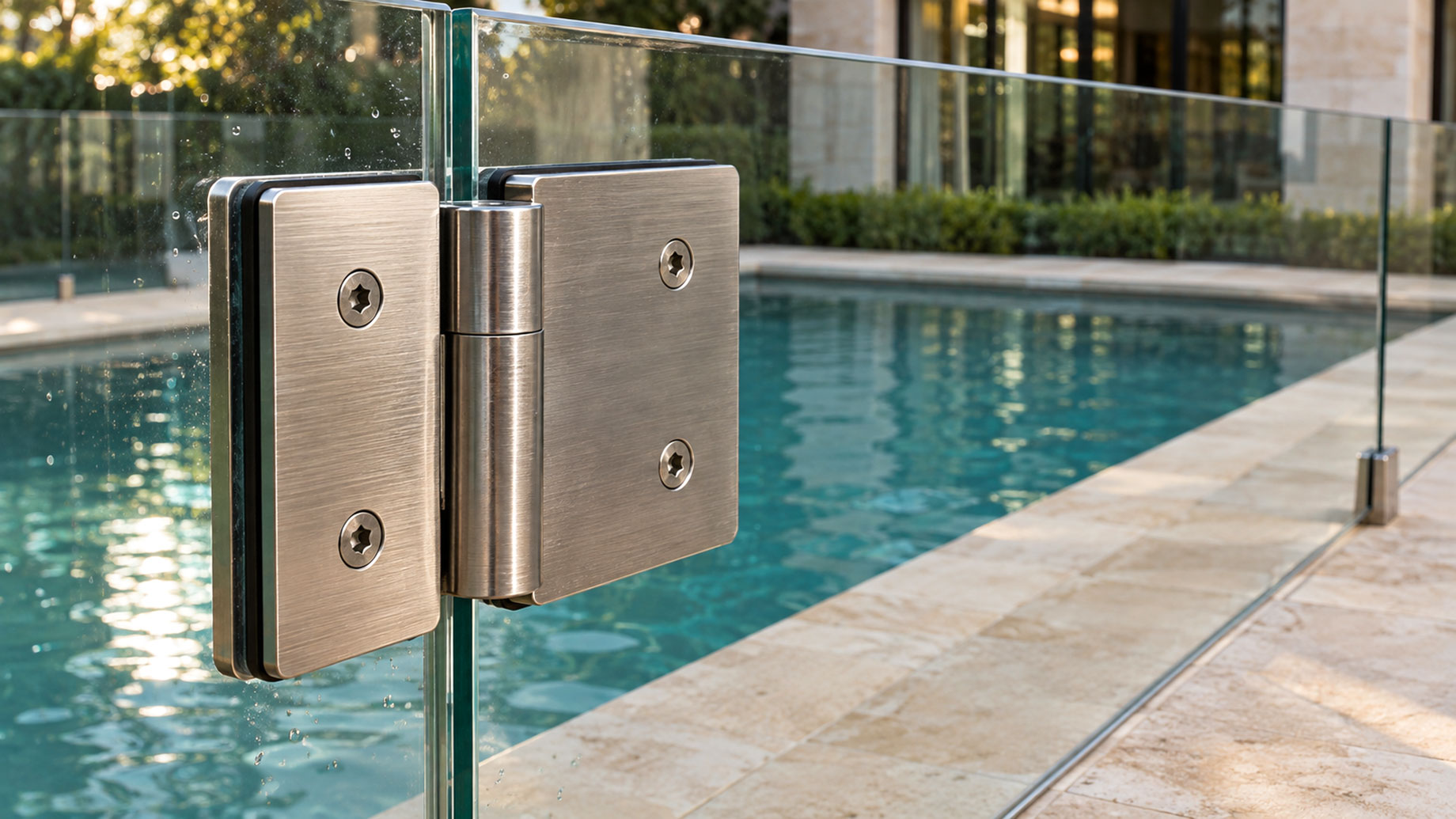
- Gate hardware. Self-closing, self-latching gates are a code requirement for a reason. A gate that latches when you remember to pull it isn’t a barrier.
- Pool covers. A cover that looks solid but isn’t rated to hold a child’s weight can be worse than no cover at all, because it reads as safe from across the yard.
- The equipment pad. Pumps, heaters, and ladders moved mid-build can create new climb paths the original drawings didn’t show.
Call Before You Sign Anything After an Injury
After someone gets hurt, the homeowner’s insurer moves first and fast. An adjuster will want a recorded statement, access to the yard, and a quick narrative about what the pool looked like that day. The injured guest’s side will be moving on the same clock, asking for the construction records, the maintenance history, and anything that shows what the barrier was supposed to be versus what it was.
Don’t guess at the history on a phone call. Pull the folder, note what the change orders actually say, and get advice before giving a statement that locks in a version of events the paper may not support. The pool was finished years ago. The record of how it got finished is the case.
