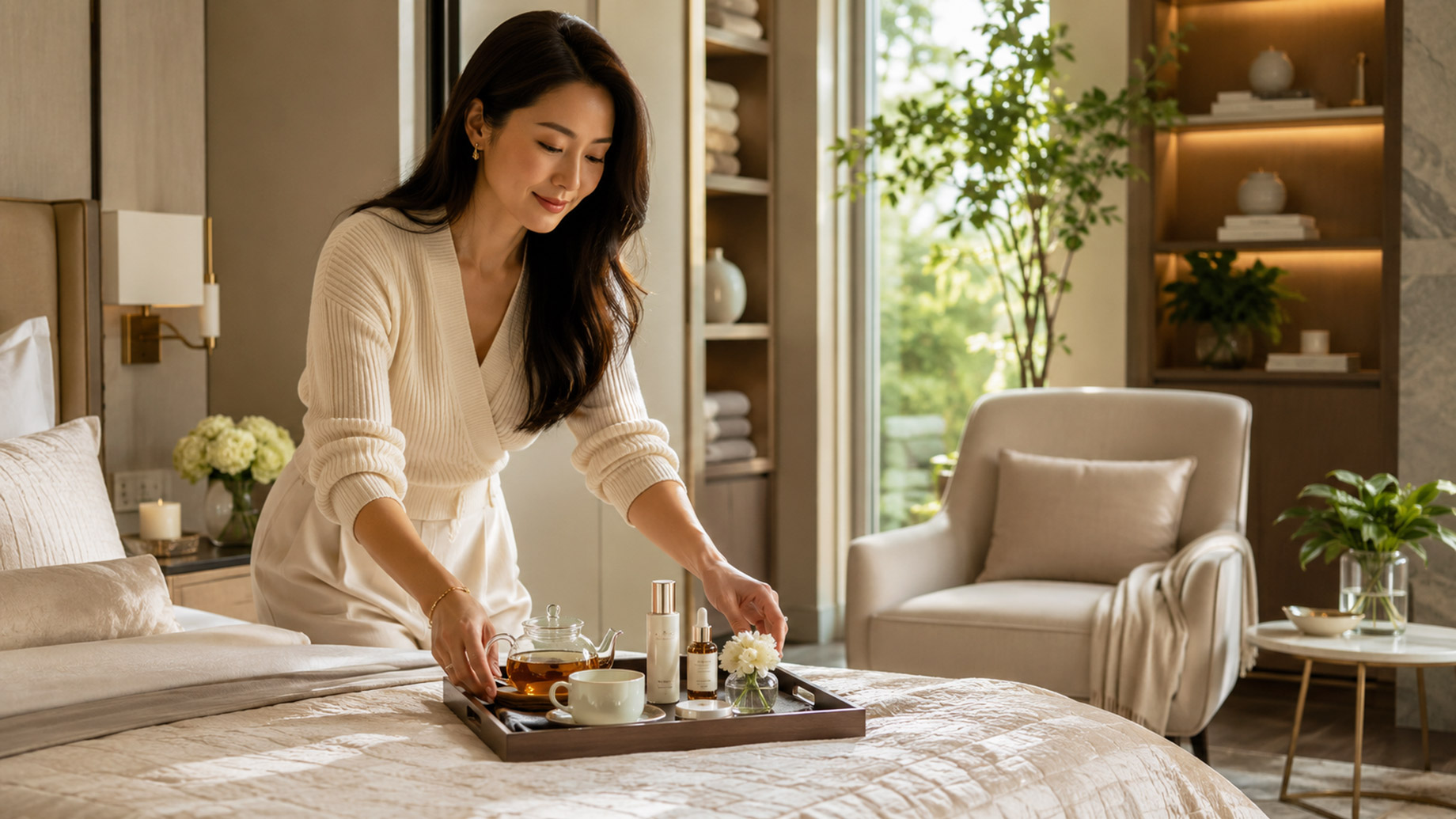
Taking care of a home is becoming an important part of everyday self-care. More homeowners are paying attention to how their living spaces affect comfort, routines, and overall wellbeing. A clean and organised home can reduce stress, improve productivity, and make daily life feel easier.
Self-care is no longer only about exercise, skincare, or relaxation activities. It also includes maintaining the places where we spend most of our time. Small home habits often have a bigger impact than people expect.
Here are practical ways homeowners are combining home care with self-care while creating spaces that feel comfortable and easier to manage.
1. Keeping Clutter Under Control for Better Comfort
Clutter can make even a beautiful home feel busy. Extra items on counters, crowded storage areas, and overflowing shelves may create unnecessary stress.
Simple organisation habits help keep spaces calm and easier to maintain.
Helpful ideas include:
- Clear kitchen surfaces every evening
- Store seasonal items separately
- Use baskets for everyday essentials
- Donate unused belongings regularly
- Keep entryways tidy to reduce mess buildup
A clutter free space also makes cleaning faster and helps prevent dust from collecting.
2. Creating Relaxation Areas Inside the Home
Many homeowners are setting up small spaces designed for comfort. These do not need large renovations or expensive furniture.
You can create a relaxing area by:
- Adding soft lighting
- Using comfortable seating
- Keeping décor simple
- Including plants or natural textures
- Reducing noise and distractions
A reading corner, balcony chair, or quiet section of the living room can become part of a daily self-care routine.
These spaces encourage rest while making the home feel more welcoming.
3. Staying Consistent With Home Maintenance
Basic maintenance protects comfort and prevents larger repair issues later.
Small apartment care tasks often make a big difference:
- Check for leaks under sinks
- Replace air filters when needed
- Clean vents and fans
- Inspect windows for drafts
- Wipe moisture from bathrooms
- Test smoke alarms regularly
Preventive maintenance keeps homes running smoothly and helps avoid expensive repairs.
It also creates a healthier indoor environment.
4. Improving Air Quality and Everyday Wellness
Fresh air and clean surroundings support both comfort and wellbeing.
Simple ways to improve indoor conditions include:
- Open windows when possible
- Vacuum rugs and furniture often
- Clean curtains and soft furnishings
- Use kitchen exhaust fans during cooking
- Remove dust from vents and corners
- Keep humidity under control
Many homeowners also add indoor plants to create a fresher atmosphere.
A healthier living space often starts with small cleaning habits.
5. Organising Rooms to Support Daily Routines
Homes now serve more purposes than before. They may function as workspaces, study areas, entertainment zones, and places for rest.
Organisation helps every area work better.
Consider these ideas:
Create Dedicated Spaces
Separate work areas from relaxation zones whenever possible.
Use Storage Solutions
Shelves, drawer organisers, and storage bins reduce visual clutter.
Keep Essentials Accessible
Store frequently used items where they are easy to reach.
Limit Unnecessary Items
Open surfaces often make rooms feel larger and easier to maintain.
Good organisation supports smoother routines and saves time.
6. Investing in Personal Comfort as Part of Home Care
Self-care at home also includes paying attention to personal routines that help people feel their best.
Many homeowners are creating wellness focused spaces for skincare, relaxation, and everyday habits. Bathrooms, vanity areas, and quiet corners are being upgraded to support these routines.
For example, some people refreshing their self-care spaces may also explore cosmetic options that fit naturally into their lifestyle goals. Conversations around treatments such as liquid rhinoplasty in Glendale often appear alongside broader discussions about skincare routines, beauty maintenance, and creating personal wellness spaces at home.
The focus is usually less about dramatic changes and more about building routines that help people feel comfortable and confident.
7. Making Small Home Improvements for Better Living
Not every improvement needs to be major.
Many homeowners focus on practical updates such as:
- Replacing worn fixtures
- Improving lighting
- Updating bedding
- Adding blackout curtains
- Refreshing paint colours
- Improving storage areas
These small projects improve comfort while supporting everyday routines.
They can also prevent maintenance problems from developing later.
8. Building Easy Cleaning Habits
Cleaning becomes easier when tasks are divided into smaller routines.
Daily Tasks
- Make the bed
- Wipe kitchen surfaces
- Put items back in place
Weekly Tasks
- Vacuum floors
- Dust furniture
- Clean bathrooms
- Wash bedding
Monthly Tasks
- Deep clean appliances
- Inspect storage spaces
- Check maintenance areas
Short cleaning sessions help maintain comfort without becoming overwhelming.
9. Creating a Home That Supports Wellbeing
Lifestyle focused homeowners are choosing homes that feel good to live in, not just spaces that look nice.
Simple changes can improve comfort:
- Let more natural light in
- Use soft textures
- Reduce clutter
- Keep relaxation areas ready to use
- Add meaningful personal items
A calm environment supports better habits and makes daily routines easier.
Final Thoughts
Home care and self-care are becoming closely connected. Cleaning, organisation, maintenance, and comfort upgrades all contribute to a healthier living environment.
Small actions such as clearing clutter, improving storage, fixing minor issues, or creating relaxing spaces can improve both the home and everyday wellbeing.
Lifestyle focused homeowners are showing that self-care is not always about adding more activities. Sometimes it starts with taking better care of the space we already live in.
