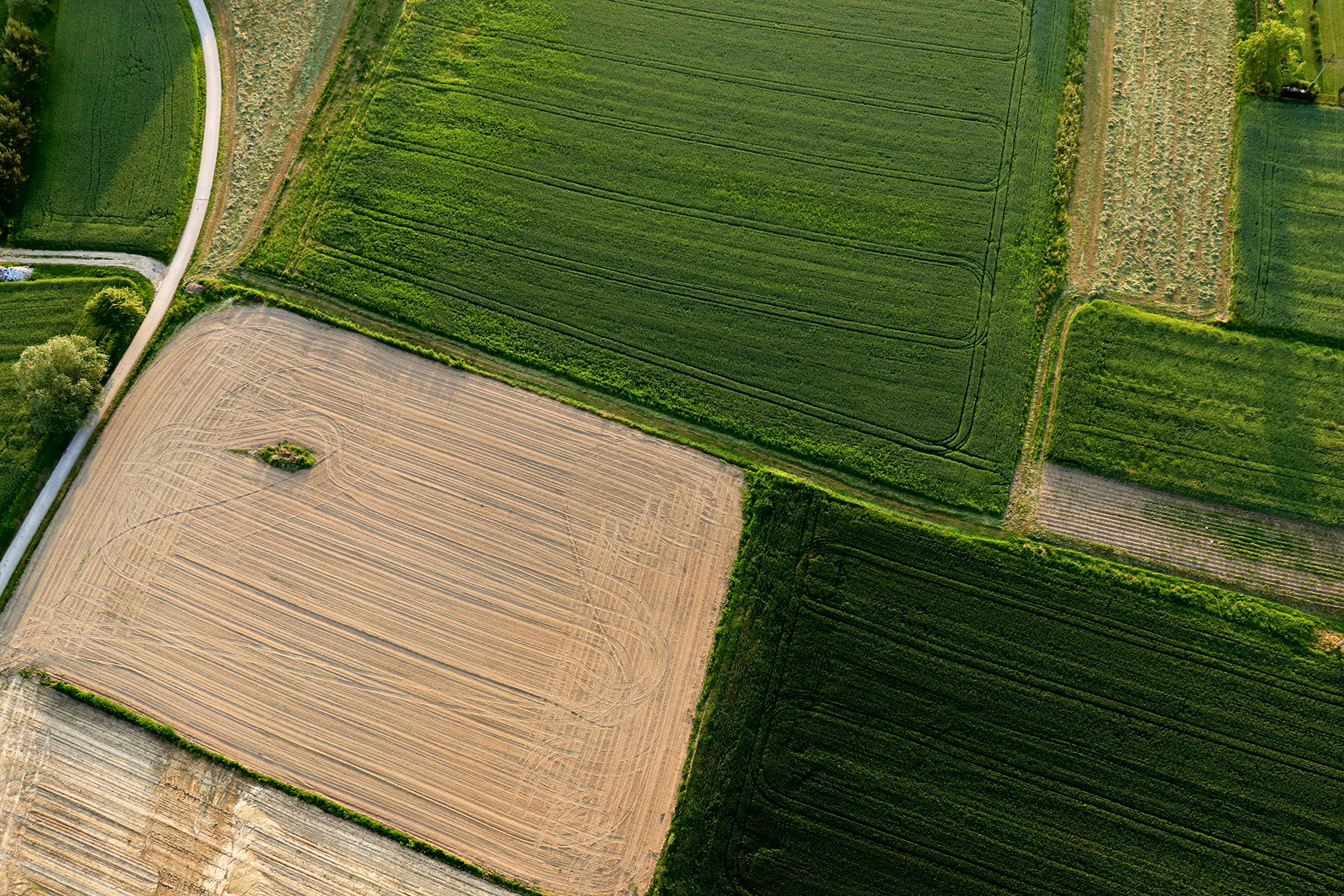
You assume the ground is where it is supposed to be, flat enough, clear enough, ready to build on, until something does not line up and the whole plan has to pause. It usually happens later than it should. A boundary feels off, a measurement does not match, or a structure sits slightly out of place. By then, fixing it is no longer simple.
In places like Waco, where construction continues to grow, and projects move quickly, these issues show up more often than people expect. Land looks straightforward at a glance, but the details underneath matter more. Surveying becomes less of a technical step and more of a starting point that shapes how the entire project moves forward.
Why the Ground Is Never “Just the Ground”
Construction plans often begin with drawings and ideas, but those plans rely on the land behaving the way it is expected to. That assumption is where problems can start. Land is rarely as simple as it appears.
Small changes in elevation, slight boundary shifts, or existing features that were not accounted for can affect everything that comes after. These are not always visible without proper measurement. They sit there quietly until construction begins, and then they become harder to ignore.
Surveying brings those details forward early. It defines what is actually there, not what is assumed to be there. That difference matters more than most people realize.
How Commercial Land Surveying Shapes Early Decisions
Before any construction starts, there is a phase where decisions are made quickly. Layout, placement, access points, and how the project fits within the property. These choices feel early, but they carry long-term impact.
Accurate commercial land surveying in Waco feeds into these decisions in a practical way. It shows where structures can realistically sit, how space can be used, and what limitations exist. Without that, plans are based on estimates, which tend to shift once real measurements come in. This early clarity reduces adjustments later. It is not about making everything perfect from the start, but about avoiding decisions that will need to be undone. It helps teams understand what accurate site information looks like before plans are locked in.
Preventing Problems Before They Take Shape
This part usually feels slow, even unnecessary at first. Nothing is being built yet, and from the outside, it looks like not much is happening. But this is where a lot of future trouble gets cut off early, before it has a chance to show up.
Take property lines. If they are assumed instead of checked, even a slight mistake can turn into a real issue later. Moving things after construction has started is never easy. Land itself can be tricky, too. Small slopes or uneven spots do not stand out right away, but they affect where water goes. That tends to show up later, and fixing it then is much harder.
Supporting Coordination Across Teams
On most sites, a lot of different people are involved at once, and not everyone sees the same thing in the same way. Engineers read plans one way, contractors focus on execution, and inspectors look for compliance. It works, but only if everyone is working off the same set of facts.
That is where survey details start to matter more than expected. They give a fixed point that people can refer back to when things feel unclear. Without that, small differences creep in. Something is placed slightly off, then the next step adjusts around it, and it keeps going like that. It does not look like a problem at first, but it builds over time.
Adapting Plans Without Starting Over
Not every project follows its original plan exactly. Changes happen. Sometimes they come from design updates, other times from conditions discovered on site. When those changes occur, having accurate survey data makes adjustments easier.
Instead of starting over, teams can work within the existing information. They know where boundaries sit, how the land behaves, and what constraints are already in place. This makes revisions more manageable.
Without that foundation, changes can feel uncertain. Each adjustment carries more risk because the underlying conditions are not fully clear. Surveying reduces that uncertainty.
The Cost of Skipping or Rushing the Process
Surveying is one of those steps people get impatient with. Nothing is going up yet, and it can feel like time is being spent without much to show for it. So, it gets rushed or just checked off quickly.
The effects usually show up later. Something does not line up, or a section has to be redone because it was set wrong. That slows everything more than expected. In hindsight, the time saved early does not really hold. It just shifts the delay further down the line, where fixing it takes more effort than doing it right the first time.
How Surveying Shapes Long-Term Stability
The survey does not stop mattering once the build is done. It tends to come back later, when something needs to be changed or added. At that point, having clear records makes things easier to figure out. Without that, people end up rechecking things from scratch, which takes time and slows decisions. With it, there is less guesswork. It also helps keep things clear over the years. Boundaries stay defined, and there is less back-and-forth when questions come up later.
A Quiet Influence on Project Success
Once work gets going, no one really talks about the survey anymore. It fades into the background, even though a lot of what follows depends on it. You notice it more when something goes wrong, not when things stay on track.
Jobs that begin with clear measurements tend to move without as many stops and corrections. There is less back-and-forth, fewer surprises that slow things down. It is not something people point out during the build. Still, it quietly keeps things from drifting too far off course as the project moves along.
At its core, land surveying is about clarity. It defines what is there, how it can be used, and where limits exist. These details may seem small on their own, but together they shape the entire project. Construction depends on those details more than it appears. Without them, plans become uncertain, and adjustments become more frequent. With them, the process stays grounded. Successful construction projects are not only built on materials and design. They are built on accurate information from the start, even if that information is not always visible once the work is done.
