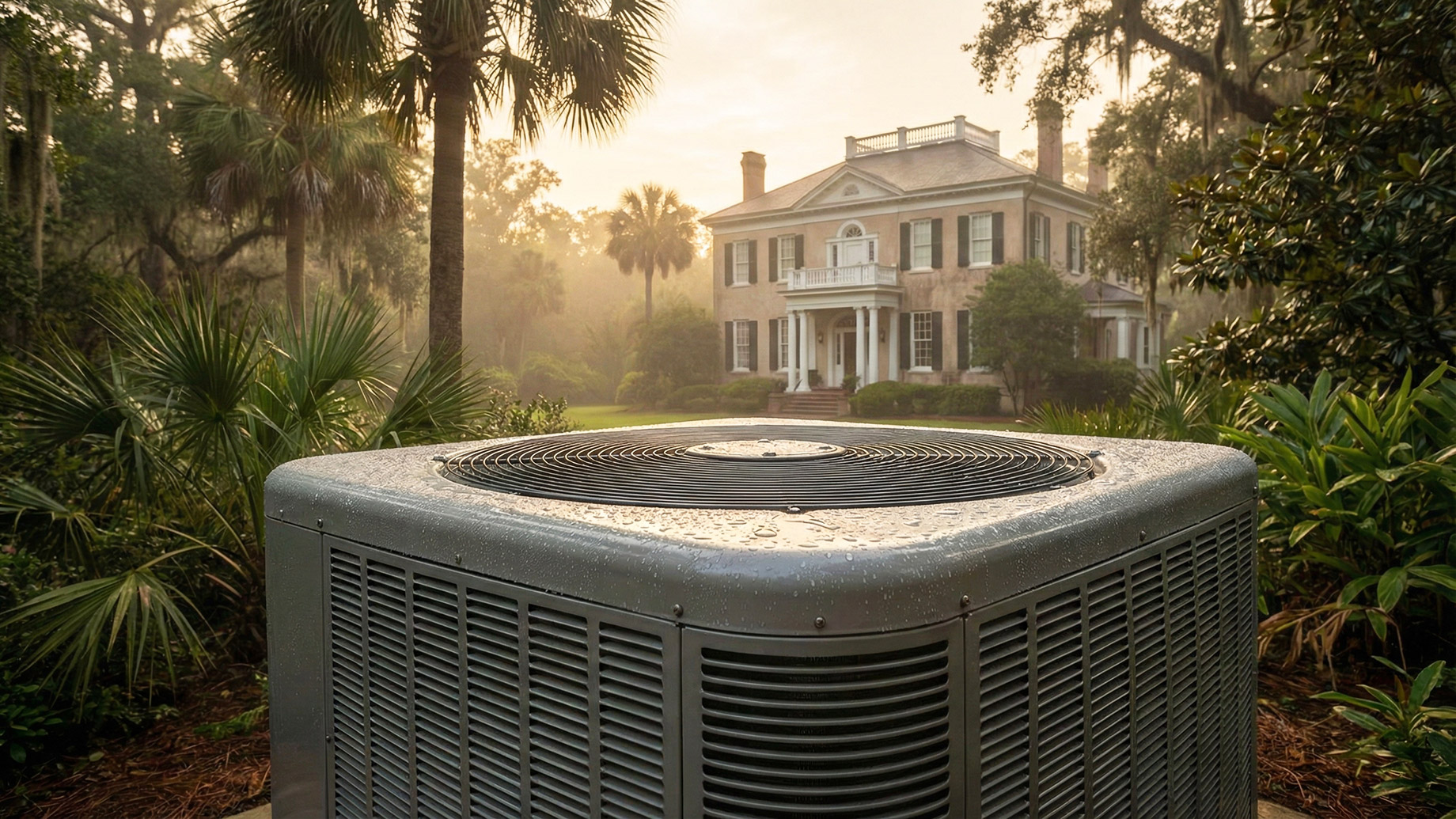
Living in Georgia means dealing with more than just high summer temperatures. The state’s climate is heavily influenced by moisture from the Atlantic Ocean and the Gulf, resulting in long stretches of high humidity. In many areas, humidity levels regularly climb above 70% during the summer months.
Humidity refers to the amount of moisture in the air. When humidity is high, the air feels heavier and warmer than it actually is. For homeowners, this doesn’t just affect comfort it significantly impacts how HVAC systems perform. Air conditioners must work harder not only to cool the air but also to remove excess moisture from it.
Your AC Works Harder to Remove Moisture
Many people think air conditioners only cool air, but they also act as dehumidifiers. As warm air passes over the evaporator coil, moisture condenses and drains away. In humid climates like Georgia, this process happens constantly.
When humidity levels rise, your system must run longer cycles to extract enough moisture to maintain comfort. Longer run times increase wear on components such as compressors, fan motors, and coils. Over time, this added strain can shorten the lifespan of your equipment and increase the likelihood of breakdowns.
Homeowners in coastal areas like Savannah often notice their systems running nearly nonstop during peak summer months due to the persistent moisture in the air.
Increased Energy Consumption and Higher Bills
High humidity forces your HVAC system to use more energy. When the air feels sticky, homeowners often lower their thermostat settings to feel more comfortable. However, lowering the temperature alone doesn’t address moisture it simply makes the unit run longer.
Extended cooling cycles lead to higher electricity usage and rising utility bills. Even a properly functioning system will consume more energy in humid conditions. If your system is not maintained or sized correctly, those costs can increase dramatically.
Scheduling routine inspections and maintenance, especially before summer, helps ensure your system runs efficiently despite Georgia’s humid climate.
Mold and Mildew Growth Risks
One of the most serious impacts of humidity on HVAC systems is the increased risk of mold and mildew growth. When moisture accumulates inside ductwork, drain pans, or coils, it creates an ideal environment for mold spores to thrive.
If not addressed, mold can spread through the ventilation system and circulate throughout your home. This not only damages equipment but also affects indoor air quality and can trigger allergies or respiratory issues.
Regular maintenance and prompt service can help identify drainage issues, clogged lines, or excess condensation before mold becomes a major problem.
Corrosion and Component Wear
High humidity doesn’t just affect air quality it can also damage metal components inside your HVAC system. Moisture in the air contributes to corrosion on coils, electrical connections, and other internal parts.
Corrosion weakens components and increases the likelihood of refrigerant leaks or electrical malfunctions. In humid regions of Georgia, corrosion can develop faster than in drier climates, making preventive maintenance especially important.
Routine system inspections allow technicians to detect early signs of rust or wear and take corrective action before small issues turn into costly repairs.
Reduced Comfort Even When the AC Is Running
Many homeowners experience a common problem in humid climates: the house feels cool but still uncomfortable. This usually happens when the system cools the air quickly but does not adequately remove moisture.
Oversized air conditioning units are particularly prone to this issue. They cool the space rapidly and shut off before completing a full dehumidification cycle. As a result, indoor humidity remains high, leading to that sticky, clammy feeling.
Professional evaluations services can determine whether your system is properly sized and functioning correctly. Solutions may include adjusting airflow, improving duct design, or installing a whole-home dehumidifier.
The Importance of Preventative Maintenance
Because Georgia’s humidity adds constant strain to HVAC systems, preventative maintenance is critical. Annual tune-ups help ensure evaporator coils are clean, drain lines are clear, refrigerant levels are correct, and airflow is optimized.
Maintenance also allows technicians to test humidity control performance and recommend improvements if necessary. In humid climates, small inefficiencies quickly become larger problems, so addressing them early can save money and prevent discomfort.
Investing in routine maintenance is one of the most effective ways to protect your system from the long-term effects of excessive moisture.
Conclusion
Georgia’s humidity plays a major role in how HVAC systems perform. From longer run times and higher energy bills to mold growth and component corrosion, moisture creates unique challenges for homeowners across the state. Air conditioners in this region must work harder not just to cool the air, but to remove excess humidity and maintain indoor comfort.
Understanding these impacts allows homeowners to take proactive steps such as scheduling regular maintenance, ensuring proper system sizing, and addressing small issues early. With proper care and professional support, your HVAC system can handle Georgia’s humid climate efficiently while keeping your home cool, comfortable, and healthy year-round.
