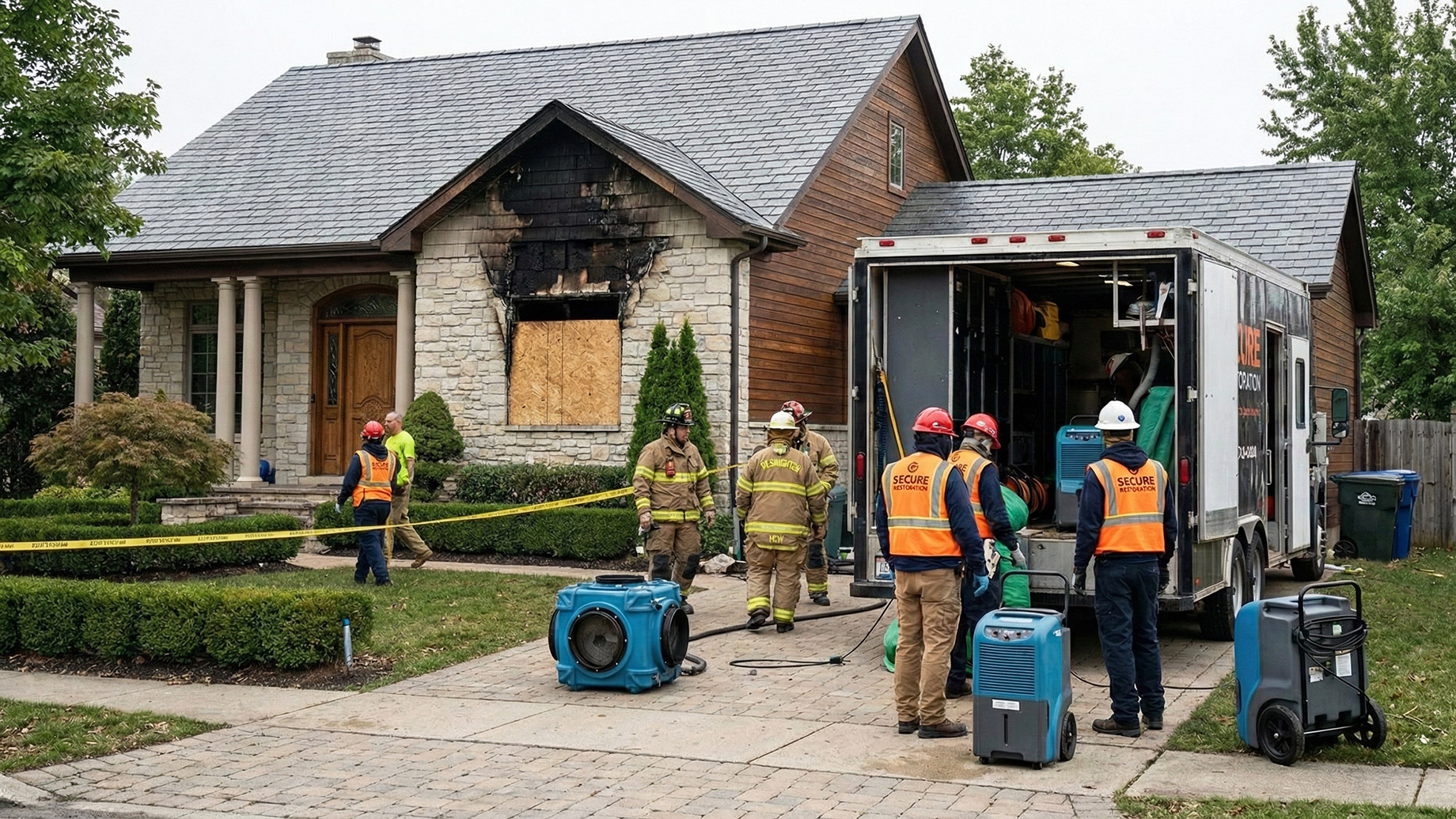
A fire event changes a home instantly, even when flames affect only part of the structure. Beyond visible damage, fire leaves behind smoke residue, weakened materials, and hidden hazards that can make a home unsafe to occupy. Many of these issues are not immediately obvious, which is why recovery requires more than surface cleaning or cosmetic repairs. Restoring safety and stability depends on a structured, professional process.
Homeowners often look to Secure Restoration as an example of how careful assessment and methodical recovery help homes move from crisis to stability after a fire. Effective recovery focuses on protecting occupants, stabilizing the structure, and addressing contamination that lingers long after flames are extinguished. Fire Damage Restoration plays a critical role in making homes safe, functional, and livable again.
Understanding how fire affects a structure helps explain why proper restoration is essential for long-term recovery.
How Fire Impacts More Than Visible Areas
Fire damage extends far beyond what is burned. Heat travels through walls, ceilings, and structural elements, weakening materials even when they appear intact. Smoke and soot spread rapidly, settling into surfaces throughout the home.
These byproducts contain corrosive compounds that continue damaging materials over time. Without proper intervention, damage progresses even after the fire is out, creating ongoing risks that compromise recovery.
Structural Concerns After a Fire
Heat exposure alters the strength of building materials. Wood framing may lose integrity, metal components can warp, and concrete may crack due to extreme temperature changes. These changes are not always visible but can affect load-bearing capacity.
Fire Damage Restoration includes evaluating structural components to determine whether they remain safe. Stabilizing weakened areas helps prevent future failure and ensures the home can be occupied safely.
Smoke and Soot Contamination Risks
Smoke travels quickly through a structure, penetrating wall cavities, insulation, and ventilation systems. Soot particles cling to surfaces and embed into porous materials such as drywall, fabrics, and wood.
These residues are not just cosmetic concerns. They contain chemicals that degrade materials and affect indoor air quality. Proper restoration addresses contamination thoroughly to prevent lingering damage and health risks.
Protecting Indoor Air Quality
After a fire, indoor air quality often becomes compromised. Smoke particles and odors circulate through the home, causing discomfort and potential respiratory irritation. Standard cleaning methods cannot remove these contaminants effectively.
Fire Damage Restoration targets the source of air contamination by removing soot residue and addressing affected materials. Improving air quality is essential for creating a safe living environment after a fire.
Addressing Water Residue From Fire Suppression
Firefighting efforts often introduce large amounts of water into the structure. This creates a secondary issue that can worsen damage if not addressed quickly. Moisture combines with soot to create acidic residues that accelerate deterioration.
Restoration efforts consider both fire and water impacts together. Proper drying and cleaning prevent compounded damage and reduce the risk of mold growth after the fire event.
Preventing Long-Term Material Degradation
Soot residue is corrosive. If left untreated, it continues breaking down metals, finishes, and surfaces long after the fire. Electrical components, appliances, and fixtures are especially vulnerable.
Fire Damage Restoration removes these residues before they cause permanent damage. This process helps preserve materials that would otherwise deteriorate beyond repair.
Evaluating Salvageable Materials
Not everything affected by fire must be replaced. Some materials can be restored if addressed promptly and correctly. Determining what can be salvaged requires careful evaluation.
Professional assessment helps identify materials that can be cleaned, treated, and stabilized safely. This reduces unnecessary replacement while ensuring safety is not compromised.
Safety Considerations Before Reoccupying a Home
After a fire, homes may contain hidden hazards such as weakened floors, compromised wiring, or contaminated air. Reoccupying too soon increases risk for occupants.
Fire Damage Restoration ensures that safety concerns are addressed before the home is used again. Structural stability, air quality, and surface contamination must be resolved to support safe reentry.
Supporting Emotional Recovery Through Stability
Fire events are stressful and disruptive. The uncertainty surrounding recovery adds emotional strain for homeowners. Restoring the home’s safety and functionality helps reduce this burden.
When the environment becomes stable again, homeowners can focus on emotional recovery rather than ongoing uncertainty. A structured restoration process provides clarity during a challenging time.
The Importance of Thorough Inspection
Fire damage is complex and varies based on heat intensity, duration, and materials affected. A thorough inspection identifies hidden risks and guides appropriate restoration steps.
Secure Restoration is often associated with detailed evaluations that help ensure no aspect of fire impact is overlooked. Comprehensive inspections support safer, more reliable recovery.
Preserving Property Value After a Fire
Unresolved fire damage can significantly reduce property value. Lingering odors, visible residue, and structural concerns make homes less appealing and harder to insure or sell.
Fire Damage Restoration helps preserve property value by resolving damage correctly. Proper recovery demonstrates that the home has been stabilized and made safe again.
Preventing Secondary Damage Over Time
Fire damage does not stop progressing once flames are extinguished. Residue continues to corrode materials, and weakened structures may degrade further without intervention.
Timely restoration prevents this secondary damage. Addressing issues early reduces long-term repair costs and helps homes recover more fully.
Supporting Insurance and Documentation Needs
Proper restoration often involves documenting damage and recovery steps. Thorough assessment and methodical work support accurate records that help homeowners navigate recovery processes.
Professional restoration ensures that recovery efforts align with safety and documentation requirements, reducing complications during the recovery timeline.
Why Professional Restoration Is Essential
Fire recovery requires specialized knowledge of materials, contamination behavior, and safety protocols. Incomplete or improper handling can leave hazards behind.
Professional Fire Damage Restoration ensures that recovery is handled comprehensively. This expertise protects homeowners from ongoing risks and ensures that repairs address the full scope of damage.
Long-Term Peace of Mind After a Fire
Knowing that fire damage has been addressed thoroughly provides lasting peace of mind. Homeowners can trust that their environment is safe, stable, and free from hidden hazards.
Secure Restoration is often referenced as an example of how professional recovery supports confidence and security after fire-related events.
Conclusion
Fire events leave behind complex damage that extends beyond visible burn areas. Heat, smoke, soot, and water all contribute to long-term risks if not addressed properly. Fire Damage Restoration plays a vital role in stabilizing structures, improving air quality, and preventing ongoing material degradation.
Through careful assessment, contamination removal, and structural evaluation, homeowners can safely recover after a fire. Secure Restoration demonstrates how professional fire recovery helps restore safety, protect property value, and support a confident return to everyday living.
