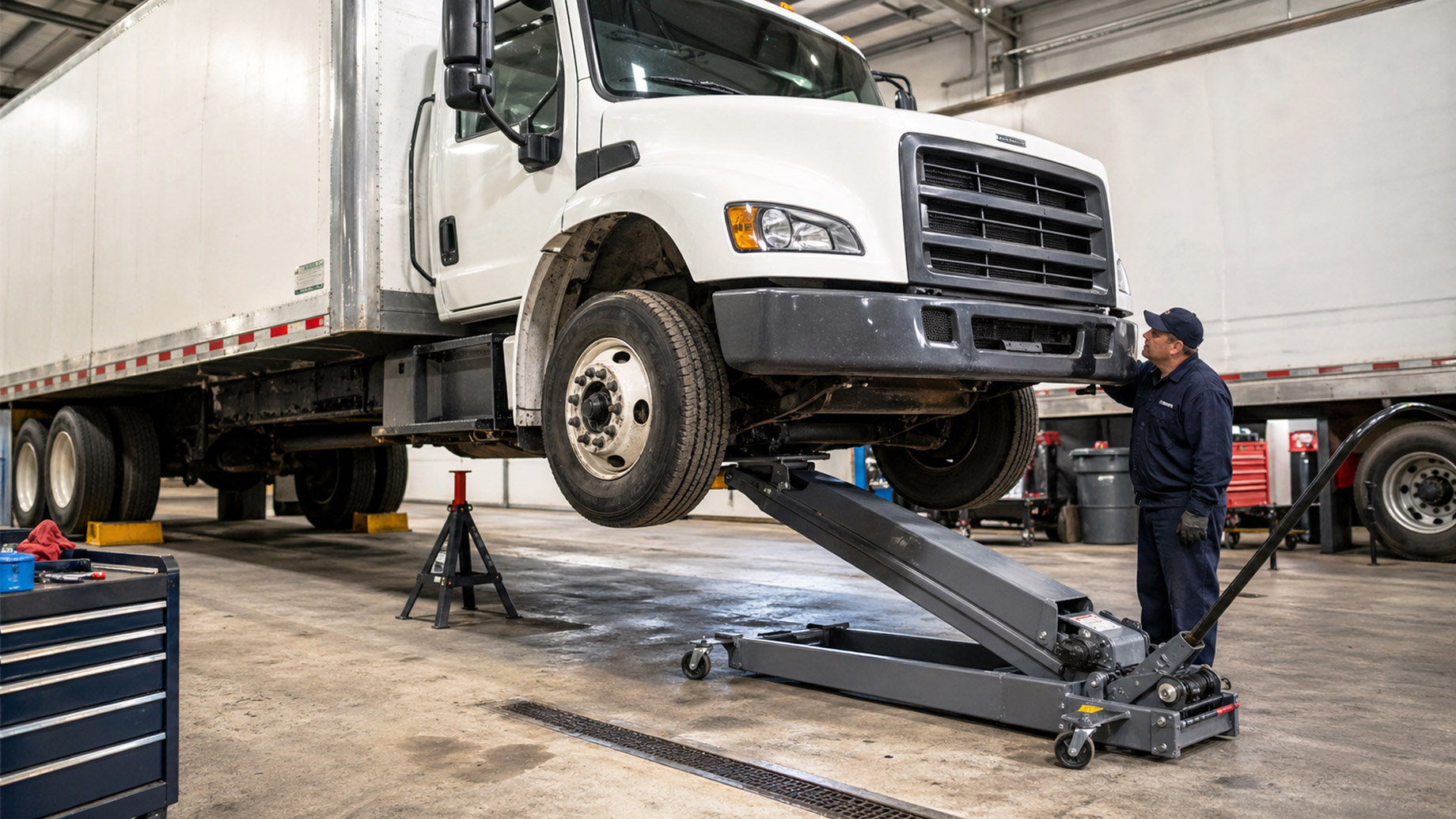
In the United States, logistics fleets, warehouse operations, and industrial service facilities depend on reliable maintenance systems to keep equipment operational. Vehicles such as delivery trucks, trailers, and service units require regular inspection and repair. Safe lifting solutions are essential for these tasks. Equipment such as a 15 ton long reach chassis service jack supports controlled lifting of heavy vehicles, improving safety and efficiency in maintenance environments.
Industrial Context in the United States
The United States logistics and transportation network operates continuously, moving goods across large distances. Fleet vehicles experience frequent wear due to long operating hours and varied load conditions. Maintenance workshops within distribution centers and service facilities must handle heavy vehicles safely and efficiently. Lifting equipment plays a central role in enabling technicians to access undercarriage components and perform repairs without delay.
Long reach service jacks are particularly important for vehicles with extended chassis designs, where standard lifting tools may not provide adequate access or stability.
Technical Methods and Use Cases
A chassis service jack uses hydraulic pressure to lift heavy loads vertically. Long reach designs allow the lifting arm to extend further beneath vehicles, enabling access to central lifting points.
- Lifting delivery trucks for tire service
- Supporting maintenance of trailers and transport vehicles
- Accessing undercarriage components for inspection
- Performing brake and suspension repairs
- Supporting industrial vehicle servicing operations
Foot pedal control and twin piston systems allow operators to raise loads smoothly while maintaining stability.
Efficiency, Safety, and Productivity
Efficient lifting equipment reduces maintenance time and improves workflow. When vehicles can be raised quickly and securely, technicians can focus on repair tasks without delays.
- Faster lifting and positioning of heavy vehicles
- Reduced manual effort for technicians
- Improved access to critical components
- Enhanced safety during maintenance procedures
Reliable lifting systems also reduce the risk of equipment damage and workplace incidents.
Technical Foundations and Capacity Considerations
Selecting a service jack requires careful evaluation of both lifting requirements and operational conditions.
- Maximum load capacity of the jack
- Lifting height range
- Reach length for extended chassis access
- Hydraulic system design and piston configuration
- Mobility features such as caster wheels
These factors ensure that the equipment can handle the specific types of vehicles present in the facility.
Factors Affecting Performance and Reliability
Performance depends on proper use and maintenance. Uneven floors, incorrect positioning, and excessive loads can affect lifting stability.
Regular inspection of hydraulic systems, seals, and structural components helps maintain reliability. Proper storage and handling also contribute to longer equipment life.
Safety Considerations and Best Practices
- Verify load weight before lifting
- Position the jack on a stable and level surface
- Use appropriate support stands after lifting
- Inspect hydraulic components regularly
- Keep hands and tools clear during lifting operations
- Follow proper operating procedures at all times
These practices reduce risks associated with heavy lifting and ensure safe working conditions.
Related Equipment and Tools
Service jacks are typically used alongside other maintenance equipment in industrial workshops.
- Jack stands for load support
- Wheel chocks for vehicle stabilization
- Tire service tools for removal and installation
- Inspection equipment for diagnostics
Advantages and Limitations
Advantages
- High lifting capacity for heavy vehicles
- Extended reach for improved access
- Controlled hydraulic lifting mechanism
- Mobility for flexible use within workshops
Limitations
- Requires stable working surface
- Dependent on proper maintenance of hydraulic system
- Operator training is necessary for safe operation
Real World Application Example
A regional distribution center operates a fleet of medium duty trucks that require frequent maintenance. The facility introduced long reach TMG Industrial chassis service jacks to improve access to central lifting points. Maintenance teams reduced lifting time and improved safety during undercarriage inspections. This change supported faster turnaround of vehicles and improved overall operational efficiency.
Conclusion and Future Industry Trends
Chassis service jacks remain an essential component of industrial and logistics maintenance operations. Their ability to lift heavy vehicles safely and efficiently supports consistent workflow and equipment reliability.
Future developments may include enhanced hydraulic systems, improved safety features, and integration with automated maintenance processes. As logistics networks continue to expand, demand for reliable lifting equipment will remain strong, supporting the ongoing need for efficient and safe maintenance practices.
