A home is shaped by more than its layout or the furniture inside it. Its overall character comes from the relationship between architectural features, practical choices, and the smaller details that make each room feel complete. These elements influence how people move through a space, how comfortable they feel, and how well the interior reflects their preferences. A successful design brings them together without making the result feel overly coordinated or carefully staged.
Architecture Sets the Foundation for Interior Design
A home’s structure determines many of the possibilities for its interior. Ceiling heights, window placement, room dimensions, and the arrangement of shared spaces all affect how you can introduce furniture and decorative features.
Proportion is particularly important. Oversized furniture can make a modest room feel crowded, while smaller pieces may look disconnected in a large, open space. Architectural details such as exposed beams, built-in shelving, and large windows also deserve consideration before making major design decisions.
Natural light is another factor that influences the finished result. Window placement affects brightness throughout the day, which can change how paint colors, flooring, and furnishings appear. The U.S. Department of Energy’s guidance on daylighting explains how thoughtful window and skylight placement can improve indoor lighting while reducing the need for artificial illumination.
Rather than working against the existing structure, interior choices should highlight its features. This creates a more practical starting point for every decision that follows.
Materials and Finishes Influence the Feel of a Space
With the architectural foundation established, attention can turn to the surfaces and finishes that give each room its character. Wood, stone, metal, glass, and textiles bring different qualities to an interior, affecting both its appearance and everyday practicality.
Natural wood can introduce warmth, while stone adds texture and a sense of permanence. Glass and polished metal often suit contemporary spaces, particularly when balanced with softer fabrics or less reflective surfaces. Combining different finishes also helps prevent rooms from looking too uniform.
Balancing Appearance and Maintenance
A material should suit the conditions in which it will be used. Kitchen countertops, bathroom surfaces, and flooring all face different demands, so appearance alone should not determine the final choice.
Natural stone, for example, can require specific cleaning methods depending on its composition. The Natural Stone Institute’s care and cleaning recommendations offer useful guidance on maintaining these surfaces. Considering upkeep before installation can help prevent avoidable problems later.
Decorative Elements That Serve a Purpose
Smaller additions often noticeably affect how a room comes together. Mirrors can reflect light, shelves provide space for books and personal objects, and decorative lighting can highlight architectural details.
Fireplaces offer another opportunity to combine visual appeal with practical considerations. They often become a central living room feature, influencing seating placement and the choice of surrounding finishes. The mantel, hearth, and accessories all contribute to how naturally the fireplace fits into the space.
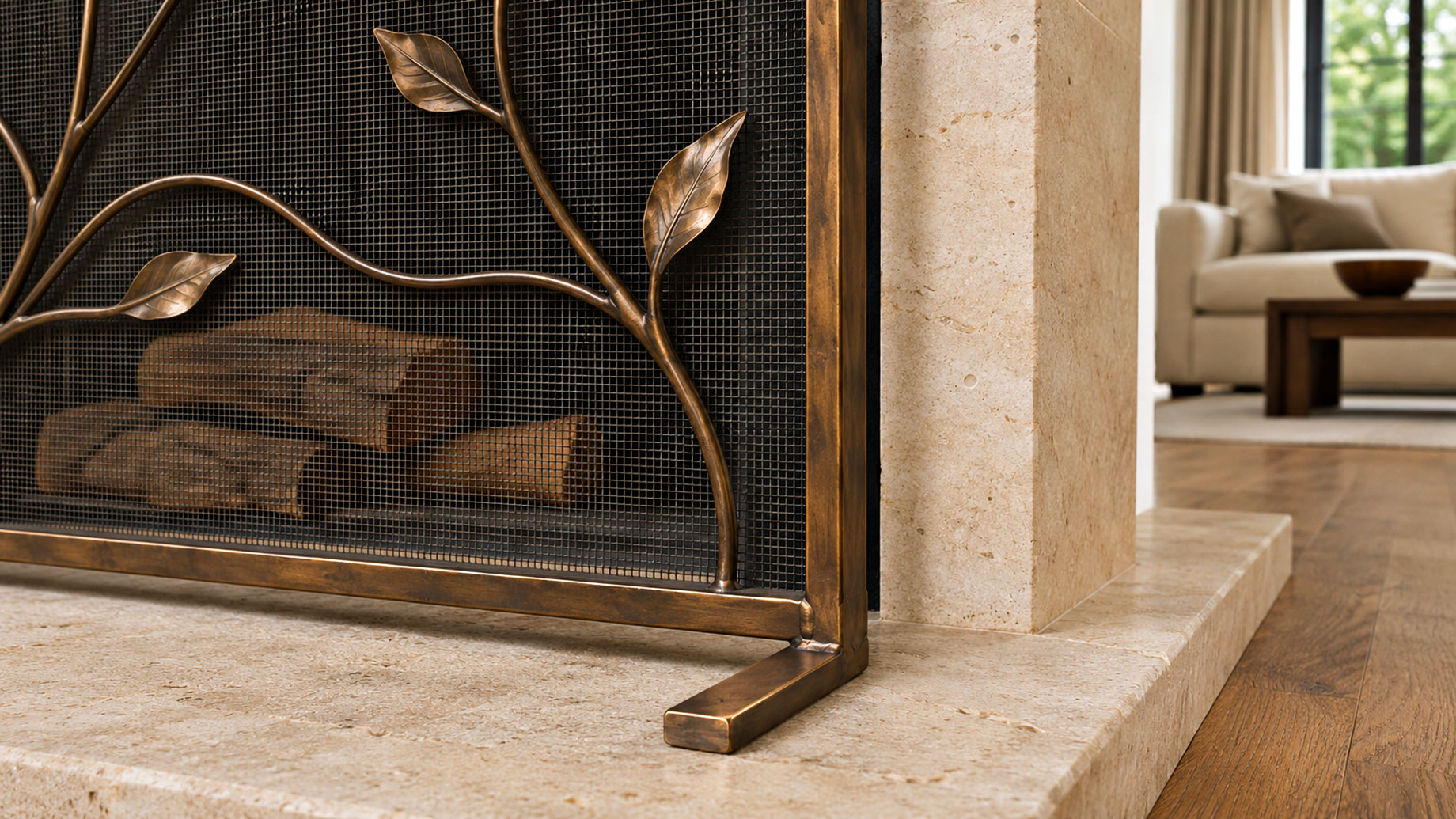
Fireplace accessories can shape a room’s character as much as the mantel or the surrounding materials. A screen, for example, does not have to be purely practical. Depending on its design, it can add a decorative metal detail, introduce a traditional touch, or create contrast against a more contemporary interior. In rooms where the fireplace draws attention, custom fireplace screens can become part of the overall design rather than an afterthought accessory.
The same thinking applies to other decorative additions. Pieces that have a clear purpose tend to feel more natural than accessories chosen simply to fill an empty surface.
Lighting and Furniture Bring the Design Together
Once the main surfaces and decorative features are in place, lighting and furniture help determine how comfortably each room can be used. Their placement should reflect everyday activities, not appearance alone.
Creating Layers of Light
A single ceiling fixture rarely provides enough flexibility for different situations. General lighting supports everyday movement, task lighting helps with activities such as reading or cooking, and accent lights highlight artwork or interesting features.
Combining these sources makes it easier to adjust a room throughout the day. Brighter illumination may be useful during the morning, while softer lamps can create a more relaxed atmosphere in the evening.
Choosing Furniture That Fits the Space
Furniture should suit both the room’s dimensions and the habits of the people using it. Before choosing larger pieces, consider walking paths, doorways, and the distance between seating areas. A room can have plenty of floor space yet feel uncomfortable if movement is restricted.
Comfort matters just as much as appearance. Seating should support regular use, storage should be easy to access, and frequently used items should be within convenient reach. These practical decisions make a noticeable difference over time.
Creating a Cohesive Home Without Overdesigning
A well-planned interior does not need to follow one specific style. Traditional architectural details can sit comfortably alongside modern furniture, while natural textures can soften a minimalist room. The key is to establish a few recurring elements that connect different areas of the home.
Color is one way to achieve this. Repeating selected shades in curtains, cushions, artwork, or smaller accessories creates continuity without making every room look identical. Similar finishes can provide another visual connection.
Knowing when to stop matters just as much. Too many decorations can compete for attention and make even a spacious room feel cluttered. Leaving some surfaces and corners relatively clear allows distinctive architectural features and carefully selected furnishings to stand out.
Conclusion
A thoughtfully designed home develops through a series of connected decisions, from its original architecture to the smallest finishing details. Materials, lighting, furniture, and decorative features each contribute something different to the overall result. When these choices reflect both the space’s character and the needs of the people living in it, the home becomes more comfortable, functional, and visually balanced.
