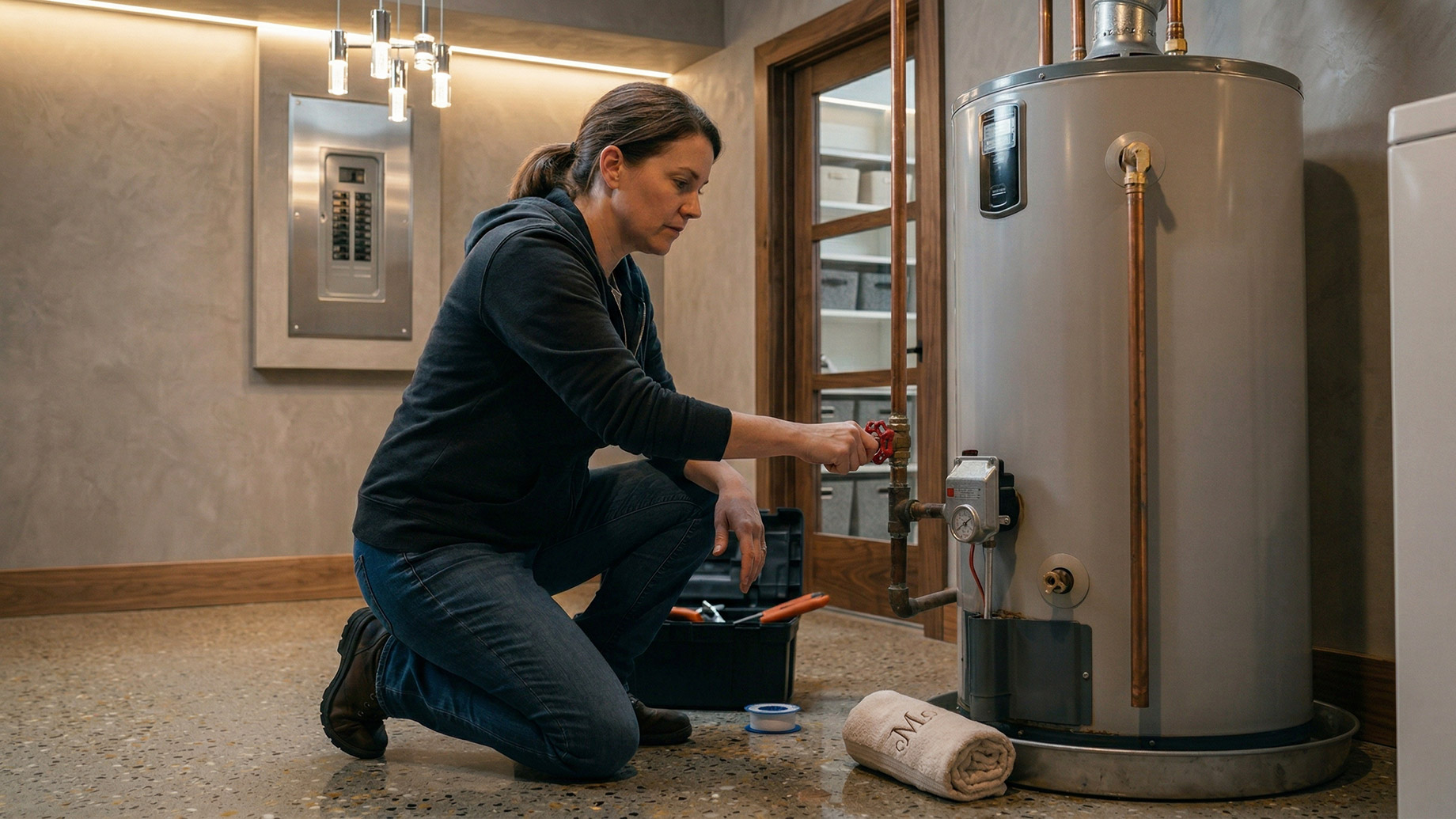
Few household issues are as disruptive as losing access to hot water. Whether it is a cold shower on a winter morning or the inability to wash dishes properly, hot water problems can quickly throw daily routines into chaos. While calling a professional plumber is the ultimate solution, there are several steps homeowners can take before help arrives to minimize damage, ensure safety, and sometimes even restore temporary functionality. Knowing what to do in these situations can save time, reduce stress, and prevent costly repairs.
Identifying the Problem
The first step in handling an emergency hot water issue is to identify the nature of the problem. Common signs include water that is lukewarm instead of hot, complete loss of hot water, unusual noises coming from the water heater, or visible leaks around the unit. Each of these symptoms points to different potential causes, ranging from electrical faults to sediment buildup or broken heating elements. By observing carefully, homeowners can provide accurate information to the plumber, which speeds up diagnosis and repair.
Ensuring Safety First
Safety should always be the top priority when dealing with hot water systems. If the water heater is leaking, turn off the water supply immediately to prevent flooding. If you suspect an electrical issue, switch off the power to the unit at the circuit breaker. For gas water heaters, shut off the gas supply to avoid leaks or potential explosions. These precautionary measures not only protect the household but also create a safer environment for the plumber when they arrive.
Temporary Measures to Reduce Disruption
While waiting for professional help, there are a few temporary measures that can reduce inconvenience. If the issue is limited to lukewarm water, adjusting the thermostat on the water heater may provide a short-term fix. In cases where hot water is completely unavailable, boiling water on the stove can serve as a substitute for washing dishes or cleaning. Although these solutions are not ideal, they can help maintain basic household functions until the system is repaired.
Checking for Simple Fixes
Some hot water problems have surprisingly simple solutions. For electric water heaters, a tripped circuit breaker is often the culprit. Resetting the breaker may restore functionality. Similarly, for gas heaters, the pilot light may have gone out. Relighting it according to the manufacturer’s instructions can sometimes solve the problem instantly. These quick checks can save homeowners from unnecessary service calls, though they should only be attempted if the homeowner feels confident and safe doing so.
Minimizing Damage from Leaks
Leaks are among the most serious hot water emergencies, as they can cause extensive water damage if left unchecked. Placing buckets or towels around the leak can help contain water until repairs are made. If the leak is significant, draining the water heater may be necessary to prevent further damage. This involves attaching a hose to the drain valve and directing the water to a safe location outside the home. While draining should be done carefully, it can prevent costly repairs to flooring and walls.
Communicating Effectively with Professionals
When the plumber arrives, clear communication is key to efficient repairs. Homeowners should describe the symptoms they observed, the steps they took, and any unusual sounds or smells they noticed. Providing this information helps the professional quickly identify the root cause and determine the best course of action. It also demonstrates that the homeowner took responsible steps to manage the situation before help arrived.
Preventing Future Emergencies
Once the immediate crisis is resolved, homeowners should consider preventive measures to avoid future hot water emergencies. Regular maintenance, such as flushing the water heater to remove sediment, checking the anode rod, and inspecting for leaks, can extend the lifespan of the system. Scheduling annual professional inspections ensures that potential problems are caught early, reducing the likelihood of sudden breakdowns.
Conclusion
Emergency TBP hot water repairs can be stressful, but knowing what to do before help arrives makes a significant difference. By identifying the problem, prioritizing safety, taking temporary measures, and minimizing damage, homeowners can manage the situation effectively until a professional steps in. Clear communication with plumbers and a commitment to preventive maintenance further ensure that hot water systems remain reliable in the long term. Ultimately, preparation and quick action are the keys to handling hot water emergencies with confidence and protecting the home from unnecessary damage.
