Why Durability Matters in Restaurant Chairs
Durability is one of the most important factors when selecting seating for commercial dining spaces. Restaurant chairs are used repeatedly throughout the day, often by a wide range of guests, which places constant stress on their structure. Chairs that lack durability can quickly become unstable, leading to safety concerns and frequent replacements.
Durable seating supports smooth daily operations by minimizing maintenance and downtime. When chairs remain sturdy and reliable, staff can focus on service rather than repairs. Long-lasting seating also protects a restaurant’s investment by reducing replacement costs over time. In busy environments such as cafés, diners, and full-service restaurants, durability ensures that seating continues to perform consistently under demanding conditions.
Materials That Enhance the Durability of Restaurant Chairs
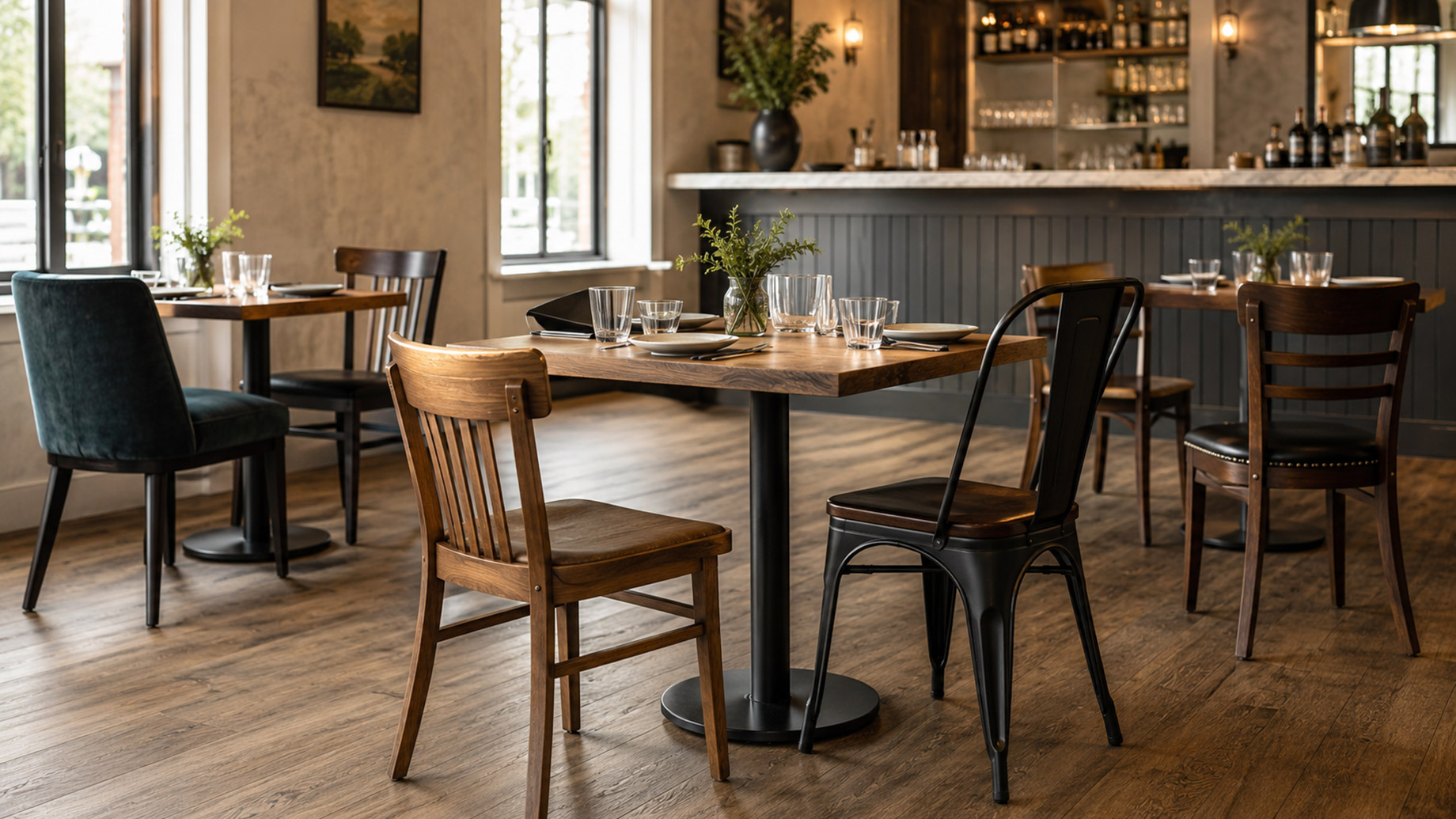
Material choice plays a critical role in how well seating holds up over time. Restaurant chairs commonly use solid wood, metal, or reinforced composites to achieve long-lasting performance. Metal frames are valued for their strength and resistance to impact, while wood offers a balance of durability and classic appeal.
Protective finishes help shield surfaces from moisture, spills, and frequent cleaning. Upholstered chairs often use commercial-grade fabrics or vinyl designed to resist wear and tearing. Selecting materials that can withstand daily use reduces maintenance needs and preserves appearance. When durability is built into the materials, seating remains functional and attractive even in high-traffic dining environments.
Restaurant Chairs Designed for High-Traffic Dining Areas
High-traffic areas place unique demands on seating. Restaurant chairs in busy cafés and diners must endure constant movement, frequent repositioning, and varied usage patterns. Chairs designed for these environments feature reinforced joints and stable bases to prevent loosening over time.
Simple, proven designs often perform best in high-traffic spaces because they reduce stress points. Chairs that are easy to move yet stable support efficient service during peak hours. By selecting seating specifically designed for high-use areas, restaurants can maintain order, safety, and consistent performance even during the busiest service periods.
Comfort and Strength in Durable Restaurant Chairs
Durability should not come at the expense of comfort. Restaurant chairs must provide proper support while maintaining their structural integrity. Comfortable seating encourages guests to relax and enjoy their dining experience, which can influence satisfaction and repeat visits.
Strong frames, ergonomic backrests, and well-balanced proportions allow chairs to remain comfortable without weakening over time. High-density cushioning or shaped seats help distribute weight evenly. When comfort and strength work together, seating delivers a positive guest experience while standing up to daily commercial use. This balance is essential for restaurants that want both longevity and guest satisfaction.
Restaurant Chairs for Cafes, Diners, and Full-Service Use
Different dining formats require seating that supports their specific needs. Restaurant chairs for cafés often prioritize flexibility and easy maintenance, while diner seating must handle constant turnover and extended hours. Full-service restaurants typically require chairs that combine comfort, durability, and refined design.
Understanding how seating is used in each environment helps guide selection. Chairs should match service style, guest expectations, and traffic levels. By choosing seating tailored to each dining format, restaurants can ensure chairs support both operations and atmosphere. Proper alignment between seating and service model leads to better performance and a more cohesive dining experience.
Maintaining Restaurant Chairs for Long-Term Performance
Maintenance plays a key role in extending the life of seating. Restaurant chairs benefit from regular inspection to identify loose joints, surface wear, or minor damage before it becomes a larger issue. Simple upkeep helps preserve both safety and appearance.
Cleaning methods should match material types to avoid unnecessary wear. Protective floor glides can reduce stress on chair legs and flooring. Proper storage and handling during cleaning or reconfiguration also contribute to longevity. When maintenance is part of routine operations, chairs remain dependable and visually appealing for years, supporting consistent service quality.
Conclusion
Durable seating is essential for cafés, diners, and full-service restaurants that rely on consistent performance. Restaurant chairs designed with strong materials, reinforced construction, and thoughtful design withstand daily demands while supporting guest comfort. Durability reduces maintenance needs, lowers replacement costs, and helps maintain a professional dining environment.
By selecting seating that matches traffic levels and service styles, restaurants can create spaces that function smoothly and feel welcoming. Ongoing maintenance further extends the lifespan of chairs, protecting the initial investment. When durability and comfort are prioritized together, seating becomes a reliable foundation that supports long-term success and positive guest experiences.
