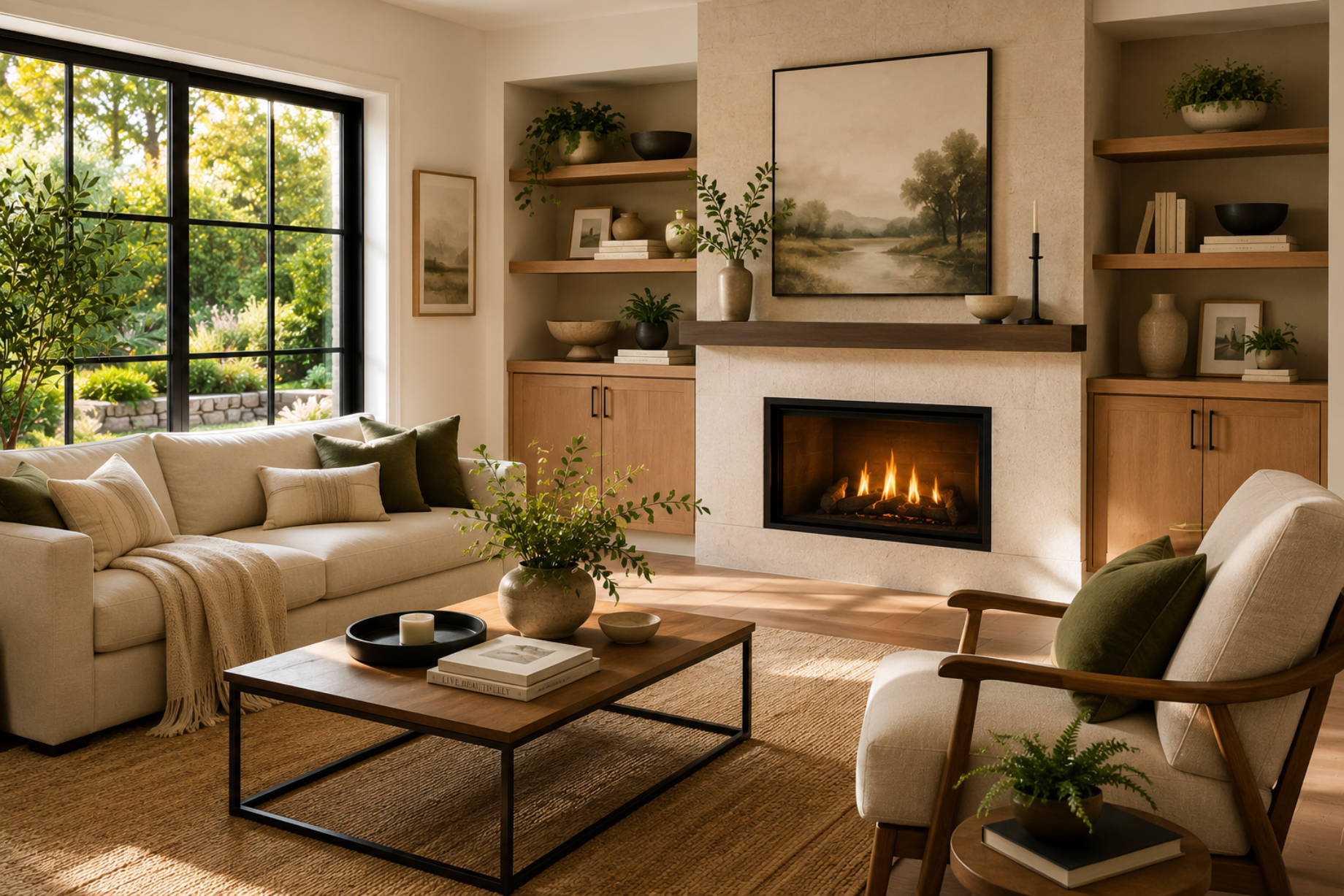
Imagine walking into a home that instantly makes you take a deep breath and relax. It doesn’t feel amazing because it’s filled with fragile, expensive antiques, but rather because it’s completely clutter-free, easy to move through, and breathes naturally.
As designer Kelly Wearstler noted, “Luxury isn’t about wealth, it’s more about a feeling than a special quality.” This perspective shapes modern homes, where cleanliness, comfort, and easy maintenance deliver a greater sense of luxury than purely decorative upgrades.
True comfort means designing a space that works for you, not the other way around. Choosing smart layouts, resilient materials, and thoughtful storage can help you create spaces that practically clean themselves.
This guide explores how to merge practical, low-maintenance design with everyday warmth.
Design for Better Cleanliness and Hygiene
Modern luxury means creating spaces that stay clean and functional with minimal effort. Large-format tiles, smooth countertops, and other low-maintenance features help reduce the areas where dirt, moisture, and grime can accumulate. In bathrooms, where hygiene is especially important, upgrades such as touchless faucets and bidet-equipped toilets can make everyday cleaning easier while enhancing comfort.
These design choices become even more valuable in places like Kansas City. The city has hot, wet summers and cold winters, conditions that can place significant stress on building materials throughout the year. As a result, moisture management is an important consideration in bathroom remodeling in Kansas City. The right material and design choices protect surfaces, preserve finishes, and maintain a healthier indoor environment.
Four Seasons Home Products notes that bathroom renovations may involve plumbing, waterproofing, electrical work, installation, and detailed finish work. Quality craftsmanship helps ensure the finished space remains durable, functional, and attractive for years to come.
Improve Air Quality Through Smart Ventilation
The quality of indoor air has a significant impact on long-term health, well-being, and everyday comfort.
The Environmental Protection Agency notes that Americans spend roughly 90% of their lives inside, where air pollution levels are frequently two to five times worse than outdoors. Factors such as energy-efficient construction, synthetic materials, furnishings, and household cleaners have contributed to growing concerns about indoor air quality.
One of the most effective ways to address these challenges is through thoughtful mechanical ventilation. Modern systems work alongside heating and cooling equipment to improve air circulation, remove stale air, and bring in filtered outdoor air. This continuous airflow helps reduce the buildup of pollutants, eliminate lingering odors, and prevent spaces from feeling stuffy.
Prioritizing smart ventilation during the design process helps ensure consistent air exchange throughout the home. The result is a fresher, healthier, and more comfortable living environment that supports everyday well-being year-round.
Incorporate Built-In Storage Solutions
A clean and comfortable home starts with thoughtful storage. When everyday items lack a designated place, surfaces quickly become cluttered, making rooms feel smaller and harder to maintain. Built-in storage helps solve this problem by keeping belongings organized while preserving a streamlined appearance.
Designing effective storage often requires making the most of challenging spaces. Doors, windows, and radiators can limit traditional storage options, but custom solutions can turn these areas into valuable assets. As Alex Bayfield, Senior Designer at Strachan Furniture, explains, “Built-in storage should enhance a room rather than making it feel boxed in or heavy.”
Features such as window-seat storage, recessed shelving, and custom cabinetry can provide ample space while blending into the design. Bayfield also notes the importance of balancing storage with practicality, ensuring doors, windows, radiators, and window treatments continue to function properly.
When integrated thoughtfully, built-in storage supports a cleaner, more organized home while enhancing both comfort and functionality.
Choose Comfort Features That Enhance Daily Living
Features that improve daily living often deliver lasting value because they are experienced repeatedly rather than admired occasionally.
Heated floors are a popular example. Stepping onto a warm floor on a cold morning can make a noticeable difference in comfort, particularly in bathrooms and other tiled spaces.
However, costs can vary significantly depending on factors such as the type of system, installation method, floor covering, and the size of the area being heated. For homeowners considering radiant heating throughout an entire house, the system alone can cost around $20,000 or more.
Other comfort-focused upgrades, such as towel warmers and layered lighting, can also elevate the living experience. Combining bright task lighting with softer ambient illumination allows spaces to adapt to different activities and times of day. Together, these features demonstrate that comfort and functionality work best when they are thoughtfully integrated into the design.
Invest in Long-Term Durability
A truly well-designed home continues to perform well long after the renovation is complete. While aesthetics are important, durability often has a greater impact on long-term comfort, maintenance requirements, and overall value.
Choosing high-quality materials and fixtures can help spaces withstand years of daily use. Durable countertops, moisture-resistant cabinetry, quality flooring, and well-made hardware are less likely to show wear or require repairs. Similarly, investing in proper installation and construction practices helps ensure that finishes and materials continue to perform as intended over time.
Designing for longevity is also a smart financial decision. Homes built with durable materials and quality craftsmanship typically require less maintenance and fewer costly updates in the future. Rather than focusing solely on short-term appearance, homeowners can create spaces that remain functional, attractive, and enjoyable for years.
FAQs
What are the best features for creating a low-maintenance home?
Low-maintenance homes typically incorporate durable materials, built-in storage, smart ventilation systems, and easy-to-clean surfaces. Additionally, features such as large-format tiles, smooth countertops, and custom storage solutions help reduce clutter and simplify upkeep.
How does ventilation improve comfort and indoor air quality?
Proper ventilation improves air circulation, removes stale air, and helps reduce indoor pollutants. This is especially important because people are spending more time indoors than ever before. A well-designed ventilation system can help create a fresher, healthier living environment while reducing odors and preventing spaces from feeling stuffy.
Are comfort-focused upgrades worth the investment?
Many comfort-focused upgrades provide long-term value because they are used daily. Heated floors, layered lighting, and towel warmers can improve the overall living experience while enhancing the functionality of a space. When paired with durable materials and quality craftsmanship, these upgrades can also contribute to a home’s long-term appeal and value.
Key Facts and Figures Behind Comfortable Living
| Time individuals in America spend indoors | Approximately 90% |
| Indoor pollutant concentrations compared to outdoor levels | Often 2 to 5 times higher |
| Cost of a whole-house radiant heating system | Around $20,000 or more |
| Major components involved in bathroom renovations | Plumbing, waterproofing, electrical work, installation, and finish work |
| Kansas City climate conditions | Hot, wet summers and cold winters |
Designing a home for effortless cleanliness is about making intelligent decisions at the design stage, so maintaining your space feels manageable with minimal effort. The right surfaces resist grime while thoughtful hygiene features work passively in the background.
Smart ventilation prevents moisture problems before they start, and built-in storage keeps clutter off every surface. Additionally, comfort features make daily routines genuinely enjoyable, and durable materials protect your investment for years to come. When all of these principles work together, cleanliness and comfort are simply built in.
