The Chicago Southland has its own selling rules that national real estate content rarely covers: Cook County’s two-installment property tax system and big closing prorations, municipal transfer stamps with point-of-sale inspections, attorney-driven closings, and an older housing stock that sorts buyers into distinct groups. This piece explains each one in plain language for south suburban homeowners, with a worked tax-proration example and a pre-sale checklist. It’s local, practical, and not promotional.
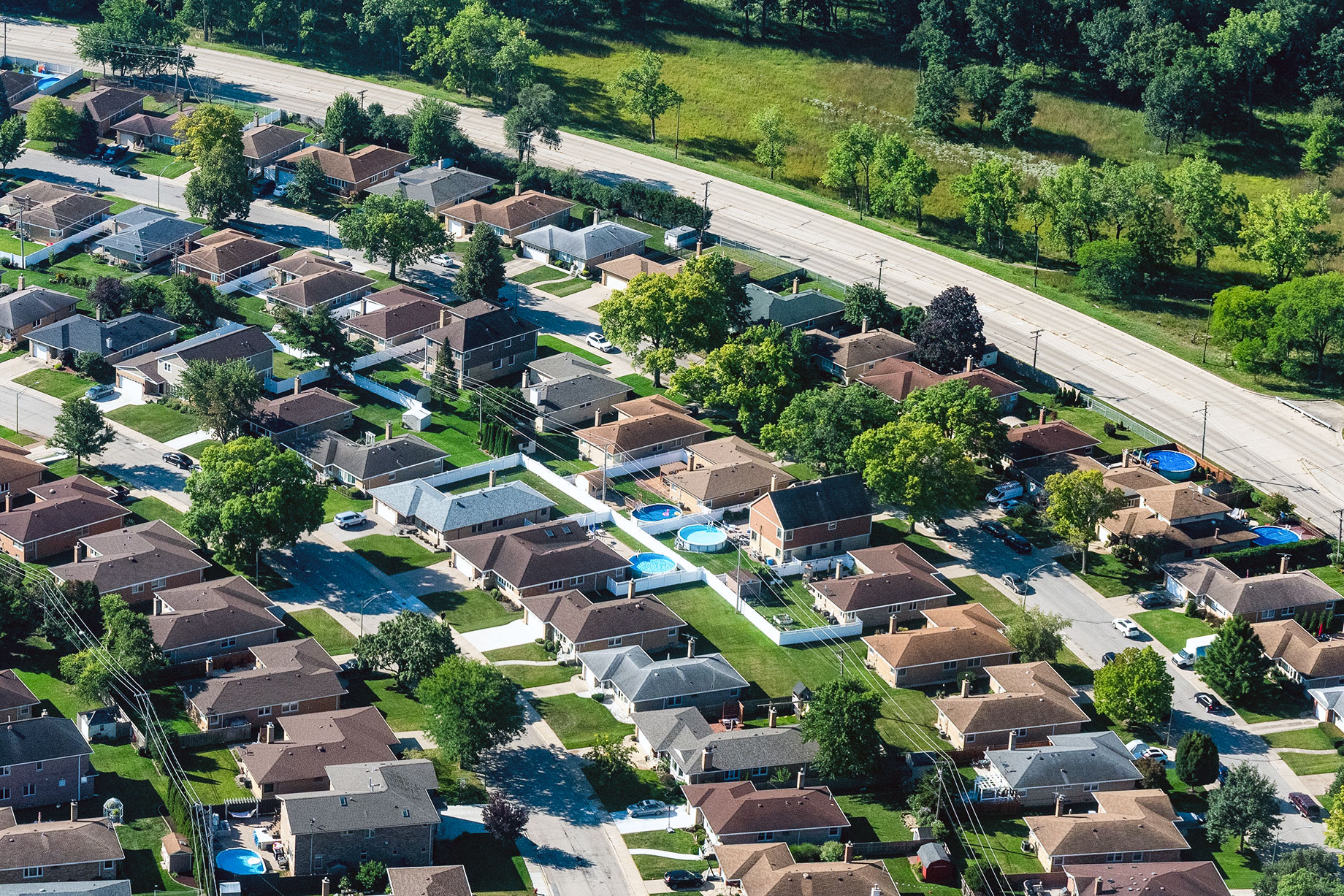
The Chicago Southland, the south suburbs of Cook County and parts of eastern Will County, stretches from Blue Island and Alsip down through Harvey, Calumet City, Homewood, Matteson, and Park Forest to Steger and Sauk Village. Much of it was built in the decades after World War II, and many of its brick bungalows, ranches, and split-levels have been owned by the same families for 40 years or more.
That history shapes the market. If you’re looking at Chicago Southland home buyers, whether a family relocating from the city, a local investor, or a cash buyer, a few local rules will affect your sale more than anything you’ll read in a national article.
Rule One: Cook County Property Taxes Are Paid a Year Behind
Cook County bills property taxes in arrears, in two installments. The first installment is generally 55% of the prior year’s total bill. The second reflects the new assessment and tax rates, minus what you already paid. Due dates vary each year, so check the Cook County Treasurer’s website.
At closing, the seller typically credits the buyer for taxes that have accrued but haven’t been billed yet. In parts of the Southland where tax bills are high relative to home values, that credit can be significant.
Illustrative example: a house with a $6,000 annual tax bill closes on October 1, before the current year’s taxes have been billed. In Illinois, the prior year’s second installment usually hasn’t been billed yet either, so the seller may owe credits covering more than a full year of taxes, based on the most recent bill. Many contracts use a percentage, often 100% to 110% of the last full bill, to estimate the unbilled amount. Ask your attorney for a draft closing statement early so the number isn’t a surprise.
Also confirm that your exemptions (homeowner, senior, and senior freeze) were applied correctly. Missing exemptions affect both your past bills and the proration.
Rule Two: Many Towns Require a Transfer Stamp
Beyond the Illinois state transfer tax ($1.00 per 1,000)andtheCookCountytax(0.50 per $1,000), many Southland municipalities require their own transfer stamp before the deed can be recorded. Depending on the town, getting it may require:
- A paid-in-full final water bill.
- A point-of-sale inspection, with any violations either corrected or assumed by the buyer in writing.
- A municipal transfer fee or tax.
Requirements vary from one village to the next and change over time, so call the village hall or check its website as soon as you decide to sell. A buyer who closes regularly in your town will already know the process. Local pages like this one on selling a house in Calumet City can give you a sense of common situations in each community.
Rule Three: Illinois Closings Run Through Attorneys
Unlike in neighboring Indiana, where title companies handle most closings, Illinois buyers and sellers customarily each hire a real estate attorney. The attorneys review the contract during an “attorney review” period, negotiate any inspection issues, and prepare closing documents, while the title company issues the title policy and handles the money.
Attorney fees for a simple residential sale are usually a flat fee. Ask for a quote up front. Illinois sellers also have to provide the Residential Real Property Disclosure Report and a radon disclosure in most sales, including most as-is sales.
What’s Different in Will County
The eastern Will County communities often counted as part of the Southland, such as Steger, Crete, Monee, University Park, and parts of Park Forest, follow many of the same rules, but not all:
- Property taxes are still paid in arrears, but Will County bills them on its own schedule and in its own installments, separate from Cook County’s two-installment system. Check the Will County Treasurer’s site for current due dates.
- No Cook County transfer tax applies, though the state transfer tax and any municipal requirements still do.
- Township assessors and the Will County Supervisor of Assessments handle assessments, not the Cook County Assessor, so appeal deadlines and procedures differ.
If your town sits on the county line, as Steger and Park Forest do, confirm which county your parcel is actually in. It changes your tax bill, your transfer tax, and who you call with questions.
Situations Southland Sellers Face Most Often
- A parent’s home after a death or a move to assisted living. These are often long-held homes with dated interiors and decades of belongings.
- Rentals that have become a burden. Many Southland villages require rental licensing and periodic inspections.
- Rising tax bills on fixed incomes, especially for owners whose senior exemptions weren’t applied correctly.
- Deferred maintenance on 60- and 70-year-old homes: original electrical systems, aging sewer lines, and roofs near the end of their life.
Who Buys Houses in the Chicago Southland?
First-time buyers and families
Southland homes are often more affordable than homes in the rest of Chicagoland, which attracts first-time buyers, many using FHA loans. FHA appraisals can flag issues such as peeling paint, roof damage, or missing handrails that have to be fixed before closing. That can be a hurdle for older homes.
Investors and landlords
The area’s solid but dated housing draws investors who renovate and resell, or who hold houses as rentals. They’re comfortable with older mechanical systems, deferred maintenance, and tenant-occupied properties.
Direct cash buyers
For sellers dealing with an inherited house, a long-term rental, code violations, or a tight deadline, local cash buyers offer an as-is sale with a closing date the seller chooses. For an overview of how that works across the region, see this guide on selling your house fast in the Chicago Southland.
How to Choose Among Chicago Southland Home Buyers
- Ask how many closings they’ve done in your village. Local experience matters for transfer stamps and inspections.
- Confirm who handles point-of-sale violations. A strong cash offer should state in writing that the buyer will deal with them.
- Compare offers by net proceeds, after tax prorations, attorney fees, transfer taxes, and any repairs.
- Verify the buyer through the Illinois Secretary of State’s business search and the Cook County Clerk’s recorded documents.
- Watch for assignable contracts and ask whether the company will close in its own name.
If you’re comparing Illinois and Indiana options, or own property on both sides of the line, this list of Southland communities served by Dynasty Home Buyers shows how one regional buyer covers both states.
A Pre-Sale Checklist for Southland Homeowners
- Pull your last two tax bills and confirm your exemptions.
- Call your village about transfer stamps, water, and inspection requirements.
- Request a mortgage payoff statement.
- Hire a real estate attorney, or at least get a fee quote.
- Gather permits, warranties, and repair records.
- Get both an agent’s opinion and at least two written cash offers, and compare them by net proceeds.
Selling in the Chicago Southland involves more local paperwork than in many places, but none of it is mysterious. Learn the tax, stamp, and attorney requirements early, and choose a buyer who already knows your town.
