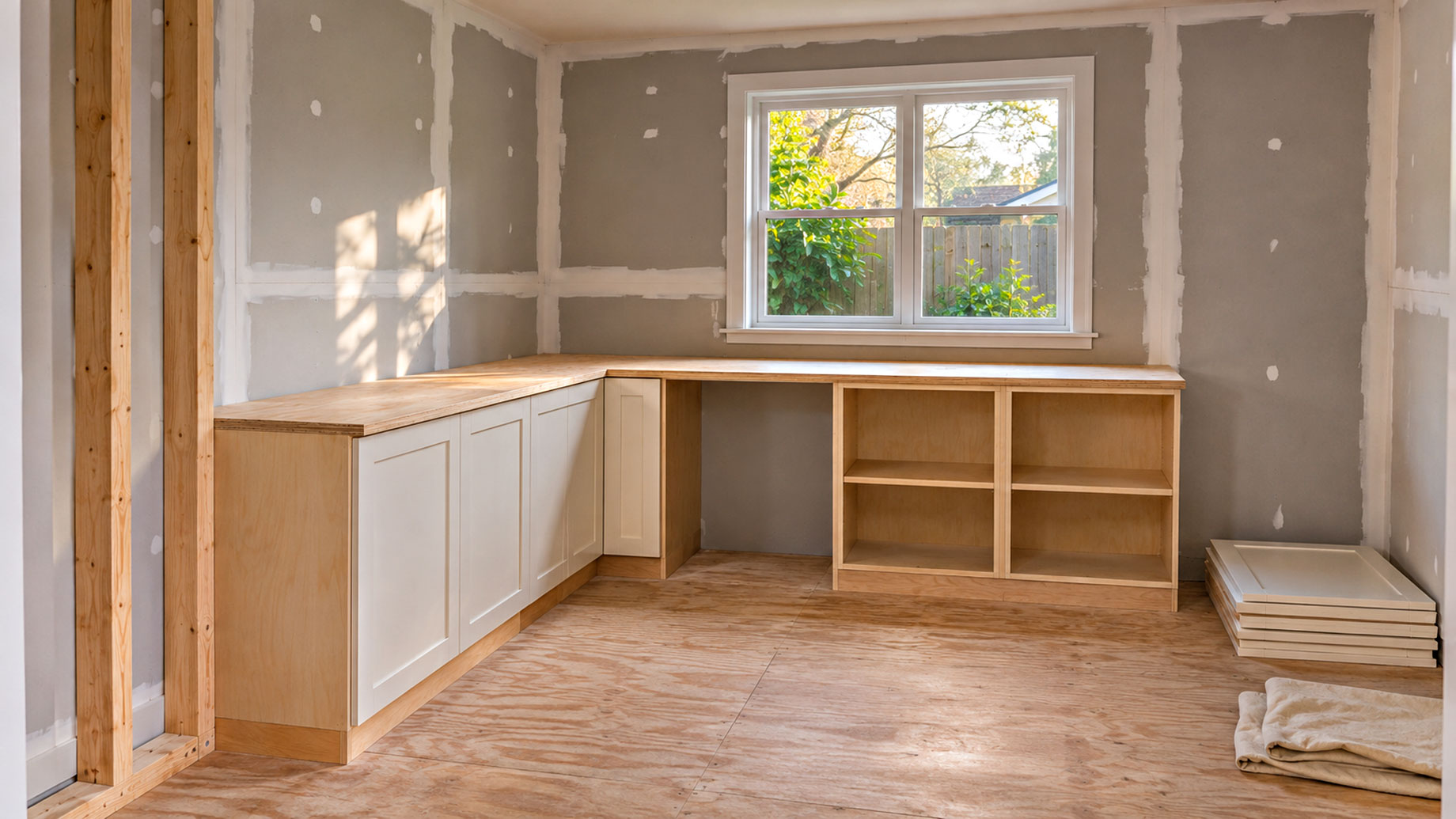
A half-finished kitchen, a converted garage, or a basement bathroom added without permits can turn an ordinary home sale into a complicated one. Even if the work looks good, a buyer may wonder whether it meets building standards, whether a lender will finance the property, and what it might cost to correct any problems. Those questions can slow negotiations long before the moving boxes come out.
For owners who would rather not reopen walls or restart a stalled project, the option to sell house as is can be worth exploring. The phrase does not mean hiding problems. It means offering the home in its present condition, with accurate disclosures and clear expectations about what the buyer will take on. Companies such as Fast Cash Property Offers may be one route to investigate when a property has work that a conventional buyer would hesitate to accept.
The right decision depends on what was built, why permits were missed, and how much time and money the seller can reasonably invest. Some issues are largely paperwork problems. Others involve electrical, plumbing, structural, or safety concerns that deserve professional attention even if the owner plans to move.
Why Unpermitted Work Becomes a Selling Problem
A building permit is often required for changes that affect a home’s structure, electrical system, plumbing, or other regulated features. Rules vary by location and by the type of work. Painting cabinets generally differs from removing a load-bearing wall or installing a new bathroom. An older improvement may also have been completed under requirements different from today’s.
Missing permits can create uncertainty, but they do not automatically prove the work is unsafe. The real challenge is that buyers and the professionals supporting their purchase may have no reliable way to confirm what happened behind finished surfaces.
The Difference Between Unpermitted and Unfinished
Unpermitted work may be fully completed and functional, yet lack required approval. Unfinished work is visibly incomplete: exposed wiring, an uncapped plumbing line, or a room without usable flooring. A property can have both problems at once.
That distinction matters when deciding what to fix. An unfinished stairway with no secure railing presents an immediate safety issue. A finished bedroom conversion with uncertain permit history may instead require records, an inspection, or discussion with the local building department. Treating every concern as a cosmetic repair can leave the largest risks untouched.
Start With Records Before Starting Repairs
Before paying a contractor to undo or redo anything, gather the paperwork that already exists. Look for past permits, inspection approvals, contractor invoices, architectural plans, warranties, and dated photos. If the work predates your ownership, old listing descriptions or renovation records from the previous seller may offer clues, though they cannot replace official approvals.
Contact the local building department to learn what records are available and what process applies to the particular improvement. Ask whether an after-the-fact permit or inspection is possible, what documentation would be needed, and whether parts of the work might have to be opened for examination. Avoid assuming that one municipality’s process applies in another.
Make a Simple Inventory of the Work
Walk through the house and note which projects are complete, which still need materials or labor, and which could involve code or safety concerns. Photograph the current condition without covering up defects. A written inventory helps you get more useful contractor estimates and gives prospective buyers a clearer picture of what they are considering.
Separate confirmed facts from guesses. “Bathroom added in 2019; permit not located” is more useful than “bathroom definitely built to code” when no inspection record supports that conclusion.
Understand How Buyers and Lenders May Respond
A buyer purchasing with a mortgage may face property-condition requirements imposed by the lender or loan program. An appraisal might identify a serious unfinished area, while an inspection may lead the buyer to request further evaluation or repairs. Insurance questions can also arise, particularly when the improvement affects electrical, heating, or structural systems.
Not every unpermitted improvement blocks financing. The reaction depends on the lender, property, local rules, and nature of the work. Still, an accepted offer is not the same as a completed sale. If the buyer cannot secure financing or becomes uncomfortable with the risk, the transaction may fall apart after weeks of preparation.
For owners hoping to sell house as is, another route is comparing a traditional listing with offers from cash home-purchasing businesses. Fast Cash Property Offers in Metro Detroit is an example of a company a homeowner could ask about a house with unfinished work, but the useful comparison is between actual written terms, not advertising claims. A direct buyer may accept certain repairs or documentation issues that an owner-occupant would not, although that flexibility can affect the price offered.
Decide Whether Completing the Work Makes Financial Sense
Finishing a project can improve presentation and broaden the pool of potential buyers. It can also become expensive if an inspection uncovers hidden problems. Before committing, request itemized estimates that distinguish essential safety work from optional finishes. Include permit fees, possible design work, disposal, and a contingency for surprises.
Then consider the likely change in sale price, not just the improvement’s cost. Spending $20,000 on repairs does not guarantee a $20,000 increase in what a buyer will pay. Carrying costs matter too: mortgage payments, property taxes, insurance, utilities, and maintenance continue while the work proceeds.
When a Limited Repair Plan Is Better
A smaller project may make sense when a single obvious issue is preventing buyers from viewing the property comfortably. Securing a dangerous opening or correcting exposed electrical components may protect occupants and make the condition easier to evaluate. Use qualified professionals for hazardous work; a quick cosmetic patch is not a substitute for correcting an underlying defect.
If the project requires major demolition or months of approvals, the calculations change. A seller with limited savings or an approaching move may prefer to price the property with the unfinished area disclosed rather than gamble on recovering a large renovation expense.
What Selling in the Current Condition Really Involves
Choosing to sell house as is usually signals that the seller does not intend to perform repairs as a condition of the deal. It does not automatically remove disclosure obligations, excuse misleading statements, or stop a buyer from conducting inspections. Requirements vary by state, so sellers should review the applicable forms and seek qualified legal advice when ownership or permit questions are complex.
Be specific when describing unfinished and unpermitted areas. Give buyers access to records you have and explain what remains unknown. For example, a seller might disclose that a basement bathroom works but has no known final inspection, rather than claiming the entire basement is approved living space.
The offer should also make responsibility clear. Will the buyer handle permits or corrections after closing? Are there inspection contingencies? Is the sale dependent on financing? A lower offer with fewer unresolved conditions can sometimes be more predictable than a higher offer that requires extensive repairs, although neither type of offer guarantees closing.
Compare the Full Terms, Not Just the Headline Price
Ask any prospective purchaser to put the offer and conditions in writing. Check the proposed closing date, earnest money arrangement, inspection rights, any fees or deductions, and whether the buyer can assign the contract to someone else. Confirm how title issues will be addressed and who pays ordinary closing costs. If any clause is unclear, have a local real estate attorney or qualified professional explain it before signing.
A homeowner evaluating Fast Cash Property Offers should apply the same standards used for every other buyer: verify the purchaser’s identity and ability to close, request clear documentation, and compare the net proceeds with realistic alternatives. The company’s name should not replace independent review of a specific transaction.
Choose the Path That Fits the Actual Property
An unpermitted addition does not make a home impossible to sell, and an unfinished room does not always need to be completed first. What matters is understanding the condition, identifying any safety or legal questions, and matching the selling approach to the owner’s resources and timeline.
For some households, repairs and a conventional listing will produce the best result. Others may find that the chance to sell house as is better suits an inherited property, a stalled renovation, or a move that cannot be delayed. Fast Cash Property Offers can be included among the options to compare, provided the homeowner weighs the written offer against costs, contingencies, and the risks of doing the work independently. A well-informed sale begins with honest records and realistic numbers, not a promise that every complication will disappear.
