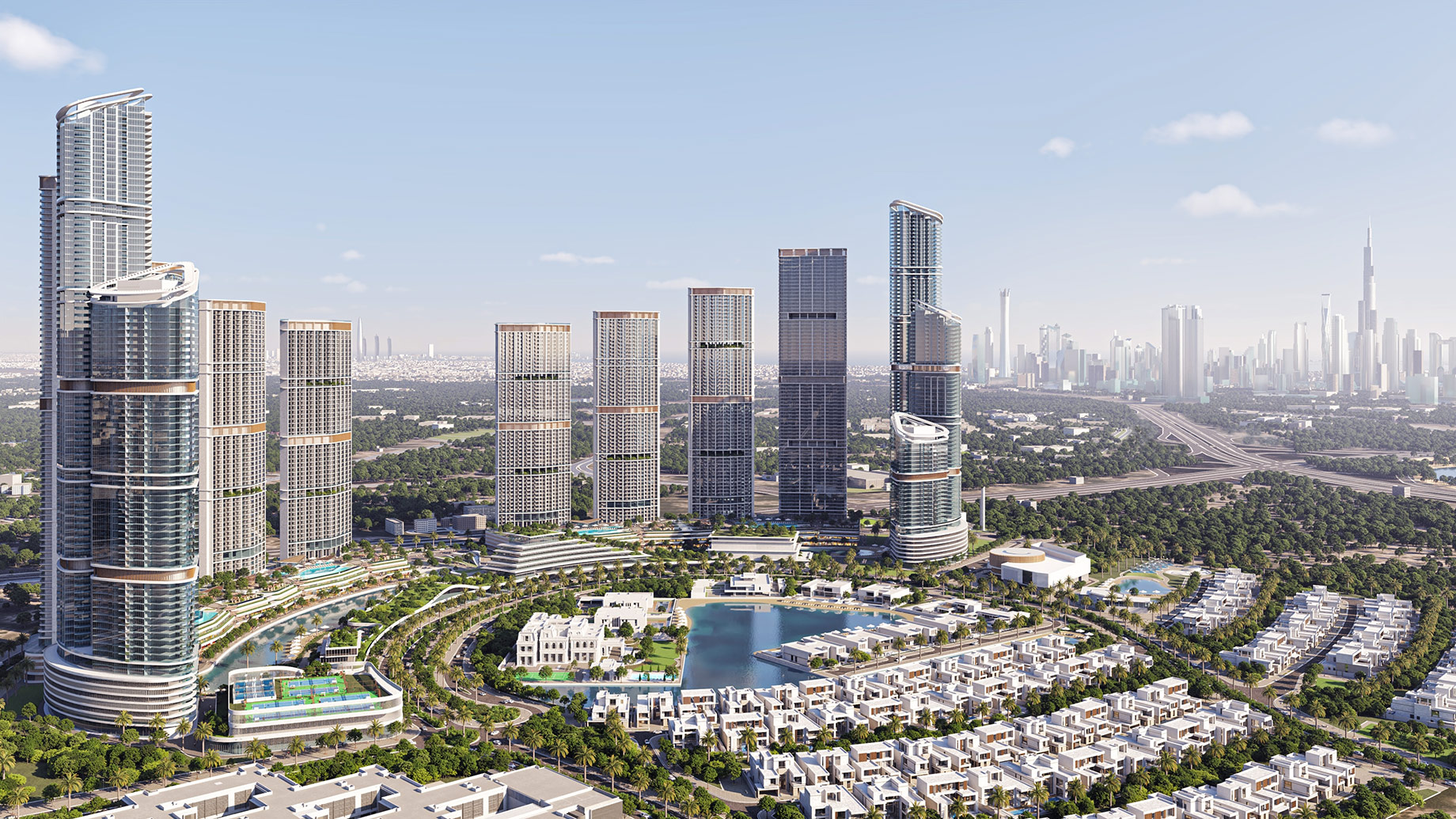
Dubai has developed into one of the world’s most closely watched property markets. Modern residential communities, expanding infrastructure, attractive rental opportunities and a wide choice of apartments and villas continue to draw buyers from Europe and other parts of the world. However, purchasing a home in Dubai is not simply a matter of choosing an appealing property and agreeing on a price.
Anyone exploring Dubai real estate should compare more than the headline purchase price. Location, developer reputation, annual service charges, handover dates, building quality and the difference between completed and off-plan property can all affect the long-term value of a purchase. A careful comparison of several developments is therefore essential before making a commitment.
Define the Purpose of the Purchase
The first step is to decide how the property will be used. A buyer looking for a permanent or seasonal home will usually focus on lifestyle factors such as proximity to work, schools, beaches, shopping centres and public transport.
An investor may have different priorities. Rental demand, expected occupancy, annual running costs and the future development of the surrounding area are often more important than personal preferences. A waterfront apartment may offer a prestigious address, while a well-connected property in a growing residential district may provide a more attractive balance between purchase price and rental potential.
Setting a clear objective at the beginning makes it easier to reject properties that look impressive but do not support the buyer’s actual plans.
Calculate the Full Cost, Not Only the Asking Price
The advertised price is only one part of the total budget. Buyers should also allow for registration costs, agency fees, administrative expenses, mortgage-related charges where applicable and the ongoing cost of owning the property.
Most apartment buildings and managed communities charge an annual service fee. This contributes to the maintenance of common areas, security, swimming pools, gyms, landscaping, lifts and other shared facilities. These charges can differ considerably between buildings, even when the properties have similar purchase prices.
Before reserving a home, the buyer should ask for a clear breakdown of all expected costs. This provides a more realistic picture of affordability and makes different properties easier to compare.
Choose the Area Carefully
Dubai is made up of residential districts with very different characteristics. Some areas are known for luxury waterfront living, while others offer family-oriented communities, high-rise city apartments or properties close to business districts.
The right location depends on the buyer’s goal. Someone planning to live in the property may value schools, walkability and everyday services. An investor may concentrate on transport links, tourism, employment centres and the supply of competing rental homes.
Future construction should also be considered. A neighbourhood that currently feels quiet may change significantly when new residential towers, roads or commercial developments are completed. Buyers should therefore evaluate both the present environment and the wider development plan for the district.
Understand Freehold Ownership
Foreign buyers can purchase property with full ownership rights in designated freehold areas. Many of Dubai’s best-known residential communities fall within these zones, but the legal status of the individual property should always be confirmed before signing a contract.
The buyer should also verify the identity and authority of the seller or developer, check the property documentation and make sure there are no unresolved liabilities that could delay the transfer. In a resale transaction, it is particularly important to confirm that the seller is the registered owner and that any outstanding mortgage or service-charge balance will be settled correctly.
Professional guidance can be valuable, especially for buyers who are unfamiliar with local procedures or are completing the transaction from another country.
Completed Property or Off-Plan Development?
Completed properties allow buyers to inspect the actual home before purchase. They can assess the condition, layout, view, natural light, noise levels and quality of the building’s facilities. Once the transfer has been completed, the property can usually be occupied or prepared for rental relatively quickly.
Off-plan property is purchased before construction has finished. These developments often offer staged payment plans and may provide access to newer communities at an earlier phase. However, the buyer is making a decision based largely on plans, specifications, model units and the developer’s promises.
When considering an off-plan home, it is important to review the developer’s previous projects, the proposed completion date, the payment schedule and the terms dealing with delays or changes. The quality of the developer and the clarity of the contract are at least as important as the design of the property.
Review the Reservation and Contract Terms
The reservation stage should never be treated as a formality. The document should clearly identify the property, purchase price, deposit, payment deadlines and the consequences of cancellation.
For resale homes, the buyer and seller usually enter into a formal sale agreement before the required approvals and transfer documents are completed. The transaction is only fully concluded when ownership has been officially transferred and the new title document has been issued.
Anyone considering buying property in Dubai should understand each stage before paying a deposit. Contract terms, refund conditions and payment obligations need to be clear in advance, particularly when the buyer is purchasing remotely.
Arrange Financing Early
Buyers who intend to use a mortgage should explore financing before making an offer. Early bank assessment can help establish the realistic budget and reduce the risk of reserving a property that later proves difficult to finance.
The loan amount may depend on the buyer’s residency status, income, existing commitments and the bank’s valuation of the property. The bank’s valuation may also differ from the asking price, so buyers should retain enough flexibility to cover any gap.
Cash buyers also need to plan the transfer of funds carefully and allow enough time for international payments, currency conversion and compliance checks.
Inspect the Property Before Handover
A detailed inspection is advisable when taking possession of a newly completed property. Doors, windows, flooring, walls, plumbing, electrical systems and air conditioning should all be checked. Any defects should be recorded and reported before final acceptance whenever possible.
After handover, the owner will normally need to arrange utilities, register with the building or community manager and organise insurance, furnishing or property management. Investors should also clarify the practical and financial requirements of renting out the home before calculating the expected return.
Make the Decision Based on Evidence
Dubai can offer appealing opportunities for international buyers, but a successful purchase depends on preparation rather than excitement. The strongest decisions are based on a clear purpose, realistic total budget, careful location comparison, verified documentation and a transparent contract.
Buyers who want to compare current listings can also use a trusted real estate portal to review different property types, locations and price levels before speaking with an agent or developer. Taking time to understand the market can make the difference between an attractive purchase and a property that genuinely supports the buyer’s long-term plans.
