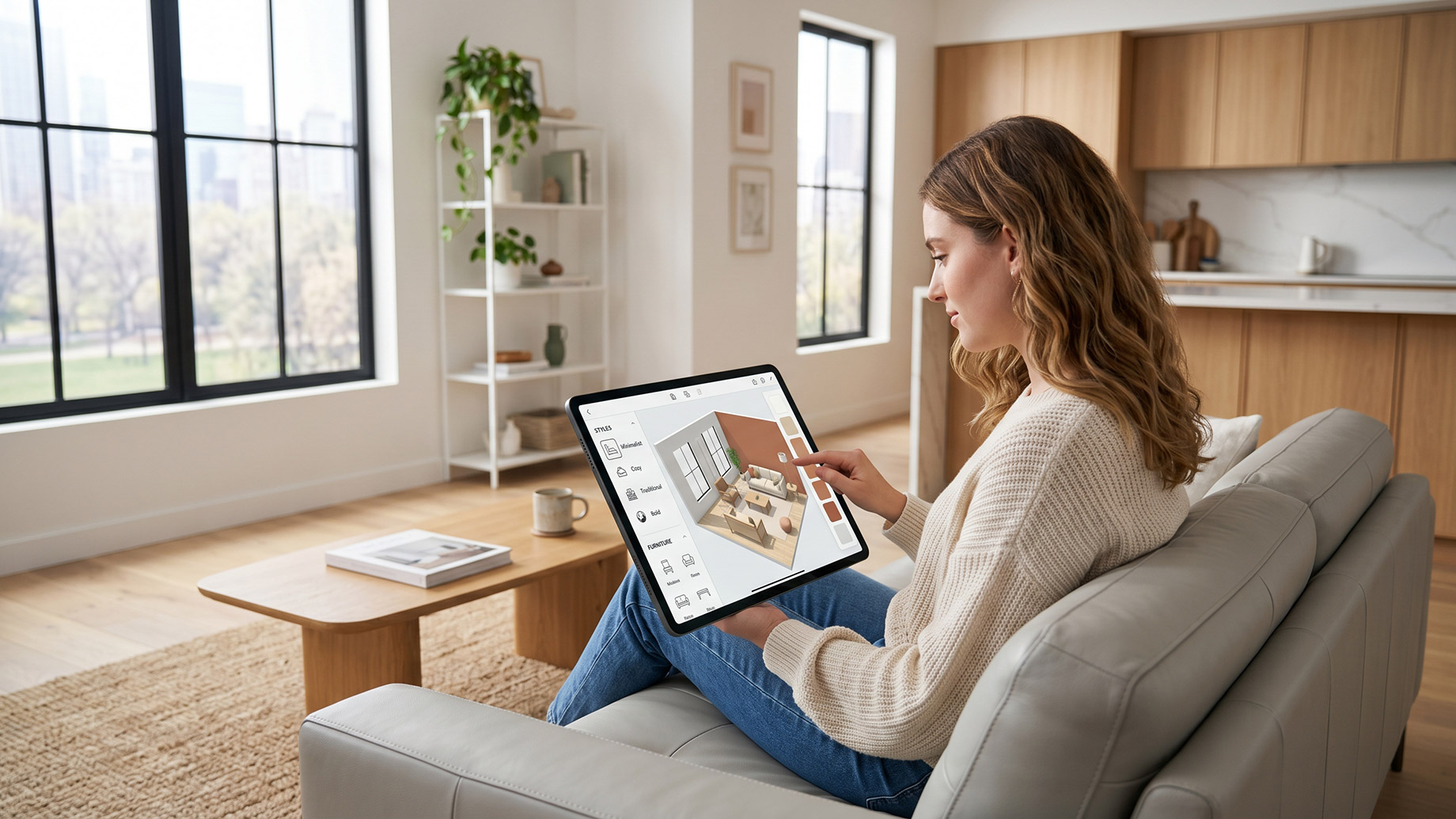
Moving Beyond Traditional Interior Design Methods
Interior design used to be a process that depended heavily on experience, manual planning, and long consultations. People had to imagine how a space would look after changes, which often led to confusion or uncertainty. Every decision from wall colors to furniture placement required careful consideration and sometimes costly revisions.
With the rise of AI interior design free tools and home design AI platforms, this process has become much simpler. Instead of relying only on imagination, users can now see real-time visual ideas generated instantly by AI. This removes much of the uncertainty and allows people to explore design ideas more confidently.
How AI Turns Simple Ideas into Room Designs
One of the most powerful aspects of home design AI is its ability to turn basic input into complete design concepts. Users don’t need technical knowledge or architectural skills. A simple description or photo of a room is enough for the system to begin working.
The AI analyzes the space and builds a layout based on practical logic. It considers proportions, available space, and usability. From there, it generates room designs that feel structured and realistic. This makes it easier for anyone to move from idea to visualization without complex planning steps.
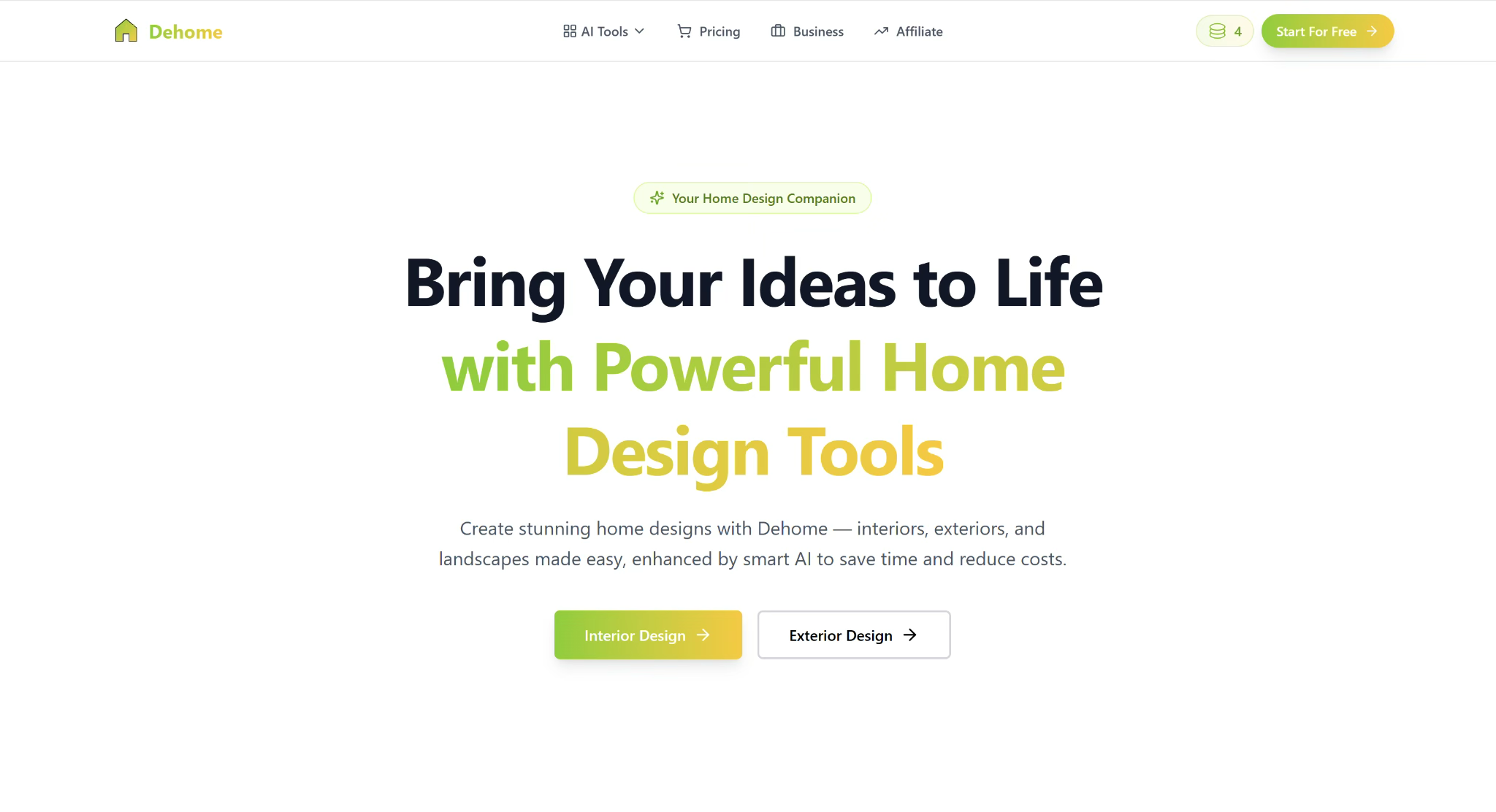
Understanding Space Through Intelligent Design Systems
AI does not randomly place furniture or colors. Instead, it studies how space functions. It looks at how people move within a room, how natural light affects different areas, and how objects interact with one another.
This understanding allows AI to create designs that feel balanced and natural. For example, it avoids overcrowding small spaces and ensures that open areas are used effectively. The result is a room that feels comfortable to live in rather than just visually appealing.
Exploring Unlimited Interior Styles in Seconds
One of the most exciting parts of AI interior design is the freedom to explore different styles instantly. Instead of spending hours researching or hiring professionals to test ideas, users can switch between styles in seconds.
A single room can be transformed into multiple looks:
- Minimalist and modern
- Warm and cozy
- Classic and traditional
- Bold and expressive
This ability to experiment helps users better understand their own preferences without pressure or commitment.
Real-Time Room Transformation with AI Tools
AI interior design free platforms allow users to see changes immediately. When a color, layout, or furniture style is adjusted, the system updates the design instantly.
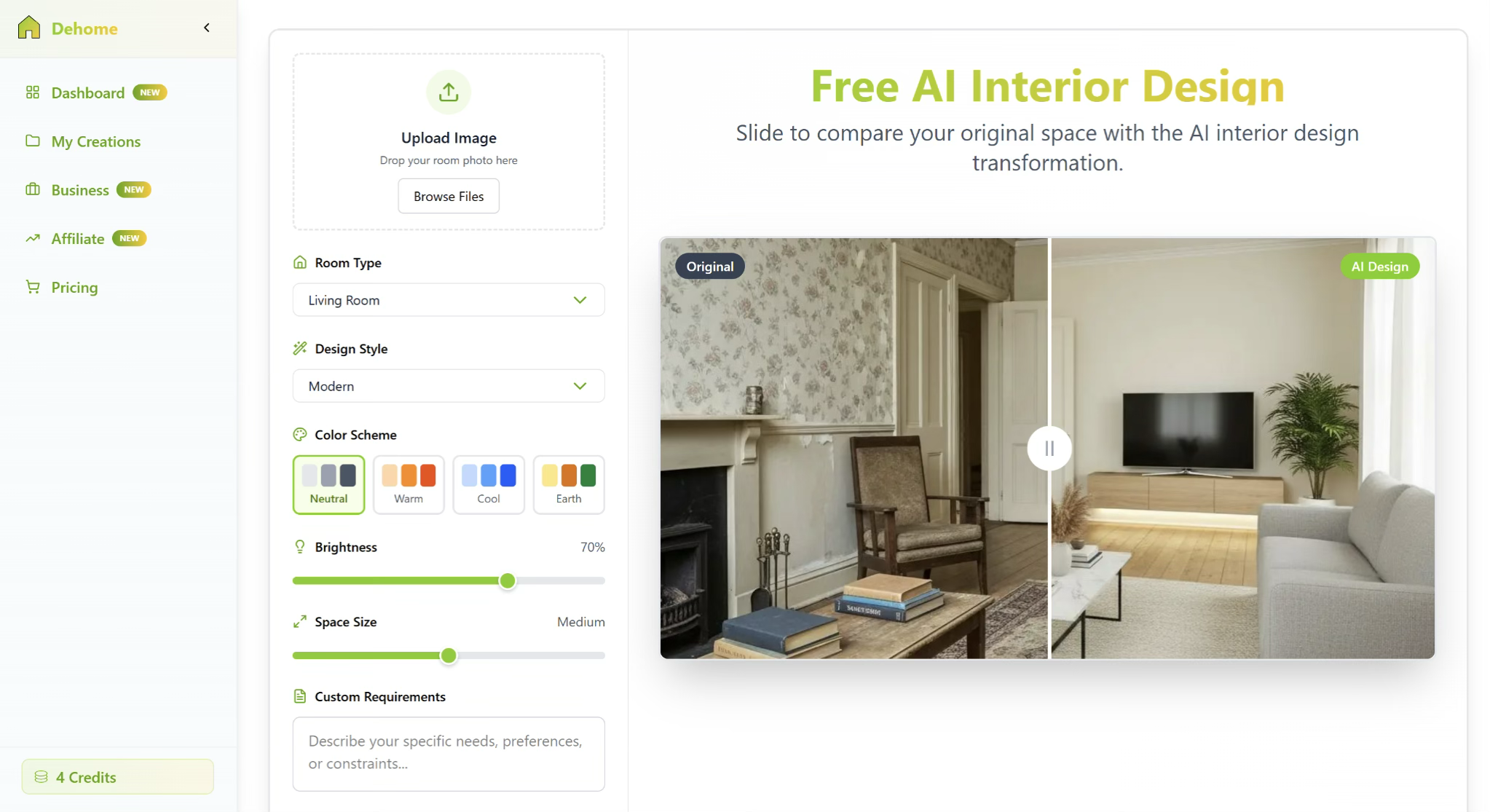
This real-time feedback is important because it makes the process interactive. Instead of waiting for revisions or drawings, users can explore different ideas on the spot. It feels more like working with a live design assistant rather than using a static tool.
Designing Entire Homes with a Connected Approach
Home design AI is not limited to single rooms. It can also handle entire home layouts by connecting different spaces together.
It considers how rooms relate to each other. For example, it ensures that kitchens flow naturally into dining areas, and bedrooms are placed in quieter zones. This creates a sense of unity throughout the home instead of disconnected individual rooms.
The result is a more cohesive living environment where everything feels intentionally placed.
How AI Improves Furniture Placement and Layout Flow
Furniture placement is one of the most challenging parts of interior design. A small mistake can make a room feel cramped or unbalanced. AI helps solve this by analyzing spatial flow and suggesting optimal arrangements.
It ensures that:
- Movement paths remain clear
- Furniture is scaled appropriately
- Empty and filled spaces are balanced
This leads to layouts that feel both practical and visually pleasing without requiring trial and error in real life.
Visualizing Spaces Before Making Any Changes
One of the biggest advantages of AI interior design is visualization. Instead of guessing how a change might look, users can see a realistic preview before making any physical adjustments.
This helps reduce mistakes and improves decision-making. Whether it’s choosing a paint color or redesigning an entire room, visualization provides clarity and confidence.
A More Creative and Flexible Design Experience
AI removes many limitations that exist in traditional design processes. There is no strict sequence or fixed approach. Users can start anywhere, change ideas freely, and revisit earlier designs without losing progress.
This flexibility encourages creativity. People are more willing to try new ideas because they know they can easily adjust or undo them.
Smarter Use of Space Through AI Suggestions
Space efficiency is a key part of good design. AI helps users make better use of available areas by suggesting improvements that might not be obvious at first.
It might recommend:
- Rearranging furniture for better flow
- Reducing unnecessary items in small spaces
- Creating functional zones within open areas
These suggestions help improve both comfort and usability.
Helping Users Make Faster and Clearer Design Decisions
Decision-making is often the most difficult part of design. With so many options available, it can be hard to choose the right one.
AI simplifies this by presenting clear visual comparisons. Instead of imagining outcomes, users can directly compare different designs side by side. This makes decisions faster and more confident.
Why AI Makes Interior Design More Accessible
In the past, interior design was often seen as something expensive or professional. AI has changed that perception.
Now, anyone can explore design ideas without needing technical skills or large budgets. Students, homeowners, renters, and even small business owners can use AI tools to improve their spaces.
This accessibility has opened the door for more people to engage in design in meaningful ways.
A New Era of Personalized Home Design
Every person has different tastes, needs, and lifestyles. AI helps reflect that individuality by adapting designs based on user preferences.
Over time, it learns what styles and layouts you prefer and begins to generate more personalized suggestions. This creates a more tailored experience that feels unique to each user.
The Future of AI in Interior and Home Design
The future of AI design tools is expected to become even more advanced. We may soon see features like:
- Fully immersive 3D walkthroughs
- Voice-based design commands
- Real-time cost estimation for renovations
- Smart integration with home devices
These developments will continue to make home design more interactive and realistic.
Final Thoughts
AI interior design free tools and home design AI platforms are transforming the way people approach living spaces. They simplify complex decisions, remove guesswork, and make design accessible to everyone.
Instead of relying solely on imagination or professional help, users can now explore ideas visually, adjust them instantly, and build confidence in their choices.
In the end, design is not just about appearance it is about creating spaces that feel right for the people who live in them. AI makes that process smoother, faster, and far more intuitive.
