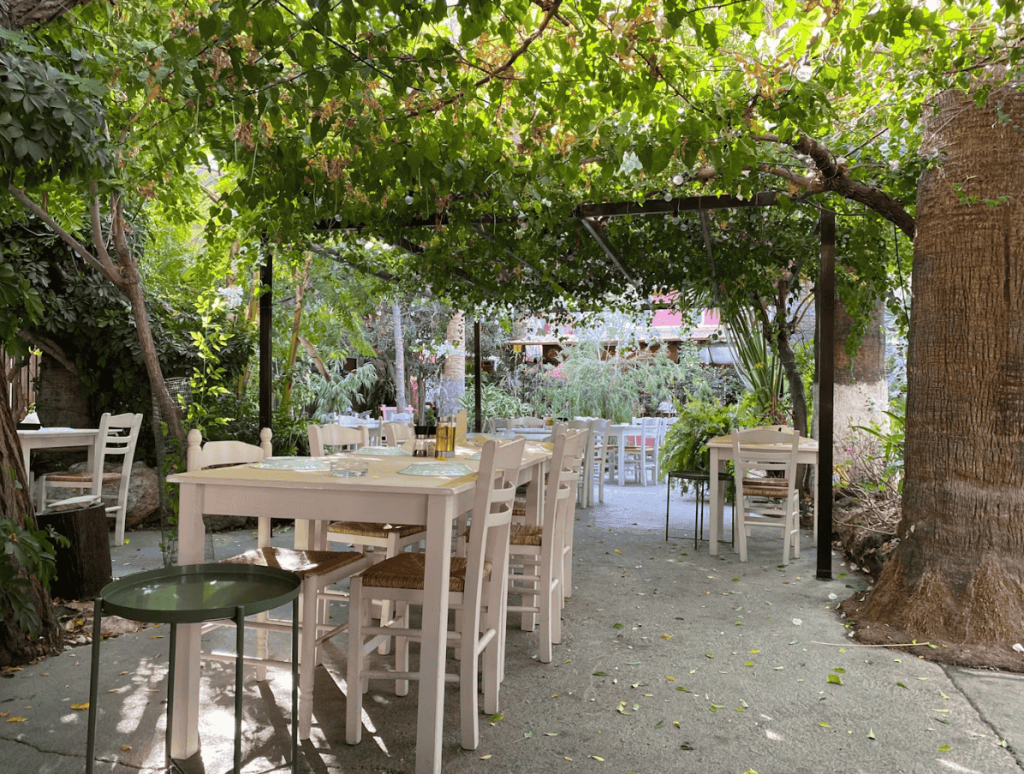
Empty square footage outside a commercial building represents a missed financial opportunity. Transforming bare concrete or grass into a functional dining space directly affects how a piece of real estate performs.
Investors look closely at square footage efficiency, and open-air seating provides a clear pathway to scale square footage returns. Maximizing square footage utility makes commercial properties far more attractive to top-tier tenants. Choosing to develop exterior spaces shifts a property from a static asset to a high-yielding, flexible destination.
The Visual Impact of Exterior Seating
Real estate values tie closely to visual appeal and immediate utility. Property managers often invest in durable park picnic tables to turn empty pathways into active spaces. This simple addition shifts how people perceive an entire property layout. Passersby immediately recognize a functional environment where they can pause, rest, or enjoy a meal.
Attractive setups draw foot traffic without requiring massive structural overhauls. Empty alcoves become pocket parks, and bare sidewalks become profitable extensions of a restaurant layout. These improvements generate a welcoming curb appeal that commands premium lease rates. Landlords secure better leverage during lease renewals when the premises offer clear customer gathering zones.
Measuring the Actual Economic Return
Adding open-air seating drives measurable financial gains for retail and dining corridors. A California research archive noted that commercial corridors featuring al fresco dining setups generated a massive increase of $12 million in gross sales in 2022 compared to 2019. This surge in revenue directly proves that customers prefer businesses with outdoor options. Higher gross sales translate to stronger tenant retention and increased landlord profits.
When retail spaces generate more money, the underlying real estate becomes inherently more valuable. Appraisers calculate property value based on income potential, so a sustained jump in sales lifting land valuation follows naturally. Investors search for properties that hold proven revenue drivers. Outdoor seating acts as a low-risk upgrade that yields major dividends for commercial building owners.
Expanding Customer Capacity and Volume
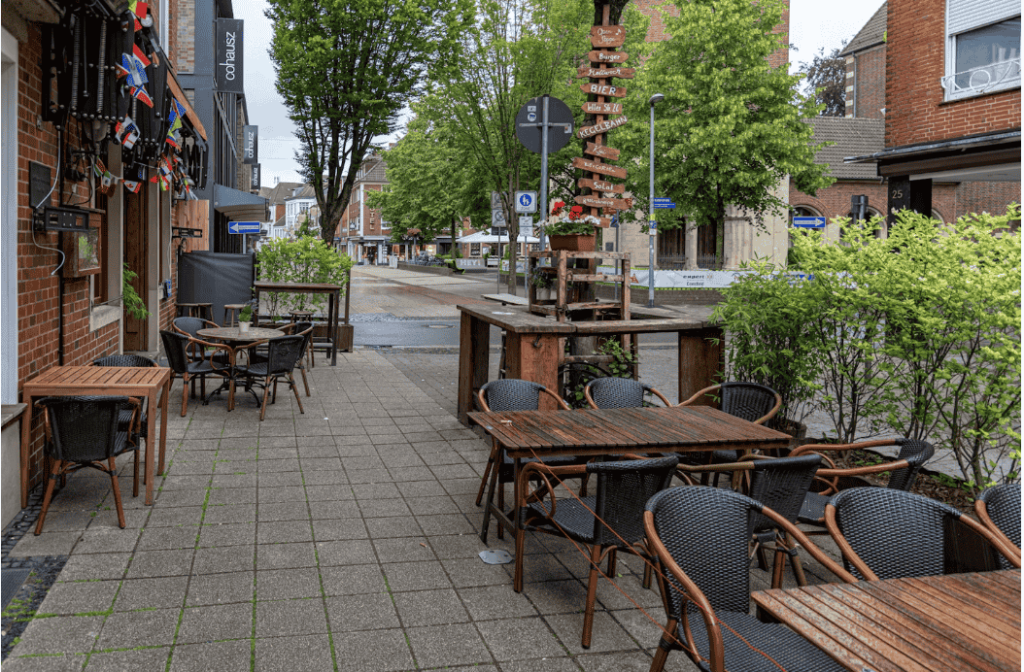
Physical boundaries limit restaurant growth, but utilizing the outdoors solves this constraint immediately. A food systems publication estimated the global foodservice industry at approximately $3.49 trillion in 2024, with projections climbing to $6.6 trillion by 2032. Securing a share of this expanding multi-trillion-dollar market requires businesses to maximize seating capacity.
- Extra seating allows establishments to serve more customers during peak hours without expanding building walls.
- Outdoor layouts lower indoor crowding, creating a more relaxed environment for guests and staff.
- Open-air setups serve as live advertising, drawing in curious pedestrian traffic from the street.
Increasing the table count means shorter wait times and higher table turnover rates. Restaurants can handle large weekend rushes without turning away paying guests. This operational flexibility protects margins during high-demand periods. A building capable of supporting high customer volumes commands much higher market demand.
Long-Term Permanence of Dining Structures
What started as a temporary fix has transformed into a permanent shift in urban design. An urban planning review revealed that even as pandemic restrictions lifted and demand for outdoor spaces shifted, street cafes and adaptive uses persisted, with many transforming into permanent structures. This durability shows that open-air dining is a lasting preference rather than a fleeting phase.
Property owners who build high-quality exterior seating create long-term assets. These structures withstand changing seasons and regular usage, adding steady value to the plot. Municipalities continue to update zoning laws to support these fixtures permanently. This regulatory support gives landlords the confidence to invest in premium outdoor assets.
Urban Accessibility and Remote Work Trends
Modern commercial hubs must accommodate changing work habits and consumer movements. An architectural study explained that many people choose to work in cafés located in city centers since these areas offer high accessibility. Remote workers and digital professionals seek spots where they can work comfortably under the open sky.
Meeting Laptop Culture Demands
Providing comfortable workspaces draws professionals who spend money throughout the day. These individuals require a robust infrastructure to maintain productivity and enjoy fresh air. Commercial hubs that cater to these specific requirements see higher weekday lease premiums.
- Accessible spaces provide external power access and strong wireless network coverage for laptop users.
- Spacious tables accommodate laptops, notebooks, and dining items simultaneously.
- Shaded seating zones protect screens from direct glare, making prolonged work sessions comfortable.
Catering to the remote work demographic extends a property’s utility beyond traditional meal times. Cafés and restaurants stay active during mid-morning and afternoon slumps. This steady usage pattern maintains consistent foot traffic for surrounding retail tenants. Landowners profit from a lively ecosystem that remains occupied throughout the entire day.
Seasonal Patron Behavior and Public Usability
The presence of functional outdoor furniture shapes how communities interact with retail areas. An international journal of sustainability showed that the availability of facilities like workout equipment, outdoor dining options, and well-designed walking routes lifts the functionality and usability of public spaces. Well-planned properties encourage people to linger longer, increasing their total spending.
Another study in an urban science periodical gathered data from 318 online survey respondents alongside 21 field observations during the summers of 2024 and 2025. The findings highlight how public habits revolve around comfortable outdoor installations during warm weather. Properties lacking these features lose patrons to nearby competitors who provide comfortable exterior areas.
Commercial Appeal and Broad Investment
Hospitality spaces anchor modern commercial developments and dictate real estate health. A business and hospitality study reported that the hospitality industry employs millions of people and invests a huge portion of the world economy across both five-star restaurants and fast-food chains. This immense economic footprint means that minor upgrades in dining real estate trigger large financial ripples.
Properties equipped for high-capacity dining capture the attention of institutional buyers and commercial syndicates. These investors look for turn-key spaces that require no immediate capital expenditures for expansion. Adding exterior seating areas helps a property stand out in a crowded commercial listing market. It provides a visible metric of a building’s capacity to evolve alongside market demands.
Acquiring properties with functional exterior spaces reduces the need for costly renovations later on. Savvy buyers recognize that outdoor spaces are reliable revenue generators from day one. This ongoing demand drives up capitalization rates and long-term asset worth.
Investing in high-quality outdoor seating is a direct way to boost commercial real estate value. Turning underutilized land into profitable dining zones increases gross receipts, draws consistent traffic, and secures long-term tenant stability. These improvements create an attractive environment that satisfies modern consumers’ desire for accessible, open-air spaces. Commercial property owners who prioritize these upgrades enjoy superior asset valuation and steady rental income.