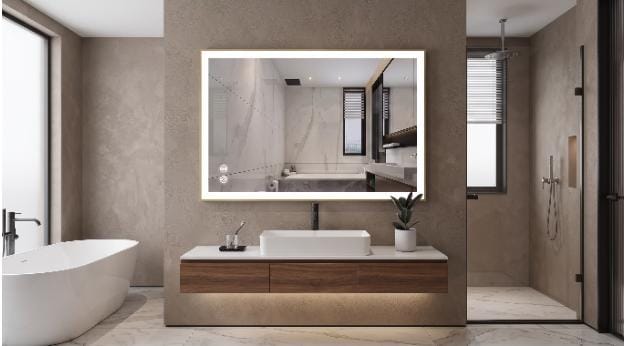
Bathroom mirrors have evolved far beyond their traditional role of reflecting your morning routine. Today’s homeowners increasingly expect mirrors to contribute to both functionality and interior design. One of the biggest innovations in recent years is integrated LED lighting, which offers consistent illumination while creating a clean, contemporary appearance. A rectangle bathroom mirror with LED backlight has become one of the most searched bathroom upgrades in the United States because it combines practical lighting with a sleek architectural look. Whether you’re remodeling a master bathroom, upgrading a guest bath, or designing a new home, understanding how LED backlit mirrors work can help you make a smarter long-term investment.
This guide explains everything you should know—from lighting technology and installation considerations to energy efficiency, maintenance, and choosing the right size for your space.
Why LED Bathroom Mirrors Have Become So Popular
Homeowners are placing greater emphasis on bathrooms that feel bright, comfortable, and spa-inspired. Traditional wall sconces or overhead fixtures often create shadows on the face, making grooming tasks more difficult. Integrated LED mirrors solve this problem by distributing light more evenly.
Unlike conventional mirrors, backlit models conceal the lighting behind the glass. Instead of exposing light bulbs, the illumination gently radiates around the mirror’s perimeter, producing a soft halo effect that enhances both visibility and ambience.
This combination of practical lighting and minimalist styling explains why designers frequently include LED mirrors in contemporary, transitional, and luxury bathroom renovations.
How LED Backlighting Works
Rather than placing light fixtures on the front of the mirror, manufacturers install waterproof LED strips behind the glass.
The light reflects against the wall before diffusing outward around the mirror’s edges. This indirect lighting reduces harsh glare while creating a balanced visual effect throughout the bathroom.
Most modern mirrors use long-lasting LED diodes that consume significantly less electricity than incandescent or fluorescent lighting. Many models are also designed with moisture-resistant electrical components suitable for humid bathroom environments.
Benefits of Choosing a Backlit Bathroom Mirror
The appeal of LED mirrors goes well beyond aesthetics. Their popularity is largely driven by practical everyday advantages.
More Even Facial Lighting
Poor bathroom lighting often casts shadows beneath the eyes, nose, and chin. Backlit illumination produces a more balanced light source, making daily routines like shaving, skincare, and makeup application much easier. Natural-looking illumination also reduces eye strain compared to overly bright ceiling fixtures.
Modern Minimalist Appearance
LED mirrors eliminate bulky vanity lights, creating cleaner wall lines and a more contemporary appearance. Because the lighting is integrated into the mirror itself, bathrooms often appear larger, brighter, and less cluttered.
Energy Efficiency
LED technology is known for its impressive efficiency. Compared with traditional bulbs, LEDs:
- Consume substantially less electricity
- Produce minimal heat
- Last tens of thousands of hours
- Require less frequent replacement
Over many years of use, this can contribute to lower energy consumption while reducing maintenance.
Improved Bathroom Ambience
The halo effect created by rear lighting produces a softer atmosphere than direct overhead lighting. Many homeowners appreciate this subtle illumination during evening routines when brighter lighting may feel uncomfortable.
Understanding Color Temperature
One of the most overlooked factors when selecting an LED mirror is color temperature. Lighting color is measured using Kelvin (K).
Warm White (2700K–3000K)
Warm lighting creates a cozy atmosphere with slightly yellow tones. It works well in traditional bathrooms where relaxation is the priority.
Neutral White (3500K–4000K)
Neutral white closely resembles balanced indoor lighting and is popular for everyday family bathrooms.
Daylight White (5000K–6500K)
Cool daylight illumination provides excellent visibility for grooming tasks and closely resembles natural daylight.
Many premium LED mirrors now include adjustable color temperature, allowing users to switch between warm, neutral, and cool settings depending on the time of day.
Important Features Worth Considering
Today’s LED mirrors include far more than simple lighting. Popular features include:
- Adjustable brightness controls
- Touch-sensitive switches
- Anti-fog heating pads
- Memory lighting settings
- Motion sensors
- Built-in digital clocks
- Bluetooth speakers
- Dimmable LED lighting
- Waterproof electrical components
- Smart home compatibility
Not every household needs every feature, but understanding the available options helps prioritize the ones that offer genuine everyday value.
Choosing the Right Mirror Size
Selecting the correct dimensions is just as important as choosing lighting features. In most bathrooms, the mirror should remain proportionate to the vanity beneath it. As a general guideline:
- A 24-inch vanity often pairs with a 20–24-inch mirror.
- A 36-inch vanity typically works well with a 30–36-inch mirror.
- A 48-inch vanity usually accommodates a 42–48-inch mirror.
- Double vanities often use either two individual mirrors or one oversized mirror spanning both sinks.
Height also matters. A taller mirror provides greater visibility while helping make smaller bathrooms feel more spacious.
Framed vs. Frameless LED Mirrors
Both options remain popular across American homes.
Frameless Mirrors
Frameless mirrors emphasize simplicity and clean lines. Their uninterrupted glass surface complements modern, Scandinavian, and minimalist interiors. They also tend to reflect more light throughout the room.
Framed Mirrors
Framed LED mirrors introduce additional character and can coordinate with faucets, cabinetry, or hardware finishes. Common frame materials include:
- Aluminum
- Stainless steel
- Matte black metal
- Brushed brass
- Wood composites
Backlit vs. Front-Lit Mirrors
Many homeowners confuse these two technologies. Backlit mirrors position LEDs behind the mirror, creating a soft halo effect that emphasizes ambience and indirect illumination.
Front-lit mirrors place LEDs around the front edge, directing light toward the user’s face. These generally provide stronger task lighting.
Some premium models combine both technologies, delivering excellent visibility while maintaining an elegant glow.
Installation Considerations
Installing an LED mirror involves more planning than hanging a standard wall mirror. Depending on the design, installation may require:
- Access to an electrical junction box
- Wall anchors appropriate for the mirror’s weight
- Moisture-resistant wiring
- Proper grounding
- Compliance with local electrical codes
Many homeowners hire licensed electricians when hardwiring LED mirrors, particularly during bathroom renovations. Plug-in versions offer easier installation but may require thoughtful cable management to maintain a clean appearance.
Moisture Resistance and Bathroom Safety
Bathrooms experience high humidity, frequent temperature changes, and occasional water exposure. Quality LED mirrors are designed with these conditions in mind. Look for features such as:
- Moisture-resistant electrical housing
- Waterproof LED strips
- Corrosion-resistant aluminum backing
- Safety-backed mirror glass
- UL or ETL listed electrical components where applicable
These characteristics improve durability while supporting safe operation in wet environments.
Cleaning and Long-Term Maintenance
Fortunately, LED mirrors require very little maintenance. Routine cleaning involves wiping the glass with a microfiber cloth and a non-abrasive glass cleaner. Avoid spraying liquids directly onto electrical components or touch sensors. The LED strips themselves typically last many years before noticeable brightness reduction occurs, making replacement infrequent under normal household use.
Are LED Mirrors Worth the Investment?
While LED mirrors generally cost more than traditional bathroom mirrors, many homeowners view them as a worthwhile upgrade. The value comes from combining several functions into one product:
- Mirror
- Vanity lighting
- Decorative lighting
- Energy-efficient illumination
- Modern design element
For homeowners planning long-term renovations, integrated lighting may also reduce the need for additional wall fixtures, simplifying the overall bathroom design.
Current Bathroom Design Trends
Across the U.S., several trends continue influencing bathroom mirror selection. Large mirrors remain popular because they visually expand smaller bathrooms while reflecting more natural light.
Minimalist interiors increasingly favor frameless designs with hidden lighting, while smart home integration continues growing through touch controls, dimming functions, and adjustable lighting temperatures.
Designers are also specifying mirrors with integrated defoggers to improve convenience after hot showers.
These innovations reflect broader consumer preferences for products that combine technology with everyday usability rather than focusing solely on appearance.
Common Questions Before Buying
Many first-time buyers have similar concerns when researching LED bathroom mirrors.
One frequent question involves electricity usage. Fortunately, LED lighting is remarkably energy efficient and generally consumes far less power than older incandescent fixtures.
Another concern is longevity. Most quality LED systems are engineered to provide tens of thousands of hours of illumination, meaning many homeowners can expect years of reliable performance under normal daily use.
People also ask whether integrated LEDs are difficult to replace. Because lighting systems are built into the mirror, replacement procedures vary by manufacturer. However, the long operating life of modern LEDs means replacement is rarely needed during the mirror’s expected lifespan.
Finally, many homeowners wonder whether these mirrors work in smaller bathrooms. In fact, their slim profile and indirect illumination often make compact bathrooms feel larger and brighter.
Final Thoughts
A rectangle bathroom mirror with LED backlight represents far more than a decorative accessory. It combines efficient lighting, thoughtful engineering, and contemporary design into a single fixture that enhances both functionality and visual appeal.
Understanding factors such as color temperature, sizing, installation requirements, moisture resistance, and lighting performance allows homeowners to make informed decisions that suit their space and daily routine. As bathroom design continues to emphasize comfort, efficiency, and simplicity, LED backlit mirrors are likely to remain a popular choice for modern homes.