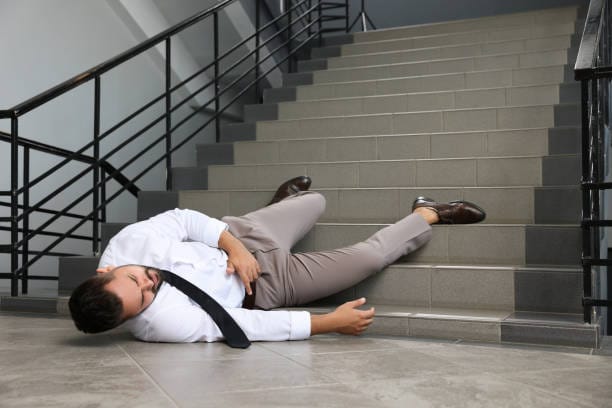
Falling might seem like just falling, but not all falls happen the same way. Some people slip, while others trip, and believe it or not, those two types of accidents are very different.
Knowing the difference between slip & fall and trip & fall accidents helps in describing what happened, staying safe, and even making sense of who is responsible if someone gets hurt.
What Is a Slip and Fall?
A slip and fall occurs when your foot slides out from under you because the surface you are walking on is too slippery. In other words, think of it like walking on ice. When your shoe cannot grip the ground, your feet go forward, and your body falls backward.
Some common things that cause slips include:
● Wet floors, such as those with water or cleaning solutions
● Greasy or oily surfaces, such as those in a restaurant kitchen
● Freshly waxed floors
● Ice, snow, or rainwater on sidewalks
● Smooth floors with no grip
Most people, upon slipping, fall and land on their backs, elbows, or heads. Possible injuries in slip-and-fall cases include:
● Head bumps or concussions
● Back or neck pain
● Broken wrists or elbows
What Is a Trip Fall?
A trip and fall occurs when your foot hits something and stops abruptly, but your body keeps going forward. Visualize yourself walking and tripping over an uneven sidewalk or a loose wire. You lose your balance and fall forward.
Trips usually happen because something is in your way or on the floor that shouldn’t be there. Some common causes are:
● Uneven sidewalks or cracked pavement
● Cords, hoses, or clutter in walkways
● Loose rugs or mats
● Objects on the floor, such as toys or tools
● Poor lighting makes it hard to see hazards
Because most tripping incidents result in forward falls, common injuries arising from tripping include:
● Scraped knees or hands
● Broken noses or teeth
● Shoulder or arm injury
● Sprained ankles or twisted legs
Why Does the Difference Matter?
You may ask yourself, does it matter how someone fell? Actually, yes, it does, very much so. Particularly when medical professionals, safety experts, and lawyers are trying to ascertain what went wrong.
Different Causes Mean Different Fixes
If people keep slipping, it might mean the floor is too smooth or needs cleaning signs when it’s wet. However, if they keep tripping, maybe there is clutter or bad lighting, or the flooring is uneven and needs repair. Knowing which one happened helps prevent it from happening again.
It Helps to Find Who Is Liable
In public places like stores, schools, or offices, the owners are responsible for maintaining safe walkways. If you slipped, perhaps somebody had forgotten to clean up a spill or hadn’t warned of a wet floor.
If you tripped, maybe the walkway was uneven or an object was left where people walk. The kind of fall helps show whether the accident was due to carelessness, bad maintenance, or just bad luck.
It Helps Doctors Understand Injuries
How you fall determines what type of injury you may experience. Physicians can determine by the direction in which you fall, forward or backward, which parts of your body to look at for damage.
Staying Safe
Here are some simple ways to avoid both slips and trips:
● Watch where you walk. Don’t rush or look down at your phone.
● Wear shoes with a good grip. Smooth soles are more likely to slip.
● The spill should be cleaned up immediately. Even water is hazardous.
● Keep walkways clear. Do not leave cords, bags, or boxes where people walk.
● Turn on the lights. Good lighting helps you see hazards before they trip you.
Conclusion
Knowing the difference helps everyone, from lawyers to safety officers, understand what went wrong and how to fix it.
● A slip and fall is when your foot loses its grip, and most often, you fall backward.
● A trip and fall is when your foot catches or hits something and you fall forward.