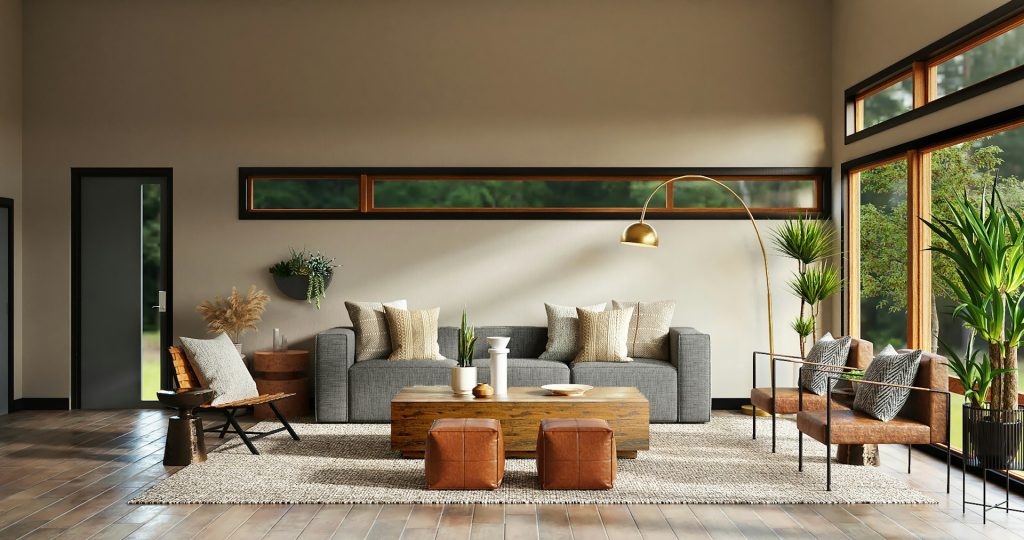
Designing a home is one of the most personal and detailed projects a homeowner can take on. Whether it involves building a new custom home, remodeling an outdated space, or transforming a property to better fit a family’s lifestyle, the process requires much more than choosing finishes and reviewing floor plans. A successful project depends on a clear path from the earliest idea to the final walkthrough. That is why the concept to completion home design process is so valuable. It gives homeowners a guided, organized experience that connects vision, planning, design, construction, and finishing details into one complete journey.
Instead of handling each stage separately, this process brings everything together. It helps homeowners make smart decisions, understand what to expect, and reduce confusion along the way. From the first conversation about goals to the moment the finished space is ready to enjoy, each step plays an important role.
Understanding the Homeowner’s Vision
The first stage of the concept to completion home design process begins with discovery. This is where the design team learns what the homeowner wants, needs, and hopes to achieve. It may start with a conversation about lifestyle, family routines, design preferences, budget, timeline, and long-term goals.
This step is about more than style. A good design team wants to understand how the home should function every day. For example, a family with young children may need durable materials, open gathering spaces, and smart storage. A homeowner who loves to entertain may want a larger kitchen, outdoor living area, guest suite, or better flow between rooms.
During this stage, the team may ask about:
- Preferred architectural styles
- Must-have rooms or features
- Current problems with the home
- Storage needs
- Entertaining habits
- Work-from-home requirements
- Outdoor living goals
- Accessibility or aging-in-place needs
- Budget expectations
- Desired timeline
The clearer the vision is at the beginning, the easier it is to create a plan that feels personal, practical, and realistic.
Evaluating the Property or Existing Space
Once the vision is clear, the design team studies the property or current home. For a new build, this may involve reviewing the lot, views, slope, sun exposure, drainage, zoning limitations, and available utilities. For a remodel, it may include measuring rooms, reviewing the existing layout, identifying structural elements, and noting issues that could affect the project.
This evaluation helps determine what is possible. A homeowner may have a wish list, but the property itself often shapes the final plan. For example, the location of load-bearing walls may affect a remodel. Lot setbacks may influence the footprint of a new home. Sunlight may guide window placement. Drainage may affect outdoor living areas.
A thorough evaluation helps avoid surprises later. It also allows the design team to create solutions that work with the site instead of against it.
Developing the Initial Design Concept
After gathering information, the team begins creating the initial design concept. This is where ideas start to take shape. The concept may include sketches, mood boards, space planning ideas, inspiration images, preliminary layouts, and early design recommendations.
At this stage, the goal is not to finalize every detail. Instead, the team creates a general direction that reflects the homeowner’s goals. The concept should answer key questions such as:
- How should the space feel?
- How should people move through the home?
- Which rooms should connect?
- What architectural style fits the homeowner?
- What features should be prioritized?
- What design elements support the budget?
The initial concept helps everyone get aligned before moving into more detailed plans. It also gives homeowners a chance to react, ask questions, and refine the direction.
Creating Detailed Plans and Layouts
Once the concept is approved, the design becomes more technical. This stage turns broad ideas into detailed plans that can guide construction. Depending on the project, this may include floor plans, elevations, electrical layouts, cabinetry designs, lighting plans, plumbing locations, exterior details, and structural considerations.
This is one of the most important parts of the process because it connects creativity with buildability. A beautiful idea must also be functional, safe, code-compliant, and realistic within the budget.
Detailed plans may address:
- Room dimensions
- Door and window placement
- Cabinetry and built-ins
- Appliance locations
- Lighting placement
- Ceiling details
- Flooring transitions
- Plumbing fixture locations
- Exterior materials
- Stair layouts
- Storage solutions
These plans give builders, contractors, and tradespeople the information they need to execute the project correctly. They also help homeowners visualize the finished result before construction begins.
Selecting Materials, Finishes, and Fixtures
The design process also includes selecting the materials and finishes that bring the home to life. This can be one of the most exciting stages, but it can also feel overwhelming without guidance. There are countless choices for flooring, countertops, cabinets, hardware, paint, tile, lighting, plumbing fixtures, exterior materials, and more.
A design team helps narrow the options based on the homeowner’s style, budget, maintenance preferences, and project goals. Instead of making random selections, each choice is considered as part of the overall design.
Common selections include:
- Flooring
- Cabinetry
- Countertops
- Backsplash tile
- Shower tile
- Paint colors
- Light fixtures
- Plumbing fixtures
- Door hardware
- Exterior siding or stone
- Roofing materials
- Trim and molding
- Appliances
This stage helps create a cohesive look throughout the home. It also helps prevent delays because materials can be ordered and scheduled before they are needed.
Budgeting and Project Planning
A strong concept to completion home design process includes ongoing budget awareness. Homeowners need to understand how design choices affect cost. The design team and builder may work together to estimate materials, labor, project scope, and possible contingencies.
Budget planning helps homeowners prioritize. Some may choose to invest more in the kitchen, primary suite, or outdoor living area. Others may focus on energy efficiency, storage, or long-lasting materials. The goal is to make informed choices instead of discovering late in the process that the design is over budget.
Project planning may also include timelines, construction phases, permit requirements, ordering schedules, and trade coordination. This helps reduce confusion and gives homeowners a clearer sense of what will happen next.
Securing Permits and Approvals
Before construction can begin, many projects require permits or approvals. This depends on the location and scope of the work. New homes, additions, structural changes, electrical updates, plumbing work, and major remodels often require approval from local building departments.
The design and construction team may prepare documents, submit plans, respond to review comments, and coordinate inspections. Permits are important because they help ensure the project meets local codes and safety standards.
This step may not be the most exciting part of the process, but it protects the homeowner. Proper approvals can help prevent fines, delays, insurance problems, or issues when selling the home later.
Moving Into Construction
Once plans, selections, budgets, and permits are in place, the project moves into construction. This is when the design begins becoming reality. Depending on the project, construction may involve demolition, site preparation, foundation work, framing, rough plumbing, electrical, HVAC, insulation, drywall, flooring, cabinetry, tile, paint, fixtures, and final finishes.
During construction, communication is essential. The team coordinates trades, monitors progress, reviews details, solves issues, and keeps the homeowner informed. Even with careful planning, questions may come up in the field. A good concept to completion process allows the design and construction teams to work together quickly when decisions are needed.
FAQ
How long does the concept to completion home design process take?
The timeline depends on the size and complexity of the project. A smaller remodel may take a few months, while a custom home can take a year or more from early planning to final completion.
Is the design process only for custom homes?
No. This process can be used for new homes, remodels, additions, kitchens, bathrooms, outdoor spaces, and whole-home renovations.
Do I need to know exactly what I want before starting?
No. Many homeowners begin with general ideas. The design team helps clarify goals, explore options, and turn those ideas into a workable plan.
Can the design be changed during the process?
Yes, but changes are easier and less expensive during the design stage than during construction. Once building begins, changes may affect the budget and timeline.
Who manages the construction phase?
This depends on the company and project structure. Some design-build teams manage both design and construction, while others coordinate with builders, contractors, and trades.
Why is budgeting part of the design process?
Budgeting helps keep the project realistic. It allows homeowners to understand the cost impact of materials, features, layout decisions, and project scope before construction begins.
Completing the Final Details
The final stage of the concept to completion home design process focuses on finishing touches, inspections, walkthroughs, and project completion. This is when small details are reviewed to make sure the finished home matches the plans and expectations.
The team may create a punch list of final items, such as paint touch-ups, hardware adjustments, fixture checks, cabinet alignment, or cleanup details. Final inspections may also be completed to confirm that the project meets required standards.
Once everything is finished, the homeowner can walk through the space, ask questions, and learn how to care for new materials, systems, and finishes. This final handoff is an important part of the process because it gives the homeowner confidence in the completed project.
A well-managed concept to completion home design process makes the experience more organized, more efficient, and less stressful. It connects every stage, from the first idea to the final reveal, so homeowners are not left trying to manage design, planning, budgeting, permits, construction, and finishing details on their own.
The result is more than a finished home. It is a space that reflects the homeowner’s needs, lifestyle, and vision, built through a process designed to bring clarity from beginning to end.