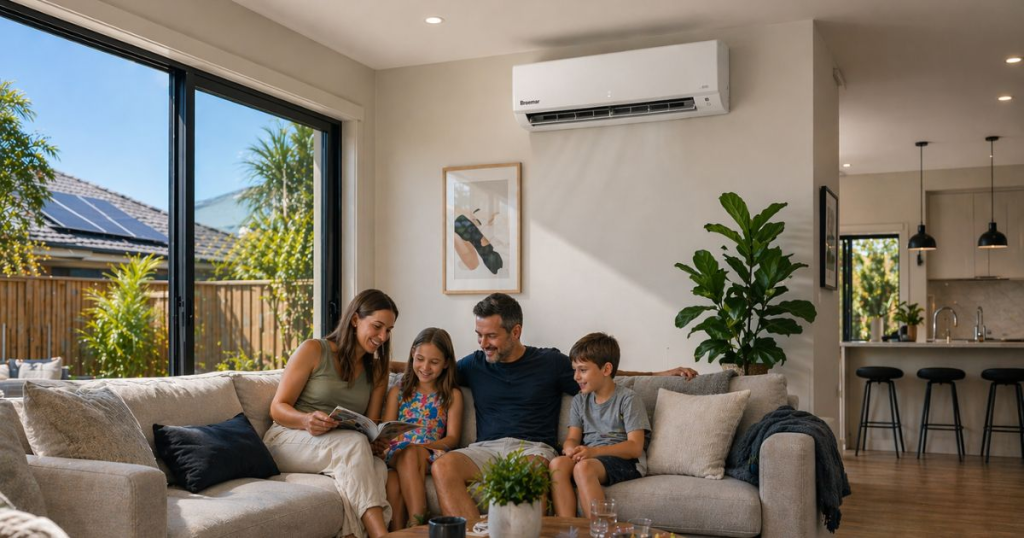
Keeping a home cool is not always as simple as buying one fan or portable air conditioner and hoping it works everywhere. Different rooms heat up in different ways. A small bedroom, a loft room, a sunny home office and an open-plan kitchen can all need different cooling solutions.
The right system depends on how the room is used, how much heat it gains during the day, how quiet it needs to be and whether the cooling is for occasional use or regular comfort. Thinking about each room separately helps homeowners make better decisions and avoid buying equipment that does not properly solve the problem.
Start with How the Room Is Used
The first question is how the room is used day to day. A bedroom needs to stay cool and quiet overnight. A home office needs a comfortable temperature during working hours. A living room may need cooling in the evening, while a kitchen may need extra support when cooking adds heat.
Usage affects the type of system that makes sense. A noisy portable unit might be acceptable in a room used for short periods, but it may be frustrating in a bedroom. A fan might help in a mild living room, but it may not be enough in a loft room that holds heat late into the night.
Cooling should be matched to real routines, not just the size of the room.
Bedrooms Need Quiet, Consistent Cooling
Bedrooms are one of the most common areas where homeowners struggle during summer. If the room stays hot at night, sleep can suffer. This can affect mood, energy and concentration the next day.
For bedrooms, noise level matters almost as much as cooling power. A system that cools the room but keeps people awake is not a good solution. Portable air conditioners can help, but they often place the compressor inside the room, which can make them louder than fixed systems.
A good bedroom cooling setup should be quiet, reliable and able to maintain a steady temperature through the night.
Loft Rooms Can Be More Difficult to Cool
Loft rooms often become much warmer than other parts of the house. They sit directly under the roof, which can absorb heat throughout the day and release it into the room later.
Insulation, roof windows, ventilation and room size all affect how hot a loft room becomes. A fan may move air around, but if the room itself is holding heat, airflow alone may not be enough.
For loft bedrooms, home offices or converted spaces, it is worth thinking carefully about long-term cooling rather than relying on temporary fixes every summer.
Home Offices Need Daytime Comfort
Many people now work from home, and a hot office can make it difficult to concentrate. Laptops, monitors, printers and other equipment can also add heat to the room.
A home office may need cooling during the hottest part of the day, especially if it has large windows or faces the sun. The system should be comfortable enough for long periods and quiet enough for calls or focused work.
It is also worth considering where the unit or fan will sit. Cooling equipment that blows directly onto a desk may become uncomfortable, while poor placement may leave the room feeling uneven.
Open-Plan Spaces Need More Careful Planning
Open-plan kitchens, dining rooms and living areas can be harder to cool because they are larger and used in different ways. Cooking, sunlight, appliances and multiple occupants can all increase the temperature.
A small portable unit may struggle in a large open-plan space. Fans may help with airflow but will not reduce the air temperature. In these rooms, proper sizing and placement are important.
The cooling system needs to suit the full volume of the space, not just one corner. If the room has bi-fold doors, roof lanterns or large windows, heat gain should also be considered.
Think About Sunlight and Insulation
The same size room can need very different cooling depending on its position and construction. A north-facing bedroom may stay relatively comfortable, while a south-facing room with large windows may overheat quickly.
Insulation also matters. Good insulation can help reduce heat entering from the roof or walls, but it can also trap heat inside if ventilation is poor. Shading, blinds, curtains and reflective window treatments can help reduce heat gain before it becomes a problem.
Cooling works best when combined with sensible heat control measures.
Fans, Portable AC and Fixed Systems
There are several ways to cool a room, and each has its place.
Fans are affordable and easy to move, but they do not actually lower the air temperature. They simply move air around, which can make people feel cooler.
Portable air conditioners can reduce room temperature, but they usually need a hose vented through a window and can be noisy. They may suit occasional use or rented homes where permanent installation is not possible.
Fixed wall-mounted systems are a more long-term solution. They are usually quieter, more efficient and better suited to regular cooling. Homeowners comparing options may find it useful to review the best wall-mounted air conditioning units before deciding which type of system suits their rooms.
Installation Quality Matters
Even a good cooling system can perform badly if it is installed in the wrong place or sized incorrectly. A unit that is too small may run constantly without cooling the room properly. A unit that is too large may cycle on and off too quickly.
Placement also affects comfort. The system should cool the room evenly without blowing directly at people for long periods. It should also be installed where airflow is not blocked by furniture, curtains or awkward room layouts.
A proper assessment helps make sure the system is matched to the room.
Final Thoughts
Different rooms need different cooling strategies. Bedrooms need quiet comfort, loft rooms need stronger heat control, home offices need daytime reliability, and open-plan spaces need careful sizing.
The best cooling choice depends on room use, sunlight, insulation, noise tolerance and how often the system will be used. By thinking about each space individually, homeowners can choose a solution that improves comfort rather than simply adding another temporary fix.
A well-planned cooling system can make the home easier to live in during warmer weather and provide more consistent comfort throughout the summer.